


The Persona series is one of the most beloved Japanese role-playing game franchises of all time. Known for blending dungeon-crawling RPG mechanics with social simulation elements, Atlus' flagship series has spanned over two decades, multiple console generations, and numerous spin-offs across fighting, rhythm, and tactical genres.
While each numbered entry introduces a fresh cast of characters, a new setting, and standalone thematic conflicts, all mainline games and their canonical spin-offs share a single connected universe. Understanding how all these titles fit together chronologically can be confusing due to world resets, time loops, spin-off sequels, and memory wipes. This guide breaks down the complete Persona timeline in chronological order.
The Persona Universe Timeline Overview
Unlike many long-running franchises with branching realities, the Persona series mostly follows a linear timeline set in a modern alternate-universe Japan. It branches off from the broader Shin Megami Tensei multiverse through specific historical events.
| In-Universe Year | Game Title | Key Events & Context |
|---|---|---|
| 1995 | Shin Megami Tensei IF... | The alternate timeline split that branches away from apocalyptic demon events. |
| 1996 | Revelations: Persona | The SEBEC Incident in Mikage-cho; introduction of Philemon and Persona invocation. |
| 1999 | Persona 2: Innocent Sin | Rumors become reality in Sumaru City; world reset event at the climax. |
| 2000 | Persona 2: Eternal Punishment | Events take place in the "Other Side" reality following the world reset. |
| 2009 – 2010 | Persona 3 / Persona 3 Reload | The Dark Hour, Tartarus, SEES, and the Fall in Iwatodai. |
| 2011 – 2012 | Persona 4 / Persona 4 Golden | The Midnight Channel murders in Inaba. |
| May 2012 | Persona 4 Arena / Persona 4 Arena Ultimax | The P-1 Grand Prix; crossover featuring grown-up Persona 3 characters. |
| Autumn 2012 | Persona 4: Dancing All Night | Investigation Team tackles the Midnight Stage phenomenon. |
| 2016 – 2017 | Persona 5 / Persona 5 Royal | Phantom Thieves reform society through the Metaverse in Tokyo. |
| Winter 2017 | Persona 5 Tactica | Events occurring shortly before Phantom Thieves high school graduation. |
| Summer 2017 | Persona 5 Strikers | Summer road trip across Japan tackling Jail corruption. |
Origins: The Alternate SMT Timeline
Before entering the core games, the Persona universe branches from Shin Megami Tensei IF... and connects directly to the Shin Megami Tensei: Devil Summoner series. In this alternate history, the apocalypse seen in the original Shin Megami Tensei game was prevented, allowing modern Japanese society to continue peacefully into the late 1990s and beyond.

1996: Revelations: Persona
The core timeline begins in 1996 with Revelations: Persona (known as Persona 1). Set in the fictional town of Mikage-cho, high school students at Hermelin High play a ritual game called "Persona," which awakens their ability to summon manifestations of their inner selves.
When the local corporation SEBEC activates the DEVA System—a machine designed to alter reality—demons flood the town. Guided by the cosmic entity Philemon, the students use their Personas to stop the CEO, Takahisa Kandori, and save their reality.
1999 – 2000: The Persona 2 Duology
The narrative of Persona 2 is split into two interconnected titles: Persona 2: Innocent Sin and Persona 2: Eternal Punishment.
1999: Persona 2: Innocent Sin
Taking place three years after the SEBEC incident, Persona 2: Innocent Sin occurs in Sumaru City. Here, a strange phenomenon causes any rumor spoken by enough people to become reality. Tatsuya Suou and his friends investigate the mysterious figure known as Joker.
The story escalates into a cosmic wager between Philemon and his chaotic counterpart, Nyarlathotep. Ultimately, Nyarlathotep triumphs, leading to the destruction of Earth. To undo this tragedy, the main cast agrees to erase their memories of ever meeting, recreating the universe into a new timeline known as the "Other Side."
2000: Persona 2: Eternal Punishment
Set one year later in the newly created timeline, Persona 2: Eternal Punishment follows journalist Maya Amano. Because TatsuyaSuou retains his memories from the original timeline, Nyarlathotep attempts to destroy this new world as well. Maya and her allies must awaken to their Personas once more to seal Nyarlathotep permanently and stabilize the reality.
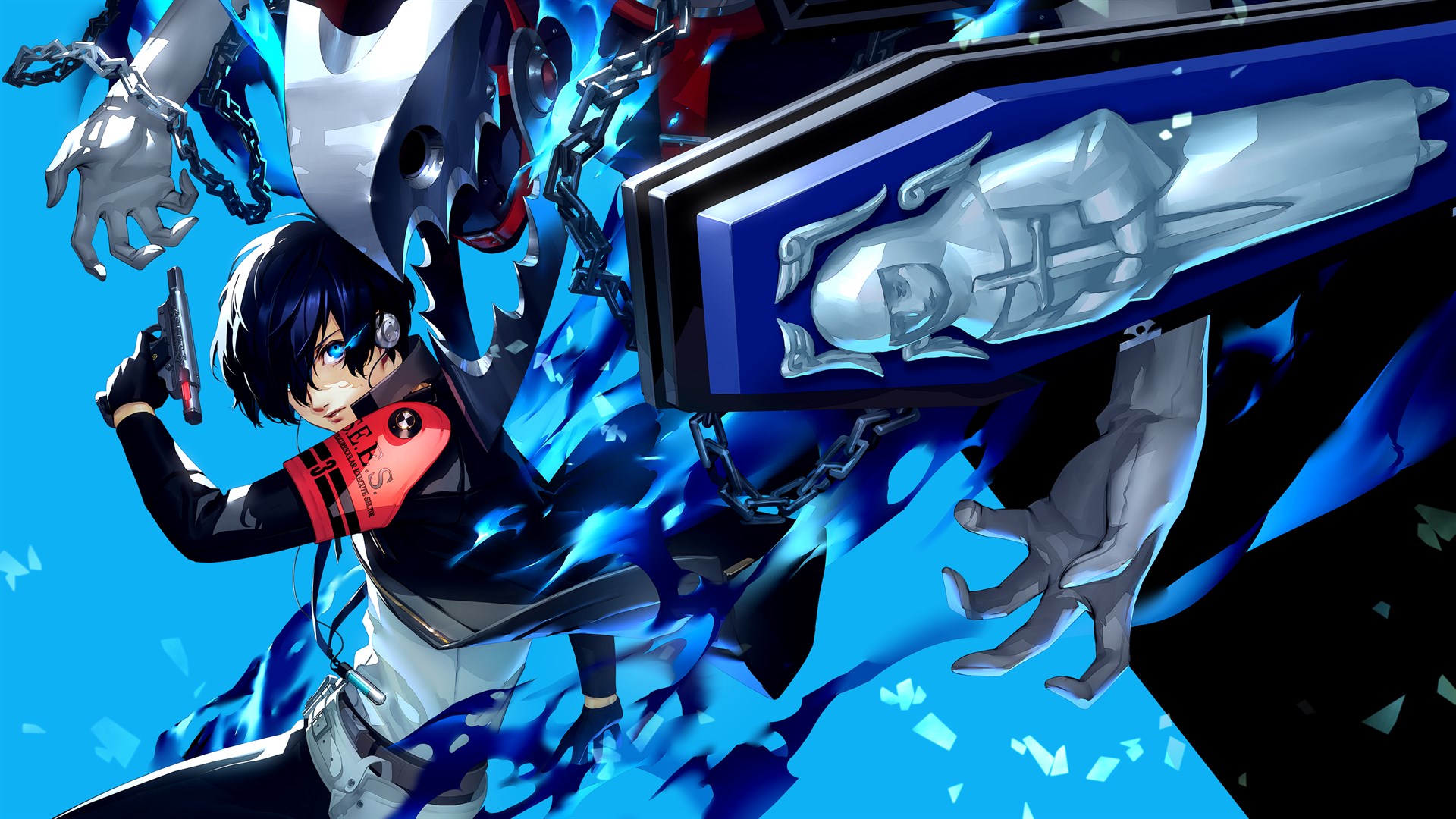
2009 – 2010: Persona 3 / Persona 3 Reload
A major shift in the series occurs nearly a decade later. Persona 3 (and its enhanced versions Persona 3 FES, Persona 3 Portable, and Persona 3 Reload) takes place between April 2009 and March 2010 on Tatsumi Port Island.
Every night at midnight, a hidden period called the "Dark Hour" occurs, turning ordinary humans into coffins while monstrous Shadows hunt those remaining active. High school transfer student Makoto Yuki (or Kotone Shiomi in Persona 3 Portable) joins SEES (Specialized Extracurricular Execution Squad) to explore Tartarus, a giant tower that appears during the Dark Hour.
The story concludes with the protagonist sacrificing their soul to become the Great Seal, preventing Nyx from triggering the destruction of humanity. The epilogue campaign, "The Answer" (included in Persona 3 FES and Persona 3 Reload expansion content), takes place in March 2010 and resolves the grief of the surviving SEES members.
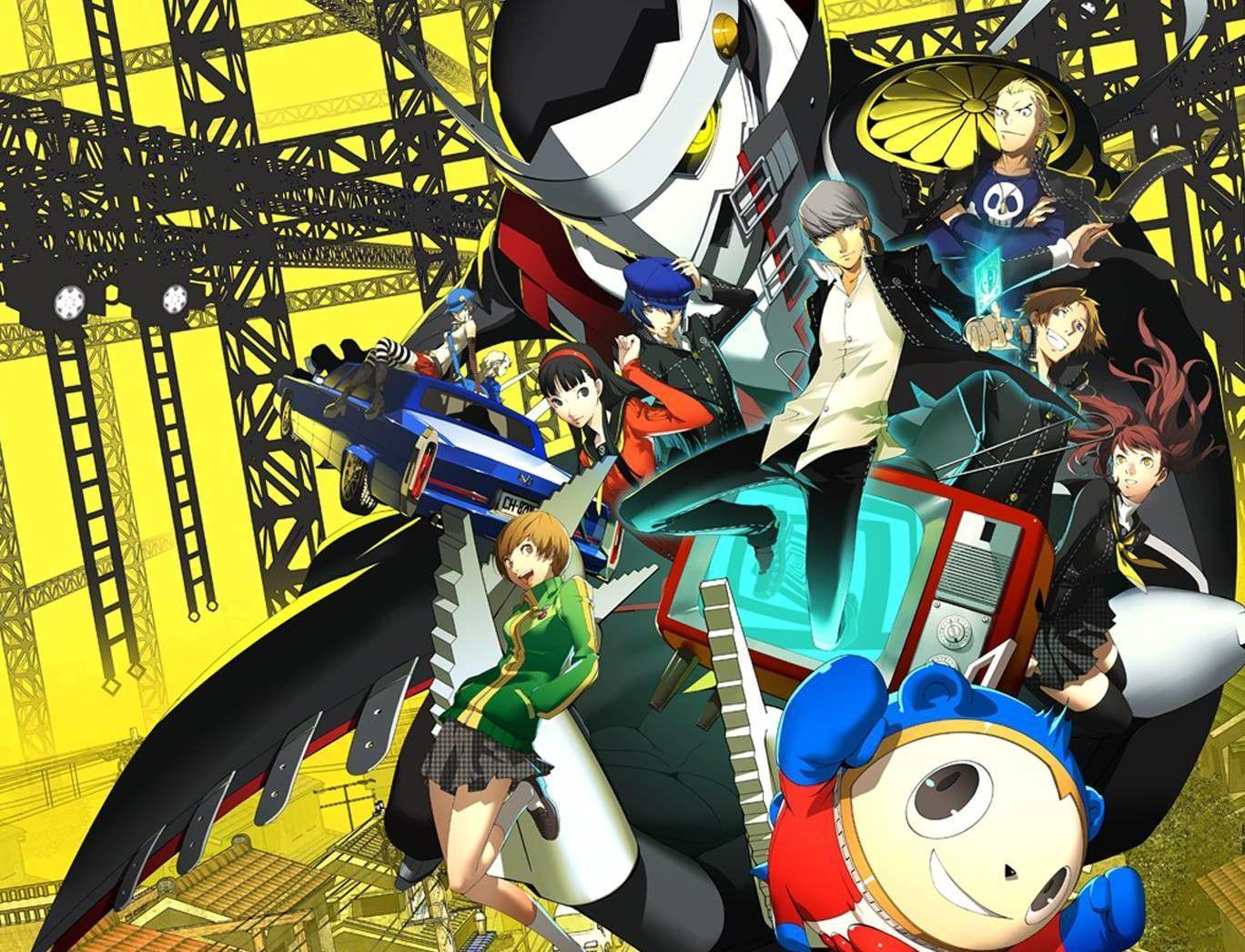
2011 – 2012: Persona 4 / Persona 4 Golden
Set a year after the events of Persona 3, Persona 4 (and Persona 4 Golden) takes place from April 2011 to March 2012 in the quiet rural town of Inaba.
High school student Yu Narukami moves in with his uncle and quickly becomes involved in investigating a series of bizarre murders where victims are thrown into televisions during foggy nights. Alongside new friends, Yu forms the Investigation Team and gains the ability to enter the TV World to rescue victims and confront their suppressed Shadow selves.
The canonical ending sees the team defeat Izanami, the deity manipulating human desires, and clear the fog engulfing the real world. An epilogue scene in Persona 4 Golden shows Yu returning to visit his friends in the summer of 2012.

2012: The Persona 4 Spin-off Era
Several canonical canonical spin-offs take place shortly after the main events of Persona 4 Golden.
May 2012: Persona 4 Arena and Persona 4 Arena Ultimax
Set two months after the defeat of Izanami in May 2012, Persona 4 Arena and its direct sequel Persona 4 Arena Ultimax bring together the Investigation Team and older versions of the surviving Persona 3 SEES members (now working under Mitsuru Kirijo's Shadow Operatives organization). They investigate a new TV World tournament threat orchestrated by Sho Minazuki and Hi-no-Kagutsuchi.
Autumn 2012: Persona 4: Dancing All Night
Taking place around September 2012, Persona 4: Dancing All Night follows Yu Narukami and the Investigation Team as they assist idol Rise Kujikawa in Tokyo. They discover a strange dimension called the Midnight Stage and rescue kidnapped idols using dance performance rather than traditional combat.
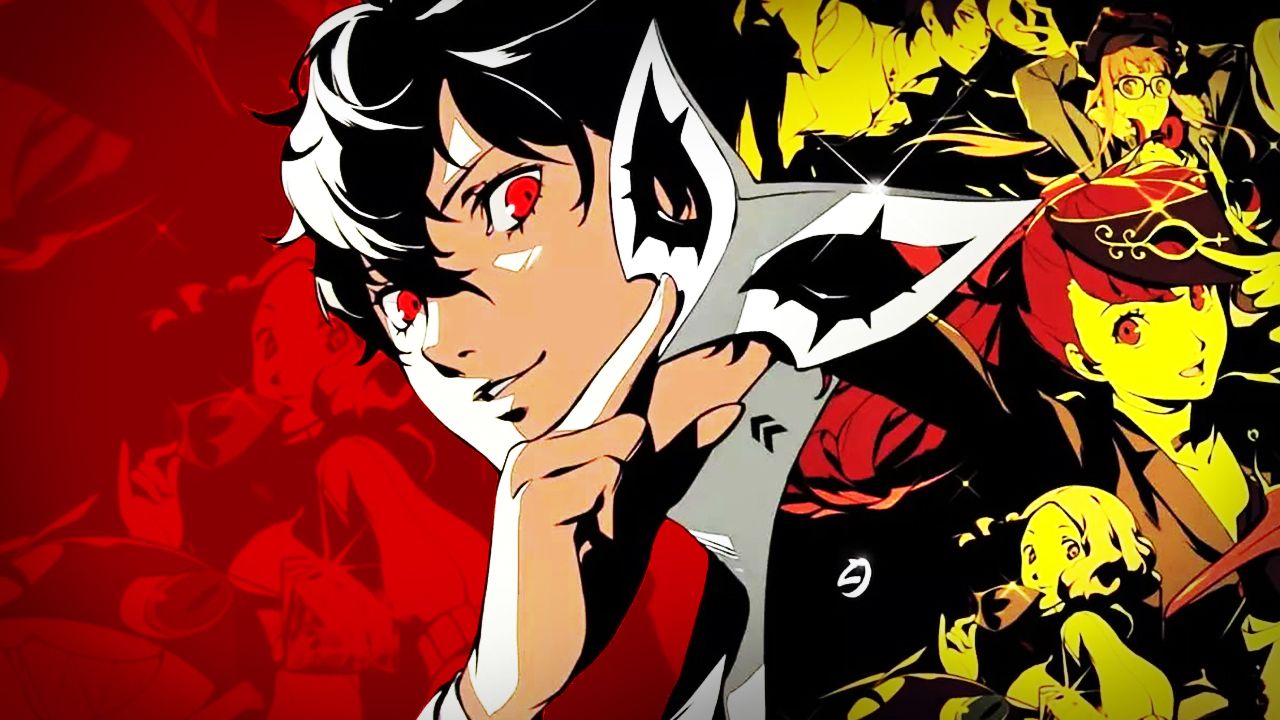
2016 – 2017: Persona 5 / Persona 5 Royal
Moving forward several years, Persona 5 (and its expanded edition Persona 5 Royal) takes place from April 2016 through March 2017 in modern Tokyo.
The protagonist, codenamed Joker, is placed on probation after being falsely accused of assault. He transfers to Shujin Academy and discovers an app that opens access to the Metaverse—a cognitive reality born from distorted human desires. Joker forms the Phantom Thieves of Hearts alongside fellow students to steal the "Treasure" inside Palaces and trigger heart changes in corrupt adults.
In Persona 5 Royal, an additional third semester extends the narrative into early 2017, introducing a reality-bending conflict against Dr. Takuto Maruki before the original ending resolves in March 2017.
2017: The Persona 5 Sequels and Spin-offs
Winter 2017: Persona 5 Tactica
Set during the winter of the main game's timeline (around February or March 2017, before Joker leaves Tokyo), Persona 5 Tactica pulls the Phantom Thieves into a bizarre revolution-themed Realm within the Metaverse, where they team up with Erina and Toshiro Kasukabe.

Summer 2017: Persona 5 Strikers
Serving as a direct story sequel to the main game, Persona 5 Strikers takes place six months after Persona 5, during July and August 2017. The Phantom Thieves reunite for a summer camping trip across Japan, only to discover a new Metaverse manifestation called Jails, operated via AI technology named EMMA.
Where Do Crossover Spin-Offs Fit in the Timeline?
Several games bring together characters across different eras. Because they involve time displacement or dream spaces, their placement on the timeline requires special context:
- Persona Q: Shadow of the Labyrinth: Takes place during the culture festivals of Persona 3 (October 2009) and Persona 4 (October 2011). Time manipulation pulls both casts into a shared labyrinth space. At the end, memories of the event are wiped to preserve timeline continuity.
- Persona Q2: New Cinema Labyrinth: Functions similarly, pulling the casts of Persona 3, Persona 3 Portable (Female Protagonist), Persona 4, and Persona 5 into a movie theater realm. Memories are also wiped afterward.
- Persona 3: Dancing in Moonlight & Persona 5: Dancing in Starlight: Occur within dream realms created by the Velvet Room attendants (Elizabeth, Justine, and Caroline). They take place outside standard chronological time and leave no impact on real-world memories.
Frequently Asked Questions
Do you need to play the Persona games in order?
No, you do not need to play the games in chronological order. Each numbered entry—such as Persona 3 Reload, Persona 4 Golden, and Persona 5 Royal—features an independent main story with a brand-new cast. However, playing in order helps you spot minor easter eggs, returning characters, and references in spin-offs like Persona 4 Arena Ultimax.
Is Persona 5 Strikers a direct sequel to Persona 5 Royal?
Persona 5 Strikers was developed in parallel with Persona 5 Royal. Because of this, it primarily follows up on the events of original Persona 5 and does not explicitly reference third-semester characters like Kasumi Yoshizawa or Takuto Maruki. However, it still naturally functions as a sequel to either version.
Are Persona 1 and Persona 2 connected to Persona 3, 4, and 5?
Yes. While Persona 3 introduced a stylish complete overhaul of gameplay and tone, all entries take place in the same universe. Characters from Revelations: Persona appear in Persona 2, and TV news broadcasts in Persona 3 and Persona 4 frequently mention events and characters from the earlier games.
Final Thoughts
The Persona timeline is a fascinating progression of urban fantasy stories. From its origins in late-90s PS1 RPGs to modern hits like Persona 5 Royal and Persona 3 Reload, Atlus has built a cohesive world connected by common themes, supernatural realms, and recurring allies. Whether starting with the classic titles or jumping straight into modern releases, knowing the timeline adds extra depth to one of gaming's greatest RPG franchises.
