Introduction and Historical Context
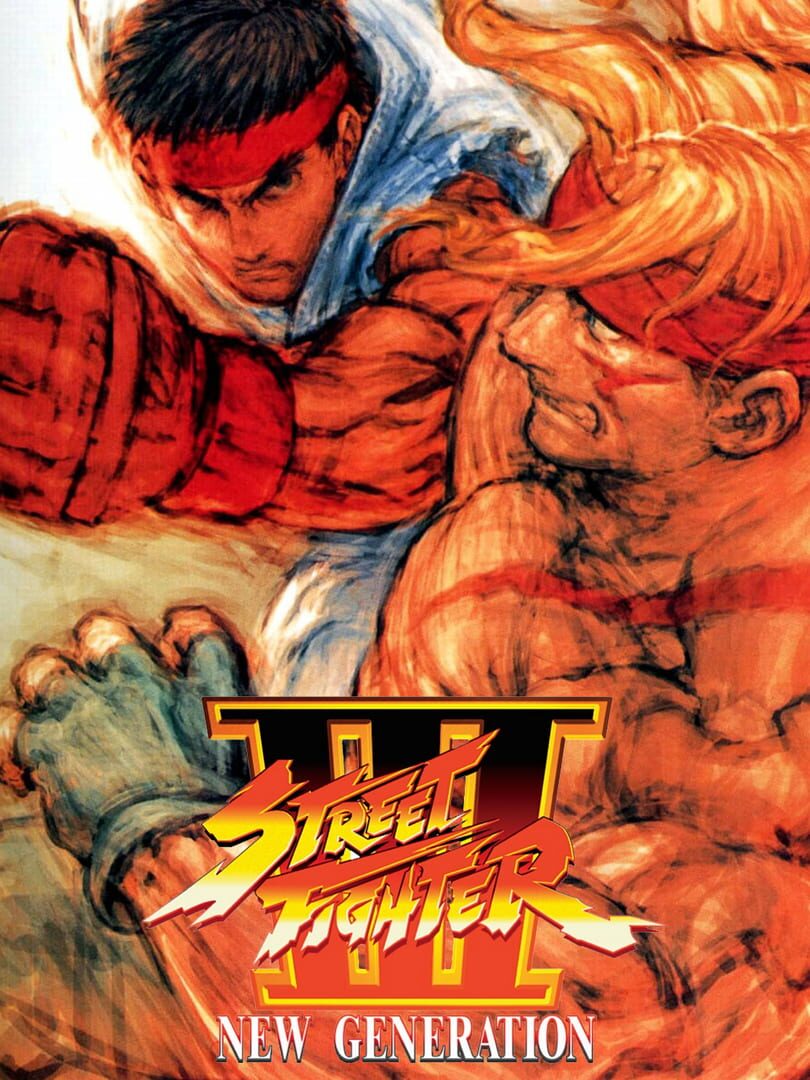
In 1997, Capcom faced a monumental challenge: creating a true numerical sequel to Street Fighter II, one of the most influential video games of all time. Rather than playing it safe, Capcom released Street Fighter III: New Generation in arcades, delivering a radical departure from its predecessor. Operating on Capcom's state-of-the-art CPS-3 hardware, the game represented a bold leap forward that initially shocked traditionalists but eventually earned a legendary reputation among fighting game enthusiasts.
Developer and Technical Gameplay Innovations
Developed and published by Capcom, Street Fighter III: New Generation introduced fundamental mechanics that redefined competitive fighting games. The most prominent feature was the Parry System, which allowed players to neutralize incoming attacks without taking chip damage by tapping forward or down at the precise moment of impact.
Additionally, the game introduced the Super Arts selection mechanic. Prior to a match, players chose one of three character-specific Super Arts, adding a layer of strategic depth and customization to every matchup.
Story and Narrative
The narrative of New Generation steps away from M. Bison and Shadaloo, setting the stage for a new era. The storyline centers around Alex, a young kickboxer from New York seeking revenge against the enigmatic figurehead Gill, leader of a secret society known as the Illuminati.
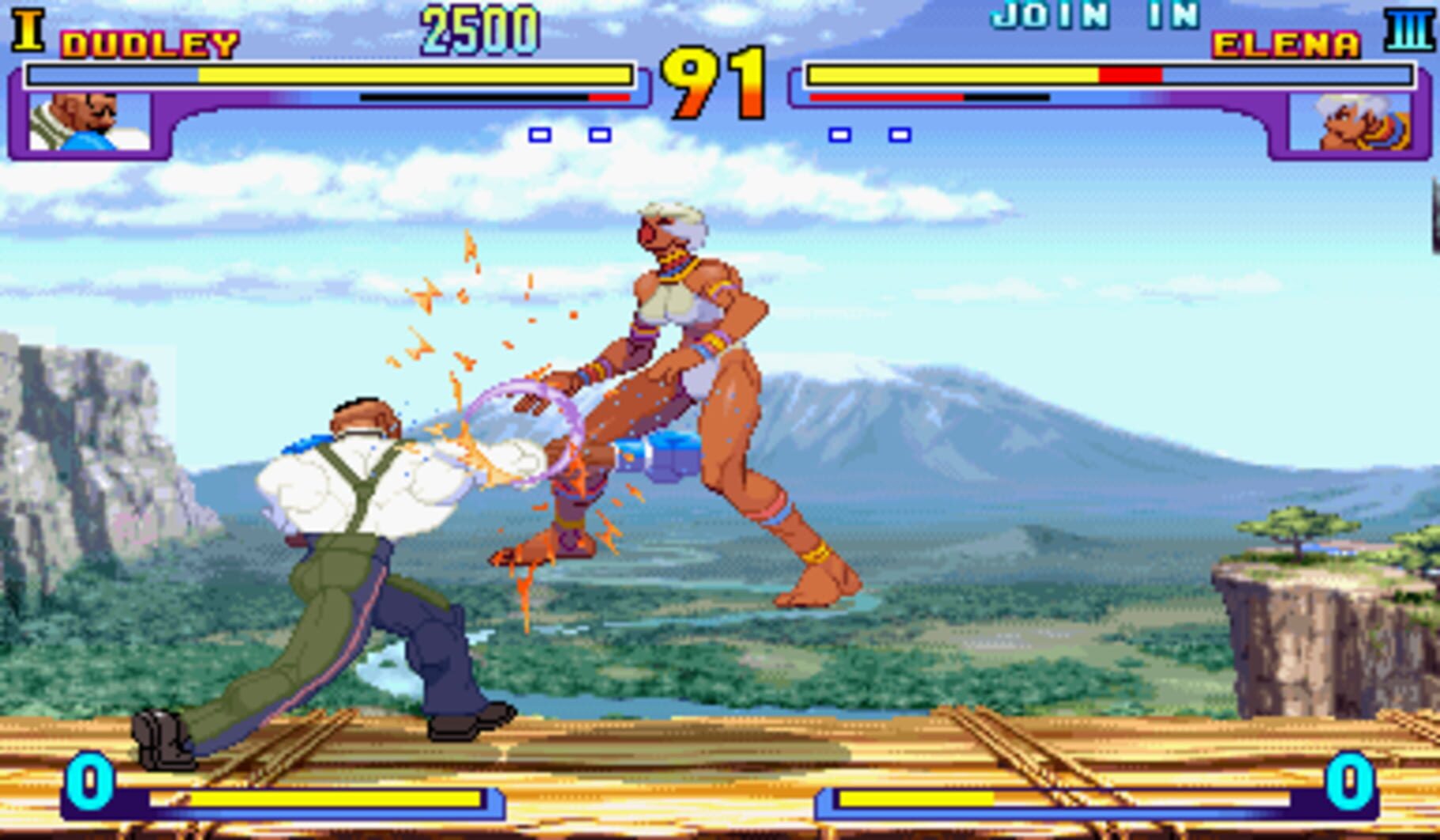
While traditional fighting games kept narrative secondary, Street Fighter III crafted a unique atmosphere through subtle character interactions, rival encounters, and distinct endings. The roster felt drastically different, replacing classic world warriors with new faces like Yun, Yang, Necro, Ibuki, Dudley, and Elena, leaving only Ryu and Ken as returning veterans.
Graphics, Visuals, and Audio
Visually, Street Fighter III: New Generation remains a high-water mark for hand-drawn 2D sprite art. Powered by the CPS-3 arcade system, the animation fluidity was unprecedented, featuring high frame counts that gave characters lifelike movement, detailed cloth physics, and expressive dynamic backgrounds.
The sound design shifted dramatically from the heavy arcade synth of the early '90s toward a sophisticated mix of drum and bass, hip-hop, jazz, and techno composed by Hideki Okugawa. This modern, urban soundtrack perfectly complemented the fresh visual identity of the game.
Playable Platforms
Over the years, Street Fighter III: New Generation has transitioned from arcade cabinets to modern consoles. Below is a breakdown of key releases:
| Platform | Release Format | Notes |
|---|---|---|
| Arcade (CPS-3) | Original Arcade Board | The original 1997 release hardware. |
| Sega Dreamcast | Street Fighter III: Double Impact (1999) | Bundled with 2nd Impact; excellent home arcade port. |
| PlayStation 4 / Xbox One / Nintendo Switch / PC | Street Fighter 30th Anniversary Collection (2018) | Includes arcade-perfect port with display filters and save states. |
Final Recommendation and Verdict
Street Fighter III: New Generation is a masterpiece of 2D game design and technical ambition. While its initial roster overhaul intimidated casual fans in 1997, its refined gameplay mechanics, sublime animation, and timeless aesthetics make it an essential play for fighting game purists and retro gaming historians alike.
Verdict: 4.5 / 5 — A daring, gorgeous, and fundamentally sound chapter in fighting game history that paved the way for future classics like 3rd Strike.