


Step into the fog-choked streets of New England, and you enter a reality where nightmare and memory collapse into one. Since the release of the original game, the Silent Hill franchise has stood as a high watermark for psychological horror in video games. Unlike monster stories that rely purely on gore, the series crafts terror from guilt, trauma, and spiritual decay.
However, understanding the plot across multiple games can be challenging. Between cult rituals, split souls, alternate dimensions, and personal manifestations of guilt, the timeline can feel fragmented. This guide breaks down the complete lore and overarching narrative of Silent Hill, explaining how a quiet resort town became a gateway to personal damnation.
The Origins of the Town: Sacred Earth and Dark Cults
Before it became a haunted getaway, the land upon which Silent Hill sits held profound spiritual energy. Long before European settlers arrived, Indigenous peoples considered the area holy, calling it the "Place of the Sunlocked Spirits." They performed sacred rituals there, recognizing that the veil between reality and the spiritual realm was thin.
During the late 17th and 18th centuries, colonial settlers established a town. Tragically, war, epidemics, and dark history began to warp the local spiritual energy. The town was converted into a penal colony during the Civil War, and the suffering of prisoners combined with the dark intentions of later secret societies corrupted the land's power.
By the 20th century, a sinister religious cult known simply as The Order had taken root in the town. The Order worshipped an ancient deity (often referred to as "God" or "Samael") and believed that by bringing about apocalyptic destruction, they could rebirth the deity and usher in a world free of pain and sorrow—even if it meant burning the current world to ash.
The Catalyst: Alessa Gillespie and the Ritual
The core events of the series begin with a young girl named Alessa Gillespie. Alessa possessed immense psychic powers, capable of telekinesis and astral projection. Her mother, Dahlia Gillespie, was a high-ranking fanatical leader in The Order.
Dahlia viewed her own daughter as a vessel to incubate the cult's deity. To trigger the divine pregnancy through extreme suffering, Dahlia trapped Alessa inside their home and set it ablaze. Though Alessa suffered full-body third-degree burns, her psychic energy kept her alive. The Order brought her to the basement of Alchemilla Hospital, keeping her in an endless state of agonizing paralysis while incubating the entity inside her soul.
To prevent the birth of the dark god, Alessa used her spiritual power to split her soul into two parts. The uncorrupted half manifested outside the town as a newborn infant. A wandering couple, Harry Mason and his wife, found the baby on the side of the road and named her Cheryl. Meanwhile, Alessa's suffering body remained trapped in Silent Hill, radiating pain that transformed the town's spiritual force into a terrifying, nightmare-generating engine.
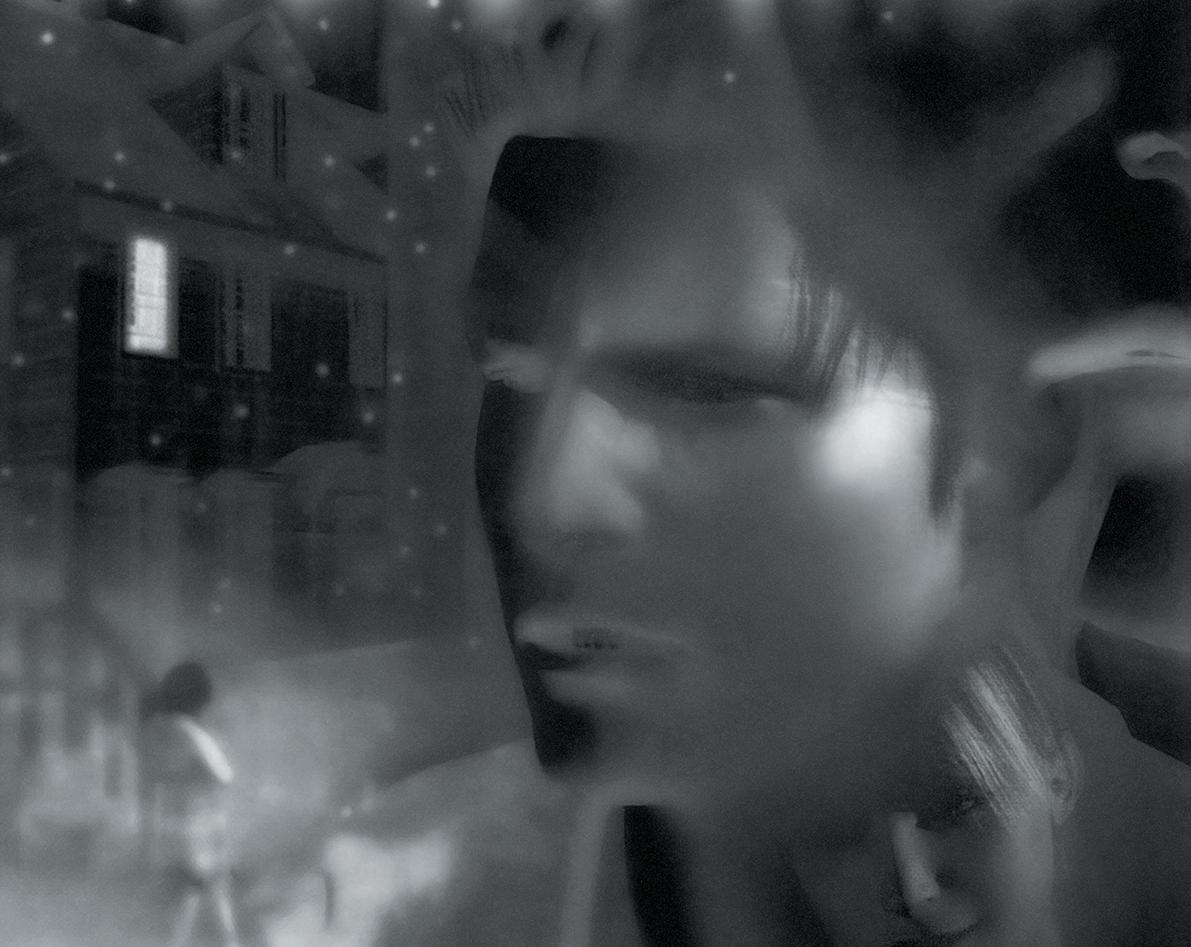
Silent Hill (1999): Harry Mason's Search
Seven years after adopting Cheryl, Harry Mason takes his daughter on a vacation to Silent Hill. As they approach the town, a mysterious figure steps into the road, causing Harry to crash his car. When he awakens, Cheryl is missing.
As Harry searches the abandoned, snow-covered streets, he learns that Cheryl was drawn back to the town by Alessa's spiritual pull. Dahlia Gillespie trick Harry into using an artifact called the Flauros to trap Alessa, recombining the split soul. With the soul whole again, Dahlia attempts to summon the deity.
Harry defeats the spawned entity in the climax. Dying, Alessa bestows a new infant upon Harry—containing the reincarnated soul of both Alessa and Cheryl—before enabling Harry to escape the collapsing town. Harry flees and raises the child, named Heather, in hiding.
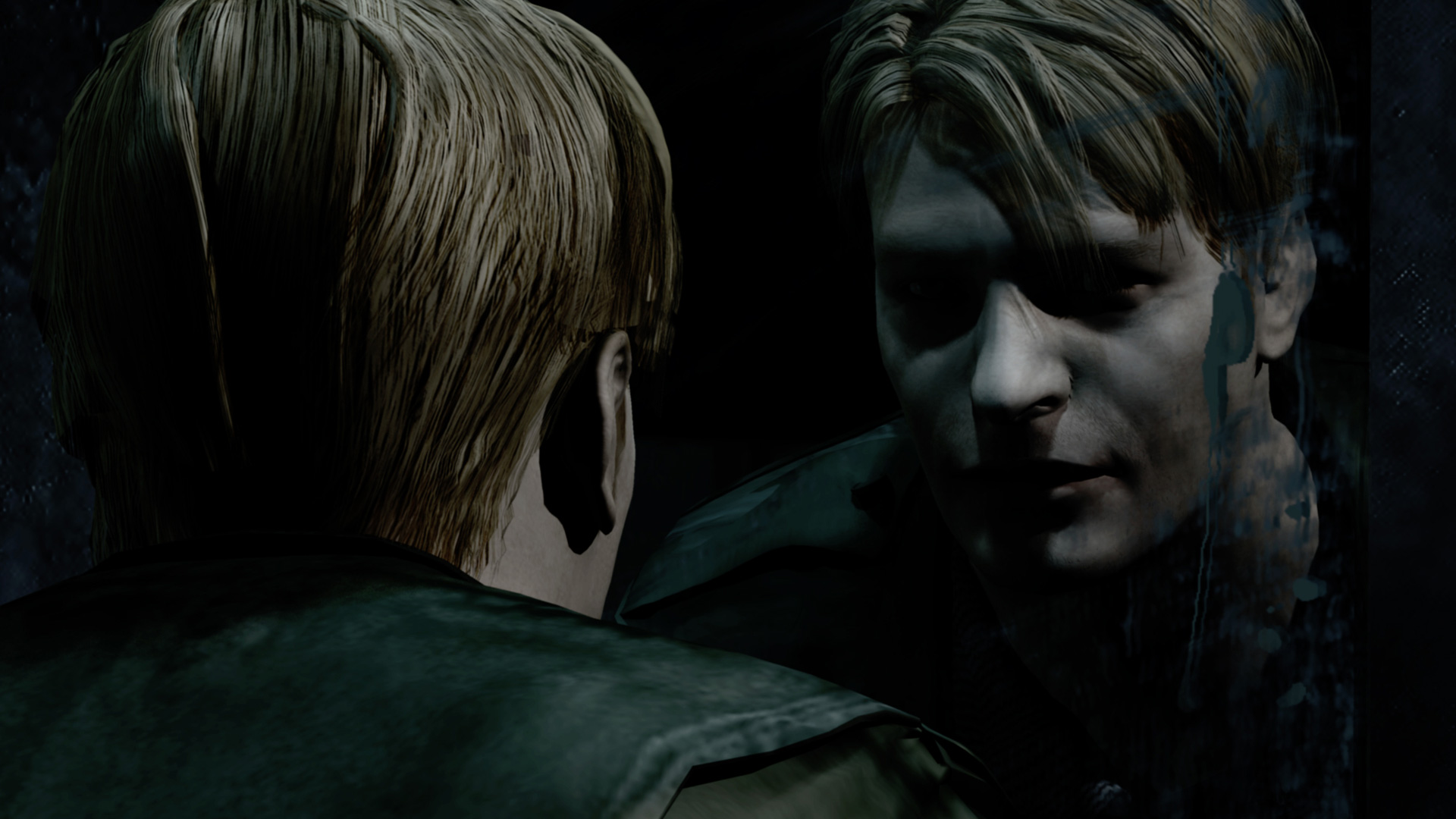
Silent Hill 2: The Mirror of Psychological Trauma
While the first game centers on cult rituals, Silent Hill 2 shifts focus to the psychological power of the town itself. The story follows James Sunderland, who receives a letter from his wife, Mary, asking him to meet her in their "special place" in Silent Hill. The catch? Mary died of a terminal illness three years ago.
Upon arriving, James encounters other troubled individuals drawn to the town, including Angela Orosco and Eddie Dombrowski. Each person experiences a radically different version of Silent Hill tailored to their specific subconscious guilt and trauma.
Throughout his journey, James is pursued by terrifying monsters, most notably Pyramid Head (the Executioner). Eventually, James discovers the tragic truth: Mary did not die three years ago from illness. Overwhelmed by bitterness, exhaustion, and guilt, James suffocated Mary himself shortly before traveling to the town. The town's spiritual power responded to his buried guilt, creating a personal purgatory designed to punish him until he confronted his actions.
Depending on player choices throughout Silent Hill 2 (and its remake, Silent Hill 2 Remake), James can achieve several endings ranging from suicide to moving forward with life.
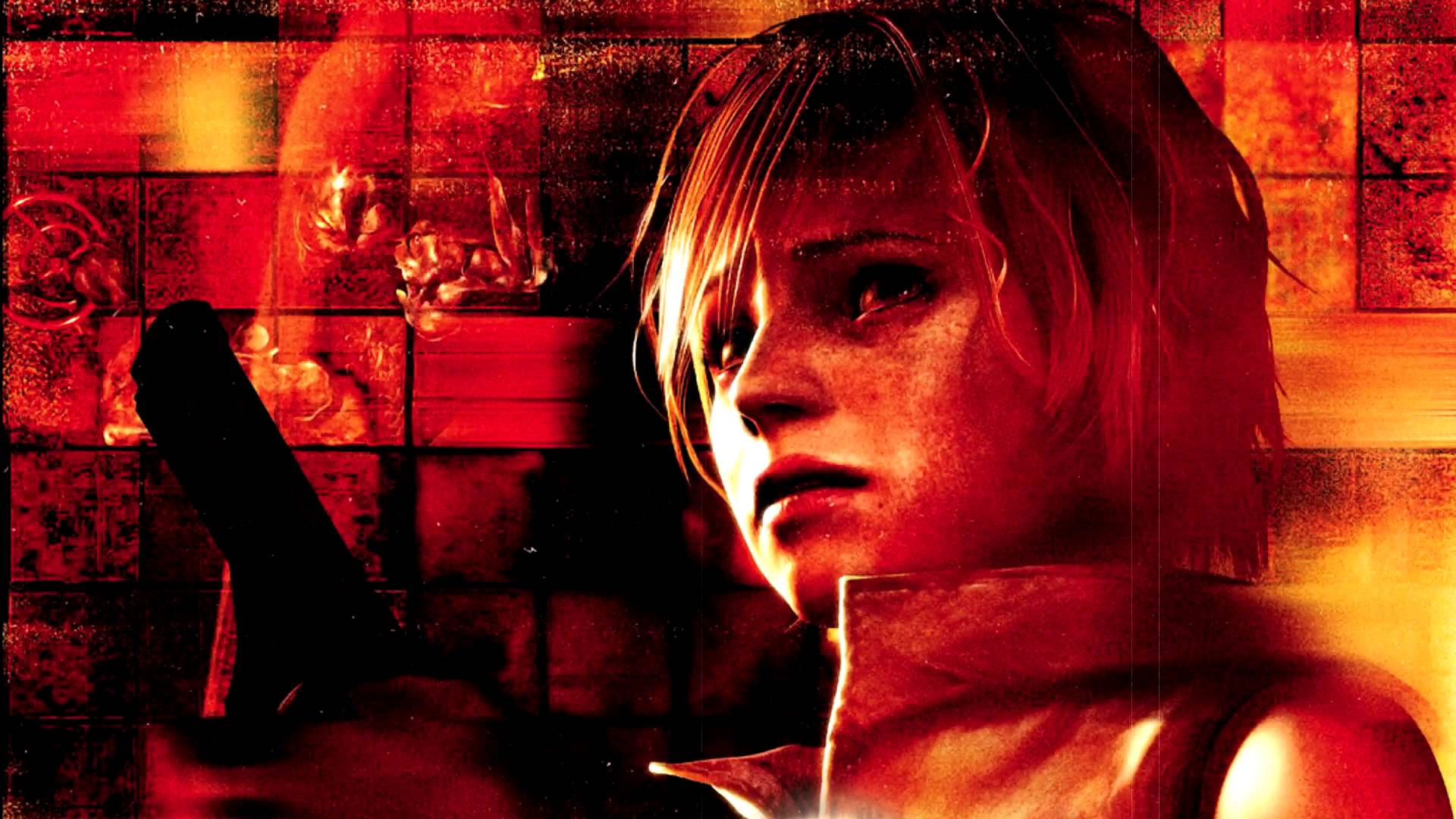
Silent Hill 3: Completing the Circle
Picking up seventeen years after the original game, Silent Hill 3 follows teenage Heather Mason. Living under an assumed name with her father Harry, Heather is tracked down by Claudia Wolf, a childhood friend of Alessa and a high priestess of The Order.
Claudia murders Harry to fill Heather's heart with hatred, which accelerates the growth of the unborn deity still resting dormant inside Heather's soul. Heather travels back to Silent Hill to avenge her father.
Accepting her past identity as Alessa/Cheryl, Heather consumes an aglaophotis drug to expel the fetus deity and ultimately defeats Claudia and the birth of God, putting an end to Alessa's tragic legacy once and for all.
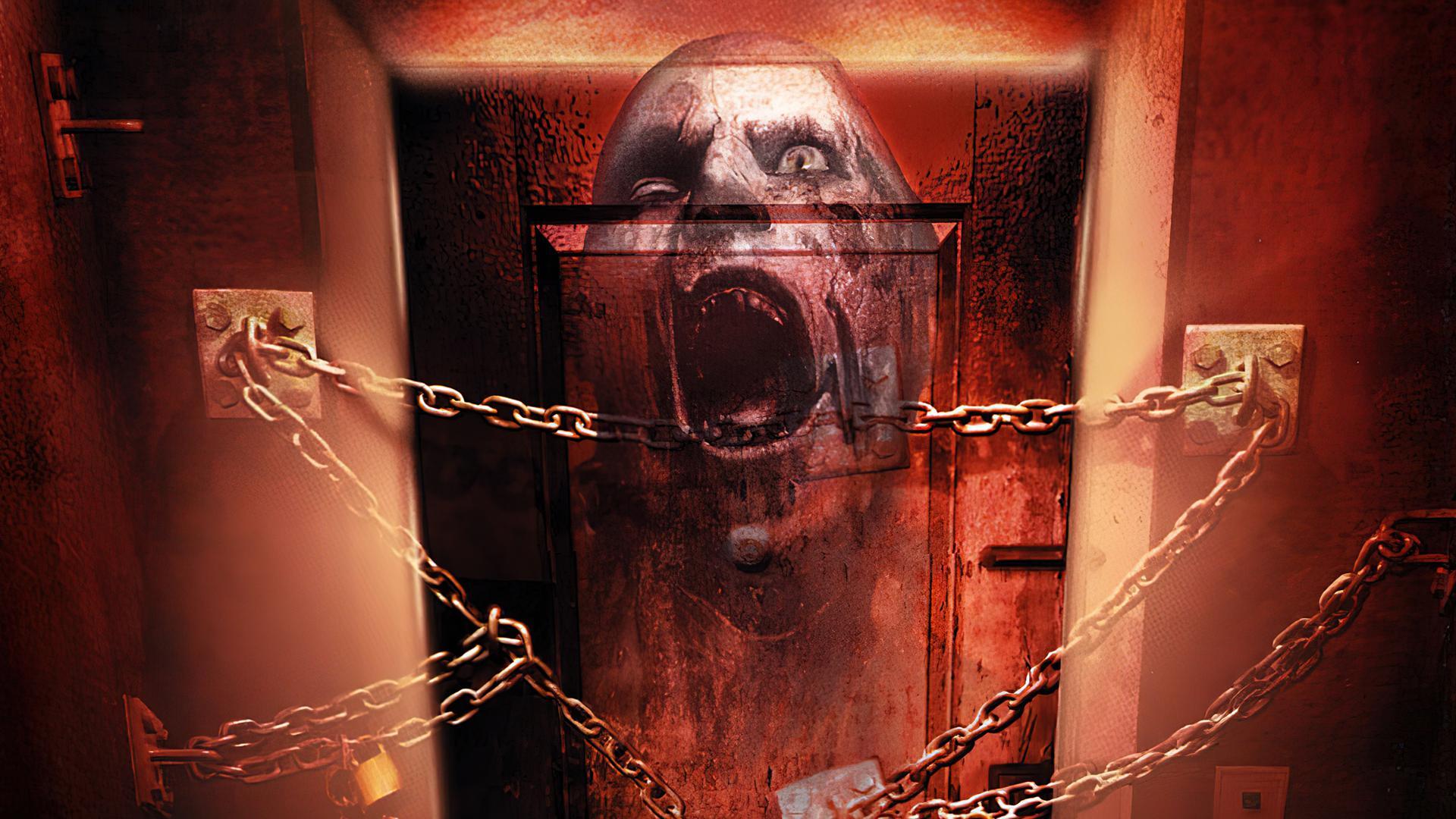
Silent Hill 4: The Room: The 21 Sacraments
In Silent Hill 4: The Room, the narrative shifts slightly outside the town to nearby Ashfield. The protagonist, Henry Townshend, finds himself mysteriously locked inside his apartment (Room 302) with no way out. A strange hole opens in his bathroom wall, leading into surreal otherworldly spaces.
Henry discovers he is caught in the spiritual snare of Walter Sullivan, an orphan raised by The Order's Wish House orphanage. Walter was conditioned to believe that Room 302 was his mother. To "awaken" his mother, Walter undergoes a ritual called the 21 Sacraments, committing murders across space and time. Henry must stop the completion of the ritual to break the horrific spatial spell.
The Dimensions of Silent Hill Explained
To fully grasp the lore, it helps to understand how reality functions in the series. The environment shifts across three distinct states:
- The Real World: A quiet, mostly abandoned resort town with normal physical laws.
- The Fog World: A misty parallel plane where fog covers the streets, roads end in sheer drop-offs, and light monsters wander. This state acts as a buffer zone between reality and pure nightmare.
- The Otherworld: A rusted, blood-soaked, decayed realm governed by iron grates, industrial machinery, and terrifying creatures. The Otherworld is a physical manifestation of a person's deepest subconscious fears, trauma, or spiritual power.
Frequently Asked Questions
Why do different characters see different monsters in Silent Hill?
The spiritual force of the town acts like a psychic mirror. Rather than possessing a fixed appearance, the monsters and environments are pulled directly from an individual's subconscious. For instance, in Silent Hill 2, James sees sexually frustrated and medical-themed creatures reflecting his wife's illness, while Angela sees fire and abstract representations of familial abuse.
Is Pyramid Head exclusive to James Sunderland?
In terms of original lore, Pyramid Head was created specifically by James Sunderland's mind. The entity's appearance was inspired by historical paintings of executioners from the town's cult past, acting as an indestructible punish-giver tailored to force James to remember his crime. Though later spin-off games featured Pyramid Head, narrative purists consider his appearance fundamentally linked to Silent Hill 2.
Are the games connected directly or self-contained?
The series features both direct sequels and standalone stories. Silent Hill and Silent Hill 3 form a continuous storyline focusing on Alessa and The Order. Games like Silent Hill 2, Silent Hill: Homecoming, and Silent Hill: Downpour are mostly standalone psychological stories connected by the town's location and background lore.
Final Thoughts
The enduring legacy of Silent Hill lies in its masterful combination of cult mythology and deeply human emotion. By forcing its characters—and its players—to confront horror born from within rather than just without, the series remains one of the most compelling narratives in gaming history.
