Introduction and Historical Context
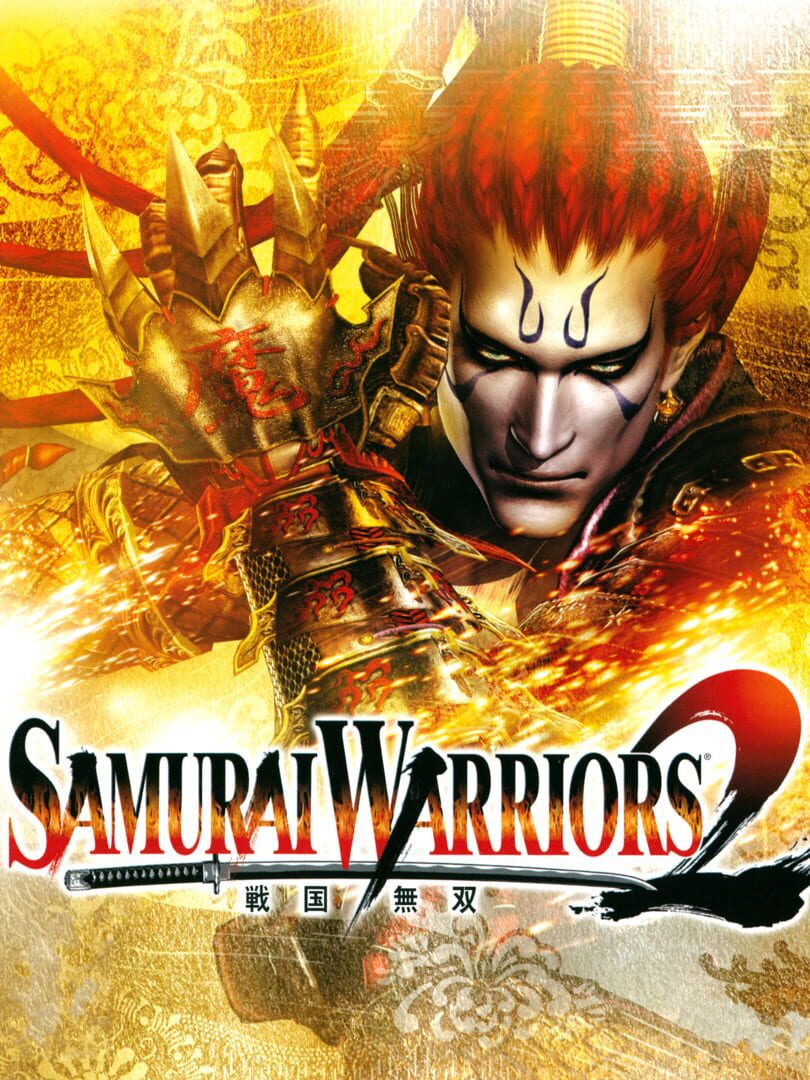
Released in 2006, Samurai Warriors 2 stands as one of the defining titles of the hack-and-slash genre during the sixth generation of gaming consoles. Arriving at a time when developer Omega Force was refining its signature Musou formula, the game built significantly upon the foundation laid by its 2004 predecessor. Set during Japan's tumultuous Sengoku (Warring States) period, the game plunges players into the grand military conflicts that ultimately led to the unification of Japan under the Tokugawa Shogunate.
Developer and Release History
Samurai Warriors 2 was developed by Omega Force and published by Koei (now Koei Tecmo). Known for their expertise in large-scale tactical action games, Omega Force refined the combat fluidity, character build variety, and enemy battlefield AI for this installment, making it a standout entry in their overall library.
Playable Platforms
The game was initially released on the PlayStation 2 and later received expanded ports and remasters across multiple hardware generations:
- PlayStation 2: The original target platform, offering classic local co-op gameplay.
- Xbox 360: Featured enhanced visual resolution and smoother performance.
- Microsoft Windows (PC): Released in 2008, bringing high-resolution support and customization options.
- PlayStation 3 & PlayStation Vita: Included in the Samurai Warriors 2 HD Version compilation released in 2013.
Story and Narrative
The narrative of Samurai Warriors 2 is structured around individual character campaigns known as Musou Mode. Rather than offering a singular linear story, the game highlights key historical figures—such as Yukimura Sanada, Mitsunari Ishida, Ieyasu Tokugawa, and Nobunaga Oda—exploring their distinct motivations, alliances, and tragic downfalls.
The emotional core of the game centers on the ideological clash between the Eastern and Western armies, culminating in the pivotal Battle of Sekigahara. The storytelling effectively balances dramatic cinematic cutscenes with historically grounded dialogue, giving each of the 26 playable characters a personal arc that elevates the battleground experience.
Graphics and Audio Performance
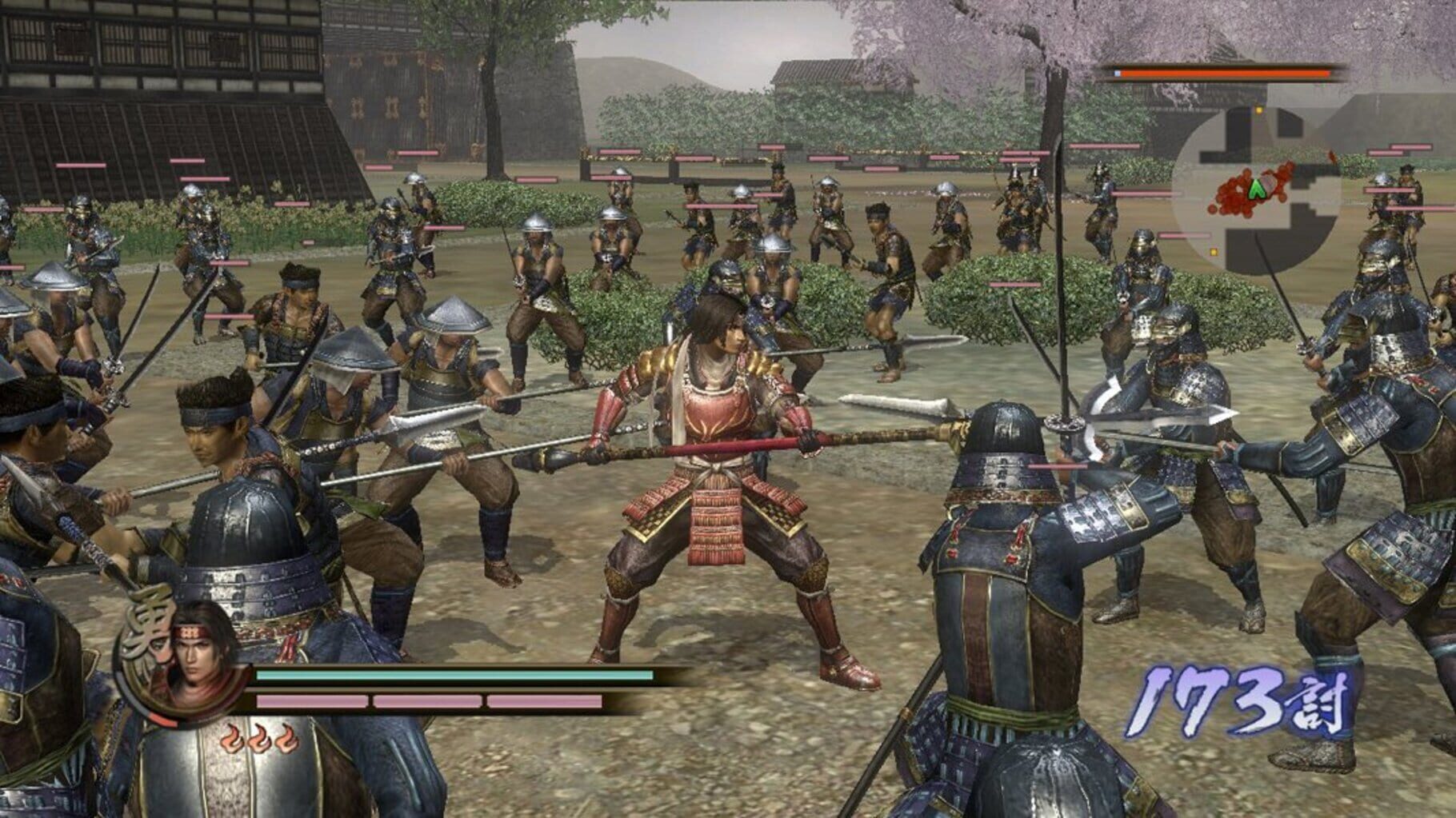
For a 2006 release, Samurai Warriors 2 achieved impressive technical milestones. The game managed to render dozens of soldiers on screen simultaneously without catastrophic frame rate drops, a major accomplishment on original PS2 hardware.
- Visuals: Character models feature detailed armor designs based on historical attire, accompanied by stylized, vibrant special attack effects. While battlefield environments are somewhat simple, the draw distance and render density maintain tactical clarity.
- Soundtrack: The audio design excels with an energetic fusion of traditional Japanese instruments (such as the shamisen and taiko drums) combined with electronic rock beats, creating a fast-paced tempo for combat.
Gameplay Features and Mechanics
Combat in Samurai Warriors 2 introduces several key updates over the original game:
- Special Skills System: Characters are divided into unique playstyles (Normal, Charge, and Special attacks) allowing for distinct combo branches and tactical options like summoning bodyguards or stance shifts.
- Sugoroku Mode: A traditional Japanese board game mini-game that offers a refreshing multiplayer diversion from main combat.
- Skill Tree Progression: Players can acquire battlefield skills and upgrade weapons with elemental attributes like Fire, Ice, Lightning, and Wind.
Final Verdict and Recommendation
Samurai Warriors 2 remains a high-water mark for the tactical action genre. It successfully combines satisfying crowd-clearing combat with deep historical lore and a memorable soundtrack. While the repetitive nature of hack-and-slash gameplay might not appeal to everyone, its execution of story and progression makes it a must-play for retro action fans and Japanese history enthusiasts alike.
Final Rating: 8.5/10 — Highly recommended for fans of retro action titles and tactical hack-and-slash classics.