Introduction & Historical Context
Released in late 1994 and early 1995, Rise of the Triad: Dark War (often abbreviated as ROTT) stands as one of the most unapologetically chaotic first-person shooters of the 90s FPS boom. Originally conceived as a direct sequel to Wolfenstein 3D titled Wolfenstein 3D: II - Rise of the Triad, the project was unexpectedly canceled by id Software mid-development. Undeterred, the development team repurposed their work into an original, feature-packed title that carved out its own iconic place in gaming history.
Developer & Development History
ROTT was developed and published by Apogee Software (the company that later became 3D Realms). Spearheaded by game designer Tom Hall following his departure from id Software, the game was built on a heavily modified version of the Wolfenstein 3D engine. Despite the engine's inherent limitations—such as 90-degree flat walls—the team pulled off technical marvels for the time, introducing dynamic skyboxes, bullet holes, glass breaking, fog effects, and pseudo-3D room layering through floating platforms and jump pads.
Story and Narrative
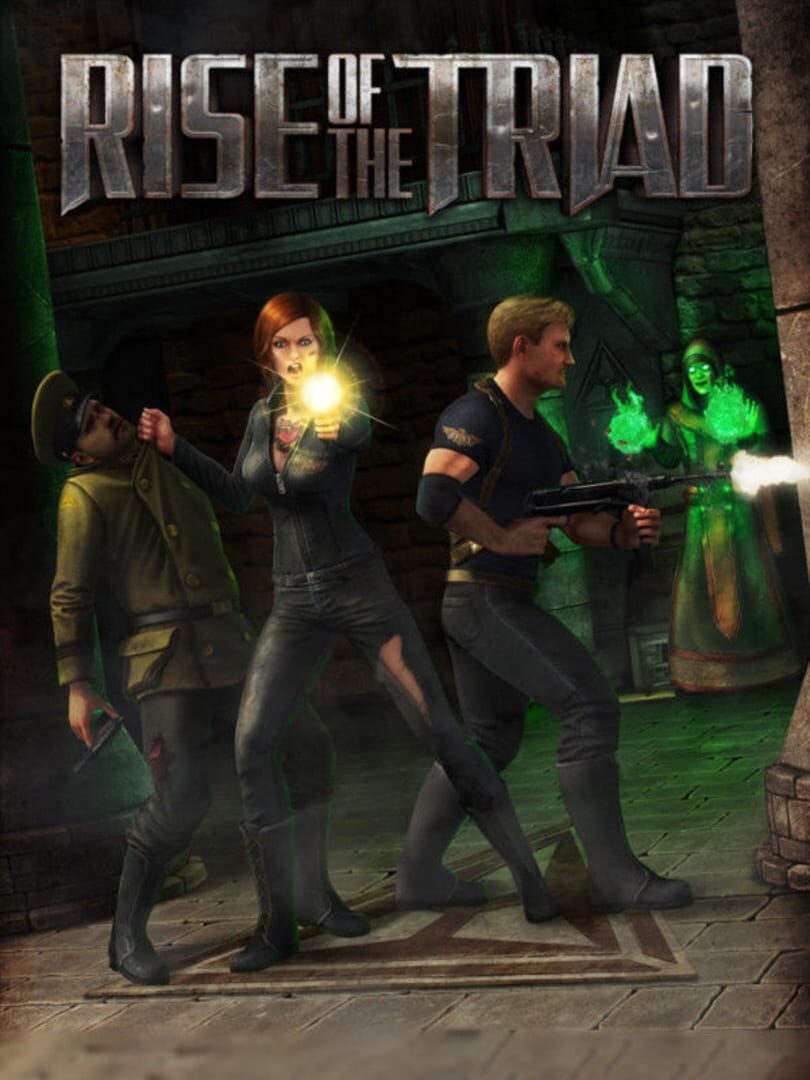
The plot centers on H.U.N.T. (High-Risk United Nations Taskforce), an elite operative team sent to investigate cult activity on San Nicolas Island off the California coast. Upon arrival, their boat is destroyed, trapping them on the island where they uncover a global destruction plot led by the sinister cult leader El Oscuro.
Unlike many shooters of its era, ROTT allowed players to select from five distinct operatives:
- Taradino Cassatt: The balanced team leader.
- Thi Barrett: Fast and agile with moderate health.
- Lorelei Ni: The fastest character with low health resilience.
- Doug Wendt: Slow moving but heavily armored.
- Ian Paul Freeley: High health with slower movement speed.
Graphics, Sound, and Gameplay Mechanics
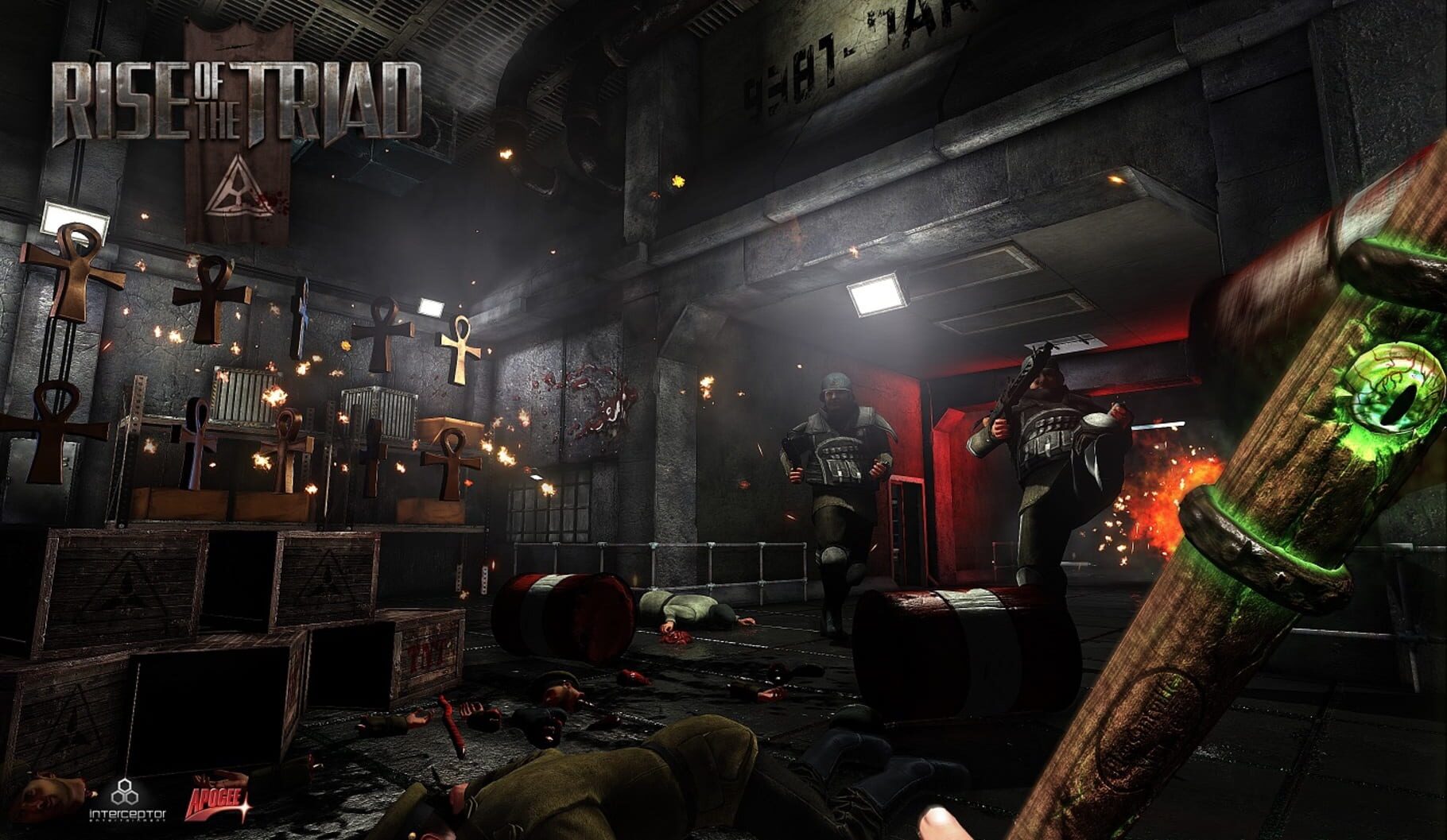
Visually, Rise of the Triad utilized digitized real-life actors for character sprites and enemies, giving it a gritty, distinct aesthetic. The game embraced over-the-top gore, popularizing the phrase "Ludicrous Kills" with flying gibs and explosive particle effects.
Where ROTT truly excelled was its gameplay mechanics. It eschewed standard weaponry in favor of devastating rocket launchers, heat-seeking missiles, the energy-firing Excalibat, and the absurd "Drunk Missile". It also introduced surreal power-ups like God Mode (invincibility paired with divine hand-blasts) and Dog Mode (turning into an invincible canine that barks shockwaves).
Complementing the action was an incredible, high-energy MIDI soundtrack composed by Lee Jackson and Bobby Prince, featuring memorable tracks like "Suck This" and "Gory Glory".
Platforms and Where to Play Today
Originally developed for MS-DOS, Rise of the Triad has maintained a active cult following across multiple platforms over the decades:
| Platform / Edition | Availability | Features |
|---|---|---|
| MS-DOS / Modern PC | Steam & GOG | Original DOS release bundled with DOSBox. |
| Rise of the Triad: Ludicrous Edition (2023) | PC, PS4, PS5, Xbox One, Xbox Series X/S, Nintendo Switch | Remastered by Nightdive Studios on the KEX Engine; features 4K resolution, ultrawide support, restored cut content, and brand-new episodes. |
Final Verdict & Recommendation
Rise of the Triad (1995) remains a vibrant, thrilling, and delightfully absurd piece of retro gaming history. While its grid-based map architecture shows its age when compared to DOOM or Duke Nukem 3D, its sheer creativity, fast-paced movement, iconic weaponry, and self-aware humor make it an absolute blast to play today.
Recommendation: Highly recommended for retro FPS fans and boom-shooter aficionados. For the best modern experience, pick up the 2023 Ludicrous Edition remaster on modern platforms.