


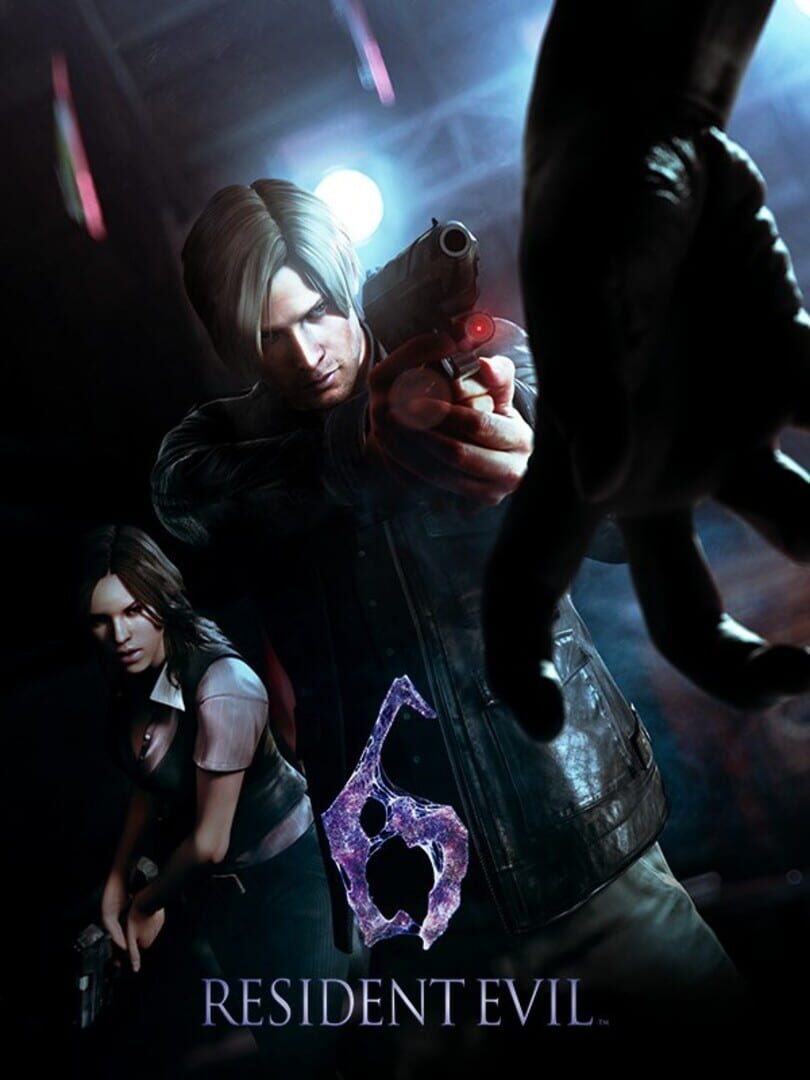
Introduction: The Context Behind Resident Evil 6
Released in October 2012, Resident Evil 6 stands as one of the most ambitious, high-budget, and polarizing entries in Capcom's legendary franchise. Following the massive commercial success of Resident Evil 4 and Resident Evil 5, Capcom aimed to create the ultimate action-horror blockbuster. The game shifted away from slow-burn survival horror mechanics in favor of a sprawling cinematic campaign designed to appeal to global action gaming audiences.
Developer and Engine
Developed and published internally by Capcom under the direction of Eiichiro Sasaki and producer Hiroyuki Kobayashi, Resident Evil 6 was built using an upgraded version of Capcom's proprietary MT Framework engine. The development team consisted of over 600 staff members, making it one of the largest production efforts in Capcom's history at the time.
Story and Narrative Structure
The narrative of Resident Evil 6 is split across four distinct yet interconnected campaigns, each offering a different perspective on a global bio-terrorist attack fueled by the new C-Virus.
- Leon S. Kennedy & Helena Harper: Focuses on a darker, gothic atmosphere reminiscent of classic horror, beginning with the assassination of the US President.
- Chris Redfield & Piers Nivans: Delivers heavy, cover-based military shooter gameplay as the BSAA fights bio-weapons on the streets of Lanshiang, China.
- Jake Muller & Sherry Birkin: Blends fast-paced martial arts and evasion as the son of Albert Wesker flees a relentless, stalker-type bio-weapon called the Ustanak.
- Ada Wong: A solo campaign featuring puzzle-solving and covert operations that unravels the overarching secrets of the plot.
While the intersecting stories offer impressive cinematic scope, the overall narrative can feel convoluted due to its constant shifting perspectives and explosive pacing.
Graphics, Audio, and Gameplay Mechanics
From a technical standpoint, Resident Evil 6 pushed the hardware of the seventh generation of consoles to its absolute limits. Character models are detailed, cutscenes are fluidly animated, and environmental lighting creates impressive set pieces. The sound design features impact-heavy weapon effects and a dramatic orchestrated musical score.
Gameplay mechanics were overhauled to offer unprecedented mobility compared to previous titles. Players can run, slide, shoot while prone, and execute dynamic melee attacks. However, the heavy reliance on Quick Time Events (QTEs) and set-piece explosions alienated fans seeking atmospheric survival horror.
Playable Platforms
Resident Evil 6 is widely accessible today across multiple generations of hardware:
| Platform | Release Type | Performance Features |
|---|---|---|
| PlayStation 3 & Xbox 360 | Original Release (2012) | 720p resolution, target 30 FPS |
| PC (Microsoft Windows) | Enhanced Version (2013) | Unlocked frame rates, high resolution options |
| PlayStation 4 & Xbox One | Remaster (2016) | 1080p resolution at 60 FPS, includes all DLC |
| Nintendo Switch | Handheld Port (2019) | Portable play, gyro aiming support |
Final Recommendation & Verdict
blockquote>If approached as a high-octane cooperative action game rather than a traditional survival horror experience, Resident Evil 6 delivers exceptional value and frantic entertainment.Resident Evil 6 is best enjoyed in two-player co-op mode. It offers immense value with hours of content, dramatic cinematic set pieces, and the refined Mercenaries mode. While it strays far from its horror roots, action fans and franchise completists will find plenty to enjoy.
Final Rating: 7.5 / 10

