Need for Speed: Most Wanted (2012) Review: Fast, Frantic, and Unfiltered Racing
When Criterion Games took the reins of the iconic Need for Speed franchise in 2012, expectations were sky-high. Reimagining the beloved 2005 classic of the same name, Need for Speed: Most Wanted (2012) set out to combine the high-octane police pursuits of NFS with the arcade-style open-world destruction popularized by Criterion's own Burnout Paradise. Over a decade later, this arcade racer remains a talking point among racing game enthusiasts.
Developer and Release Context
Developed by the renowned British studio Criterion Games and published by Electronic Arts (EA), the game marked a pivotal moment for the franchise. Criterion had already proved their arcade racing mastery with Burnout Paradise and 2010's Need for Speed: Hot Pursuit. With Most Wanted (2012), the developer aimed to create a seamless, non-stop multiplayer and single-player open-world experience driven by personal competition through their innovative Autolog system.
Playable Platforms
Upon release and in subsequent ports, Need for Speed: Most Wanted (2012) was made available across a wide variety of gaming platforms:
- Home Consoles: PlayStation 3, Xbox 360, Wii U (released as Most Wanted U)
- PC: Microsoft Windows
- Handhelds & Mobile: PlayStation Vita, iOS, Android
The Wii U version received special praise for utilizing enhanced textures from the PC version alongside unique GamePad features, while the PS Vita port was lauded for delivering nearly the full console experience on a portable device.
Story and Narrative
If you are looking for a deep cinematic storyline with live-action rivalries like the original 2005 masterpiece, you will not find it here. The narrative structure in the 2012 iteration is virtually non-existent, favoring pure gameplay freedom instead.
Set in the fictional city of Fairhaven, your sole objective is to work your way up the 'Most Wanted' list by defeating ten rival drivers in high-stakes races. You earn Speed Points (SP) by winning events, initiating police chases, smashing through billboards, and taking down rival racers. Once you accumulate enough SP, you challenge a Most Wanted driver, defeat them, and shut down their car to claim it for your own garage.
Graphics, Sound, and Visual Presentation
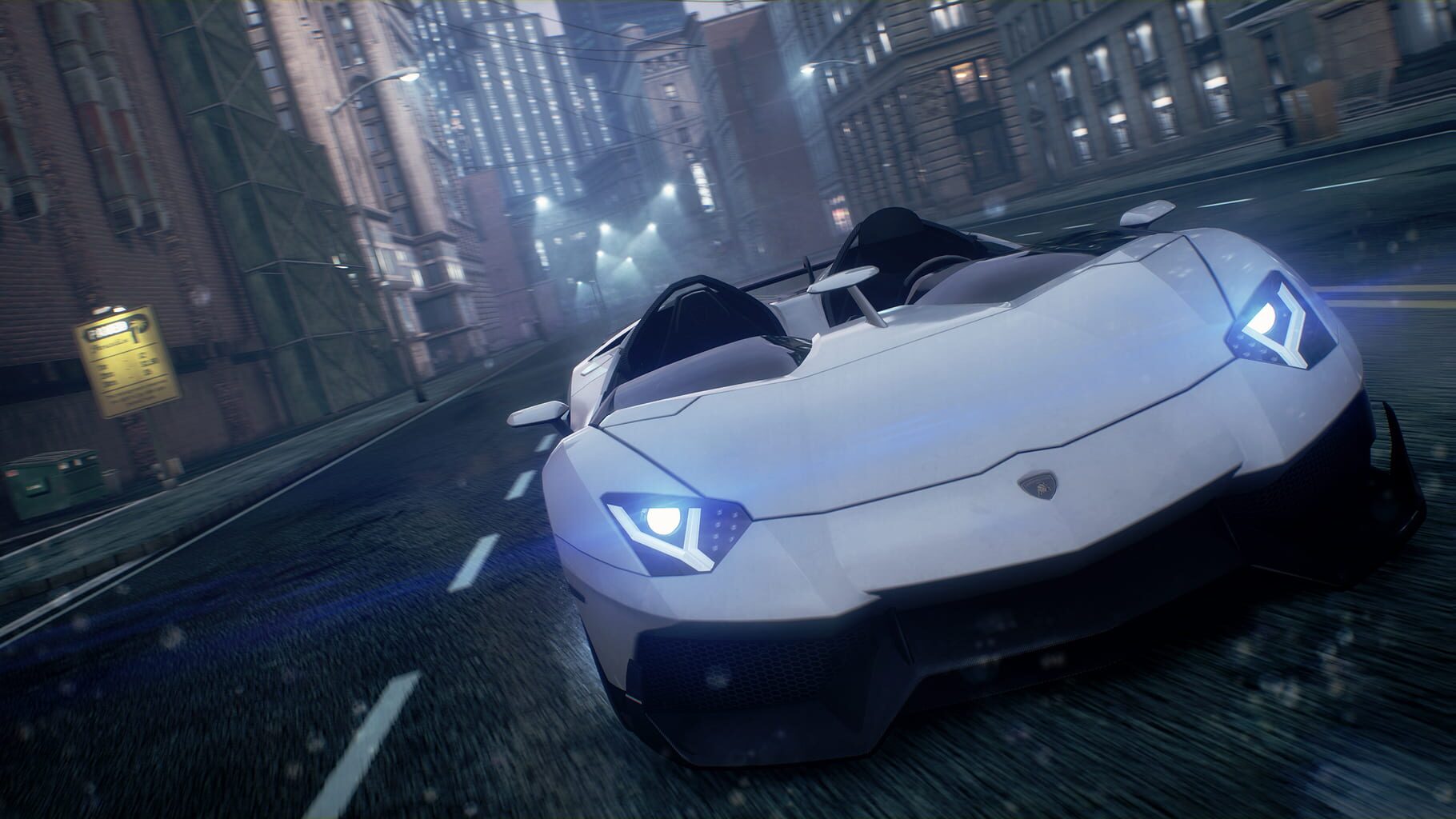
Graphically, Need for Speed: Most Wanted (2012) was well ahead of its time and still looks remarkably good today. Criterion used an enhanced version of their proprietary game engine to deliver stunning lighting effects, realistic weather reflections on wet asphalt, and highly detailed vehicle models.
The visual feedback during high-speed collisions—complete with crumbling metal, shattered glass, and dramatic slow-motion camera angles—is signature Criterion style. Complementing the visuals is a stellar soundtrack featuring rock, electronic, and hip-hop tracks, accompanied by punchy engine audio and immersive police scanner chatter that heightens the tension during pursuits.
Final Recommendation
Need for Speed: Most Wanted (2012) may disappoint purists who expected a direct narrative sequel to the 2005 original. However, as an arcade racer judged on its own merits, it is an absolute triumph of action-focused game design.
Verdict: 8.5/10 — Highly recommended for fans of arcade racers, open-world exploration, and frantic police chases. Its pick-up-and-play nature, breathtaking sense of speed, and polished presentation make it a title that remains thoroughly enjoyable today.