


Introduction to Metal Gear Solid
Created by Hideo Kojima, the Metal Gear series is one of the most influential franchises in modern gaming history. Renowned for pioneering the tactical stealth action genre, complex political narrative, cinematic cutscenes, and eccentric boss fights, the franchise spans decades of fictional military history.
For newcomers, stepping into the world of Metal Gear Solid can feel overwhelming. With complex storylines, multiple Snake characters, spin-offs, and various releases across generations, knowing where to start isn't always obvious. This beginner guide covers everything you need to know to dive into the iconic stealth franchise with confidence.
Should You Play in Release Order or Chronological Order?
The single most debated question among new players is how to experience the story. The overarching plot of the series jumps backward and forward through time across the 20th and 21st centuries.
Release Order (Recommended for First-Time Players)
Playing in release order is widely considered the best way for beginners to experience the saga. It allows you to appreciate the evolution of game mechanics, controls, and graphics over time. More importantly, prequels often rely on story reveals and dramatic irony that assume you already know the events of later-released titles.
Chronological Order (Best for Replays or Narrative Completionists)
If you prefer experiencing events strictly as they occur along the historical timeline, you can play chronologically. However, this method causes drastic leaps in graphics and control schemes between entries, which can feel jarring for newcomers.
Best Games to Start With
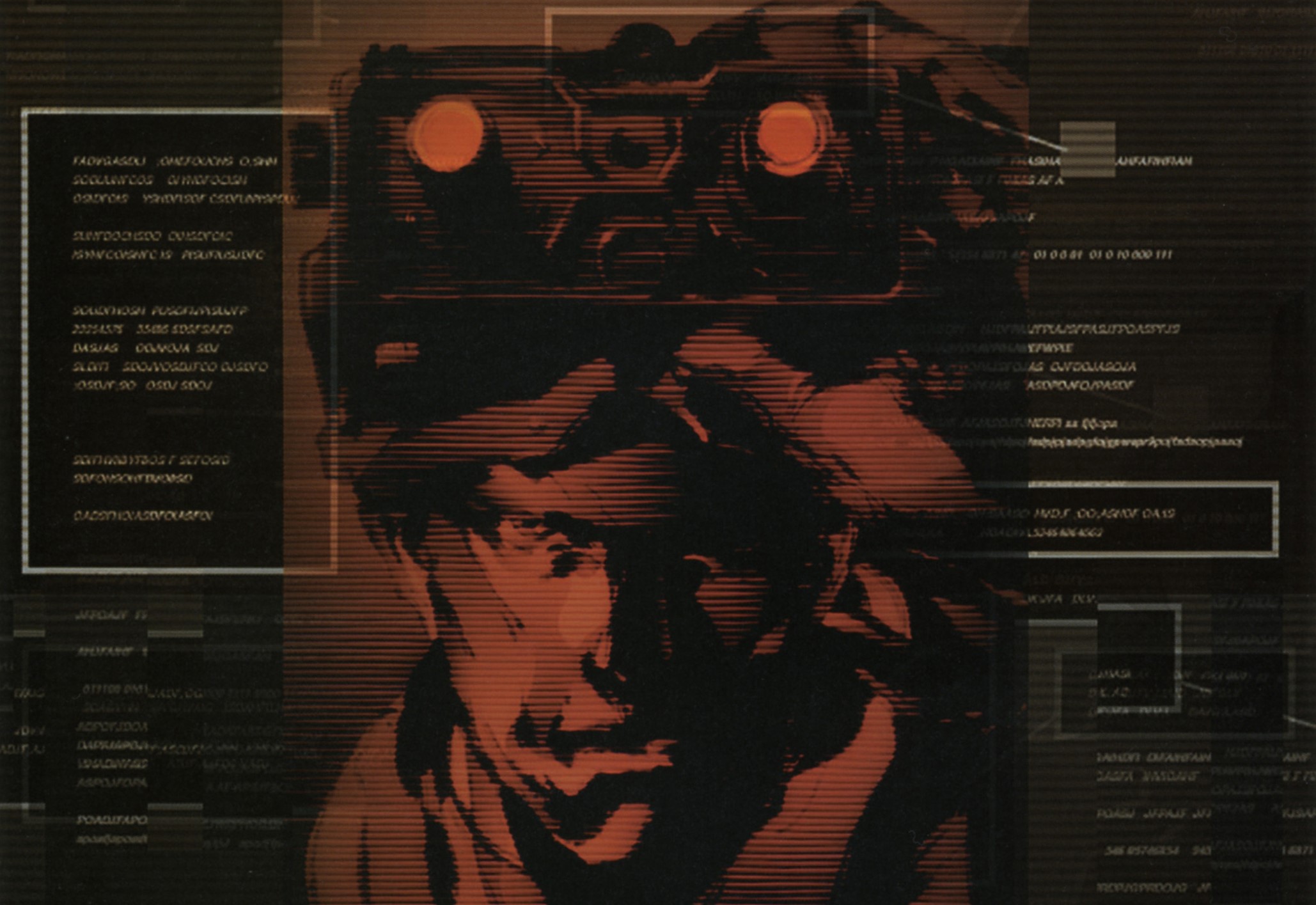
1. Metal Gear Solid (1998)
The 1998 PlayStation classic Metal Gear Solid established the modern identity of the franchise. You play as Solid Snake, infiltrating the nuclear disposal facility Shadow Moses to stop terrorist unit FOXHOUND. Despite aging visual aesthetics, its tight level design, voice acting, and memorable boss battles make it the ideal starting point. You can easily access this game today via the Metal Gear Solid Master Collection Vol. 1.
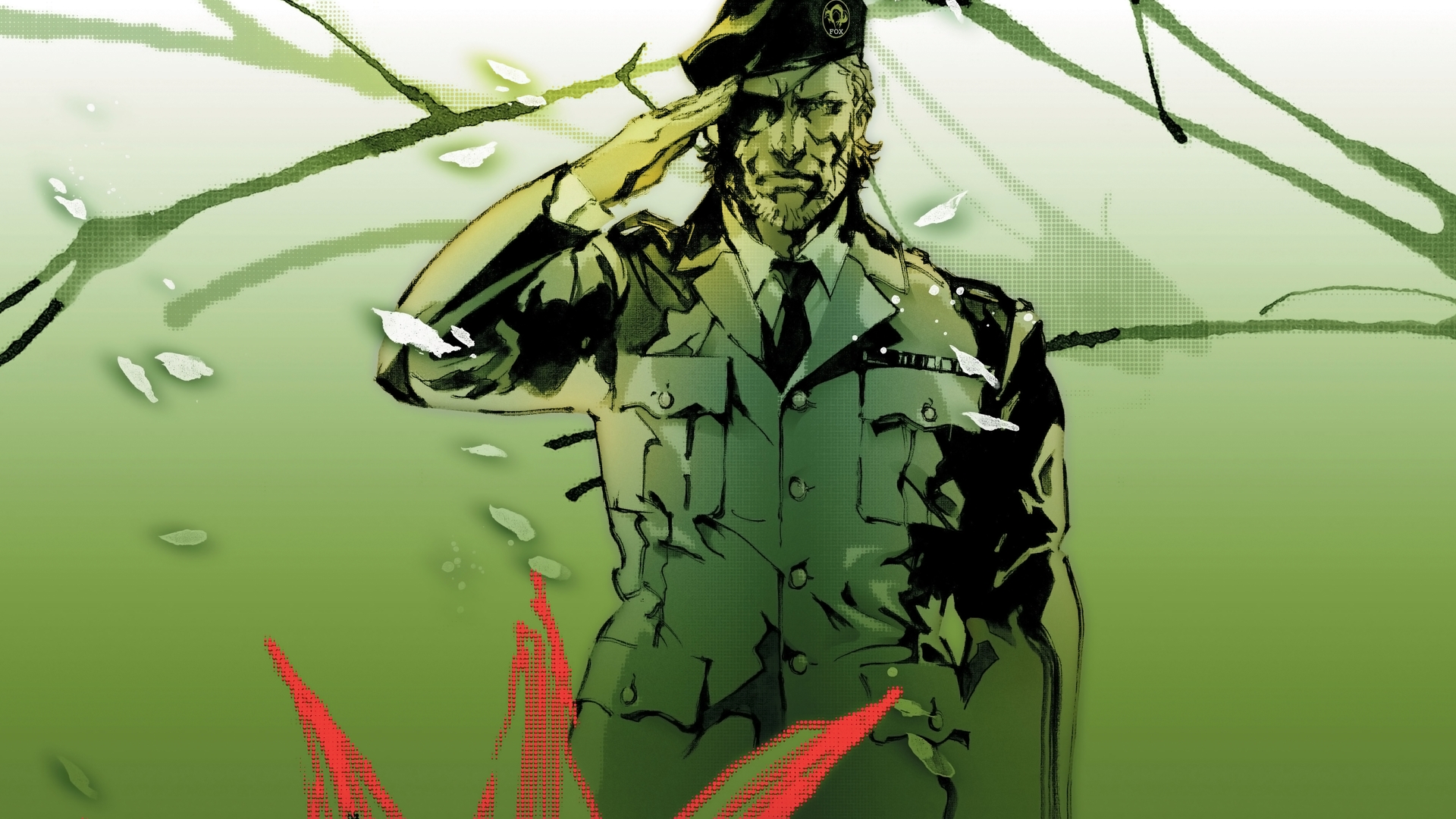
2. Metal Gear Solid 3: Snake Eater
Set in 1964 during the height of the Cold War, Metal Gear Solid 3: Snake Eater serves as the origin story for Big Boss (Naked Snake). It introduces outdoor survival mechanics, camouflage blending, and Close Quarters Combat (CQC). Because it is the earliest point on the narrative timeline, it works wonderfully as a standalone entry and is frequently cited as one of the greatest video games ever made. Players looking for modern visual updates can also look forward to Metal Gear Solid Delta: Snake Eater.
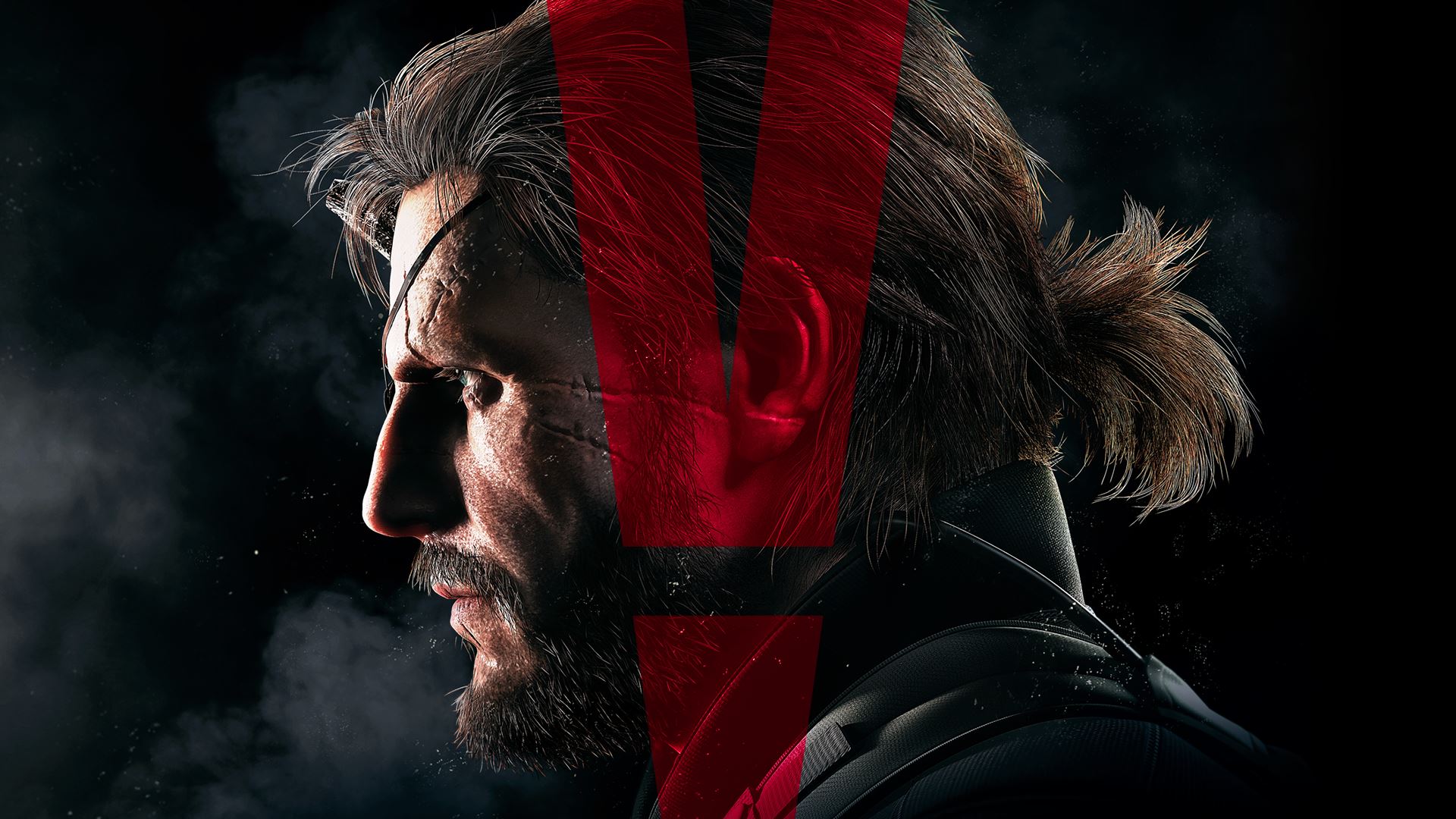
3. Metal Gear Solid V: The Phantom Pain
If gameplay responsiveness and modern mechanics are your highest priority, Metal Gear Solid V: The Phantom Pain offers some of the finest open-world stealth-action gameplay ever created. While its story is somewhat disjointed compared to earlier games, its fluid controls, buddy system, and freedom of tactical approach make it extremely accessible for modern gamers.
Core Gameplay Mechanics Explained
- Stealth over Violence: Guns are available, but combat alerts frequently bring overwhelming reinforcements. Staying hidden in shadows, vents, and cardboard boxes is almost always safer.
- The Codec System: Using your radio (Codec) allows you to contact support personnel. Calling team members repeatedly provides valuable tactical advice, lore, and hint systems.
- Non-Lethal Options: Tranquilizer pistols, stun grenades, and CQC grabs allow you to pacify guards without killing them, often rewarding you with better end-mission ranks.
- Camouflage and Radar: Depending on the title, managing your visibility using terrain matching (like in Metal Gear Solid 3: Snake Eater) or radar cones (like in Metal Gear Solid) is crucial to remaining undetected.
Complete Chronological Timeline Overview
Here is how the main entries line up chronologically within the universe's timeline:
- 1964: Metal Gear Solid 3: Snake Eater
- 1974: Metal Gear Solid: Peace Walker
- 1975: Metal Gear Solid V: Ground Zeroes
- 1984: Metal Gear Solid V: The Phantom Pain
- 1995: Metal Gear
- 1999: Metal Gear 2: Solid Snake
- 2005: Metal Gear Solid
- 2007–2009: Metal Gear Solid 2: Sons of Liberty
- 2014: Metal Gear Solid 4: Guns of the Patriots
Essential Tips for Metal Gear Beginners
- Be Patient: Enemy patrol routes are predictable. Take time to observe guard movements before pushing forward.
- Call Your Team Often: Whenever you run into a difficult boss or new mechanic, open your Codec radio. Support members will often give explicit advice on boss weaknesses.
- Use Your Environment: Distract guards by knocking on walls, throwing empty magazines, or hiding inside cardboard boxes.
- Save Frequently: Older titles lack frequent autosave points. Save manually through the Codec whenever entering a new area.
Frequently Asked Questions
Do I need to play the original 2D MSX games first?
No. While Metal Gear and Metal Gear 2: Solid Snake established the lore, Metal Gear Solid includes summary logs in its main menu that bring you up to speed on all vital backstory details.
Can I start directly with Metal Gear Solid V: The Phantom Pain?
Yes. Mechanically, it is the easiest entry to pick up and play. However, you may miss historical context regarding characters like Big Boss, Kazuhira Miller, and Revolver Ocelot.
What is the best modern way to play the classic games?
The Metal Gear Solid Master Collection Vol. 1 is the most convenient current option, bringing classic titles to modern consoles and PC with original features intact.
Final Thoughts
The Metal Gear Solid series offers an extraordinary mix of stealth, cinematic storytelling, and unforgettable boss fights. Whether you choose to start with the 1998 masterpiece Metal Gear Solid or the Cold War origin story of Metal Gear Solid 3: Snake Eater, you are in for an incredible gaming journey. Take your time, rely on stealth, and don't forget to use your Codec!
