


Introduction & Context
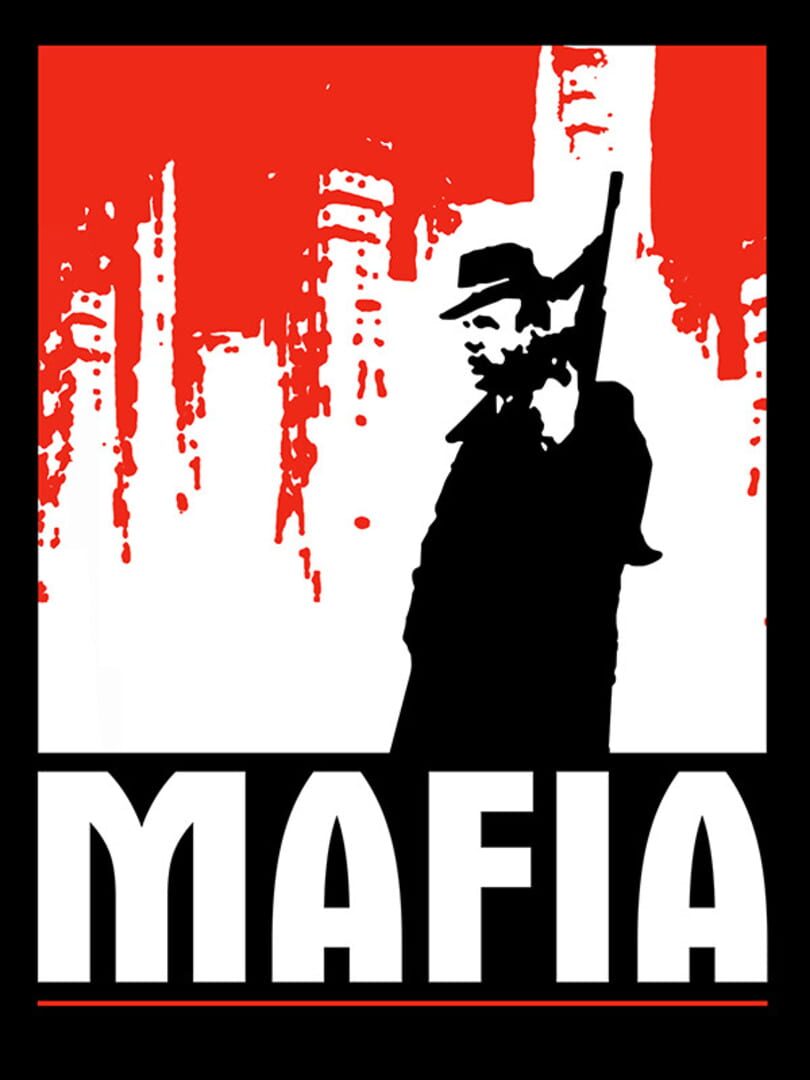
Released in August 2002, Mafia (often subtitled The City of Lost Heaven) arrived at a pivotal moment in gaming history. Arriving shortly after Grand Theft Auto III popularized 3D open-world design, Mafia took a radically different path. Rather than prioritizing sandbox mayhem, it delivered a grounded, cinematic, and uncompromisingly realistic depiction of 1930s organized crime. Set in the fictional American metropolis of Lost Heaven during the Great Depression and Prohibition era, the game established a gold standard for narrative depth in action gaming.
Developer
Mafia was developed by Czech studio Illusion Softworks (later rebranded as 2K Czech) and published by Gathering of Developers. Led by writer and director Daniel Vávra, the development team focused on historical authenticity, sophisticated physics, and mature storytelling. Their meticulous effort established Illusion Softworks as a major player in international game development, paving the way for the entire Mafia franchise.
Story and Narrative
The narrative is the undeniable crown jewel of Mafia (2002). Players take on the role of Tommy Angelo, a humble cab driver who is inadvertently drawn into the underworld after helping two mobsters escape a hit. The story is framed through a series of flashbacks as Tommy confesses his life of crime to Detective Norman in a secluded diner.
Over a decade-long storyline spanning from 1930 to 1938, players witness Tommy's rise within the Salieri crime family, led by Don Salieri, as they wage a brutal war against rival Don Morello. The narrative deals with loyalty, morality, betrayal, and the inevitable consequences of violence. Unlike typical action games of its era, Mafia treats its characters with cinematic complexity, making Tommy's journey deeply personal and tragic.
Graphics, Sound, and Atmosphere
For a game released in 2002, Mafia was a technical marvel. Powered by the proprietary LS3D engine, the game featured breathtaking draw distances, realistic dynamic lighting, detailed character models, and advanced vehicle deformation physics. The city of Lost Heaven felt alive with public transport systems like trams and elevated trains, distinct municipal districts, and authentic 1930s architecture.
Complementing the visuals is an unforgettable soundtrack featuring period-accurate jazz from artists like Django Reinhardt and Louis Prima, alongside an iconic, sweeping orchestral score composed by Vladimír Šimůnek that amplifies the game's dramatic moments.
Platforms Where It Is Playable
Originally developed as a PC exclusive, Mafia was later ported to console platforms with varied results:
- PC (Microsoft Windows): The definitive original experience, featuring the best graphics, draw distance, and control precision.
- PlayStation 2 (2004): Ported with lower resolution textures, reduced framerates, and trimmed content.
- Xbox (2004): Performed slightly better than the PS2 version, but still lagged behind the PC release.
- Modern Digital Platforms: Today, the original 2002 PC game is available digitally on platforms like GOG and Steam, restored with modern OS compatibility.
Final Recommendation
Score: 9/10
Mafia (2002) remains a monumental achievement in video game narrative design. While its realistic driving physics, strict traffic laws, and punishing difficulty (including the infamous race mission) may present a challenge for modern players, the game's rich story, phenomenal atmosphere, and memorable characters make it an essential play for retro gaming enthusiasts and narrative lovers alike. It is highly recommended to play the original PC version on Steam or GOG to appreciate the foundational masterpiece that launched a legendary franchise.

