Introduction & Historical Context
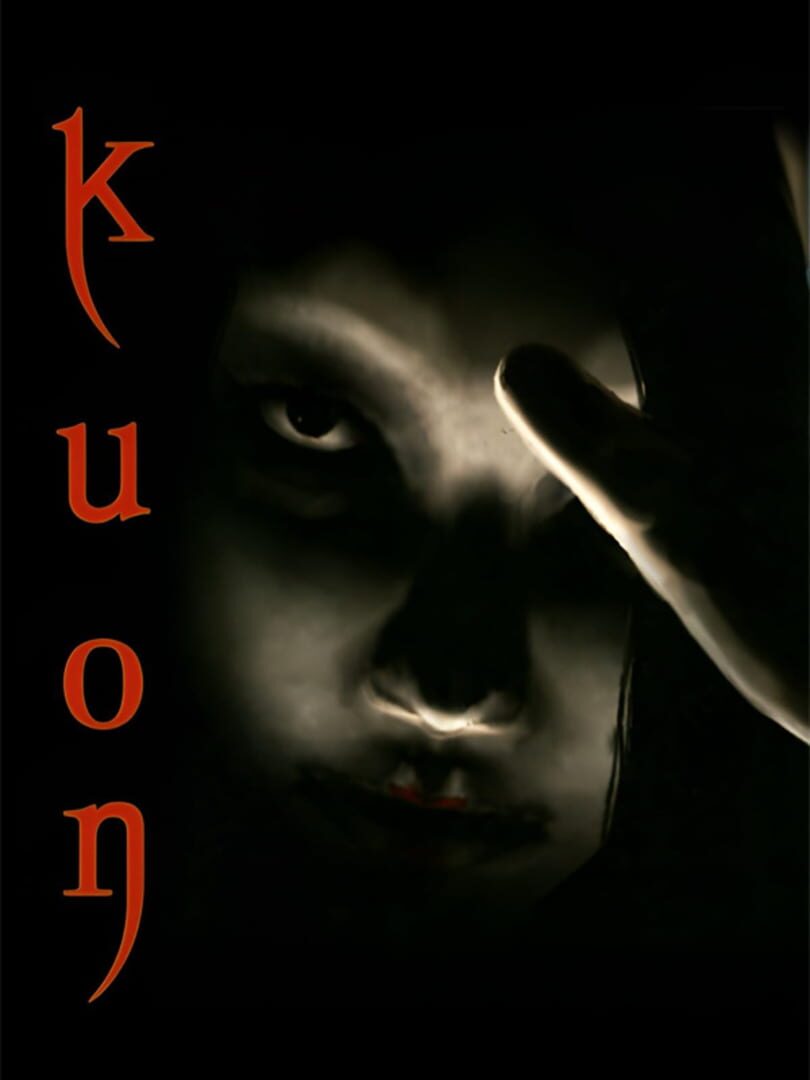
Long before FromSoftware redefined the gaming industry with Demon's Souls, Dark Souls, and Elden Ring, the Japanese studio experimented with a wide variety of niche genres. Released in 2004 for the Sony PlayStation 2, Kuon stands as one of the developer's most obscure yet fascinating titles. Set during the dark, superstitious Heian period of ancient Japan, Kuon is a survival horror game heavily inspired by traditional Japanese ghost stories (Kwaidan) and dark folklore, offering a stark contrast to western-style horror franchises like Resident Evil or Silent Hill.
Developer Insights: FromSoftware's Hidden Horror Gem
Developed by FromSoftware and published in North America by Agetec, Kuon highlights the early atmospheric storytelling and obscure world-building that would later become the studio's trademark. Directed by Atsushi Taniguchi, the game captures an oppressive sense of dread, environmental environmental storytelling, and uncompromising difficulty that fans of modern FromSoftware titles will immediately recognize in spirit.
Story and Narrative: A Haunting Heian Tale
The story of Kuon unfolds in a sinister, sprawling manor in Kyoto during the 11th century. The narrative centers around a forbidden ritual involving silk cocoons, reanimated corpses (known as Gaki), and dark Onmyodo magic. The game's narrative structure is divided into three distinct phases:
- Yin Phase: Players follow Utsuki, a young shrine maiden searching for her missing exorcist father inside the blood-soaked Fujiwara mansion.
- Yang Phase: Players control Sakuya, a talented disciple of the exorcist Doman, who investigates the dark occurrences at the estate with her fellow disciples.
- Kuon Phase: The final unlockable narrative phase allows players to control the famed historical Onmyoji, Abe no Seimei, bringing the intertwined storylines to a dramatic conclusion.
By splitting the narrative across multiple perspectives, Kuon gradually reveals the horrifying truth behind the mansion's curse and the tragic downfall of its inhabitants.
Graphics, Sound, and Gameplay Dynamics
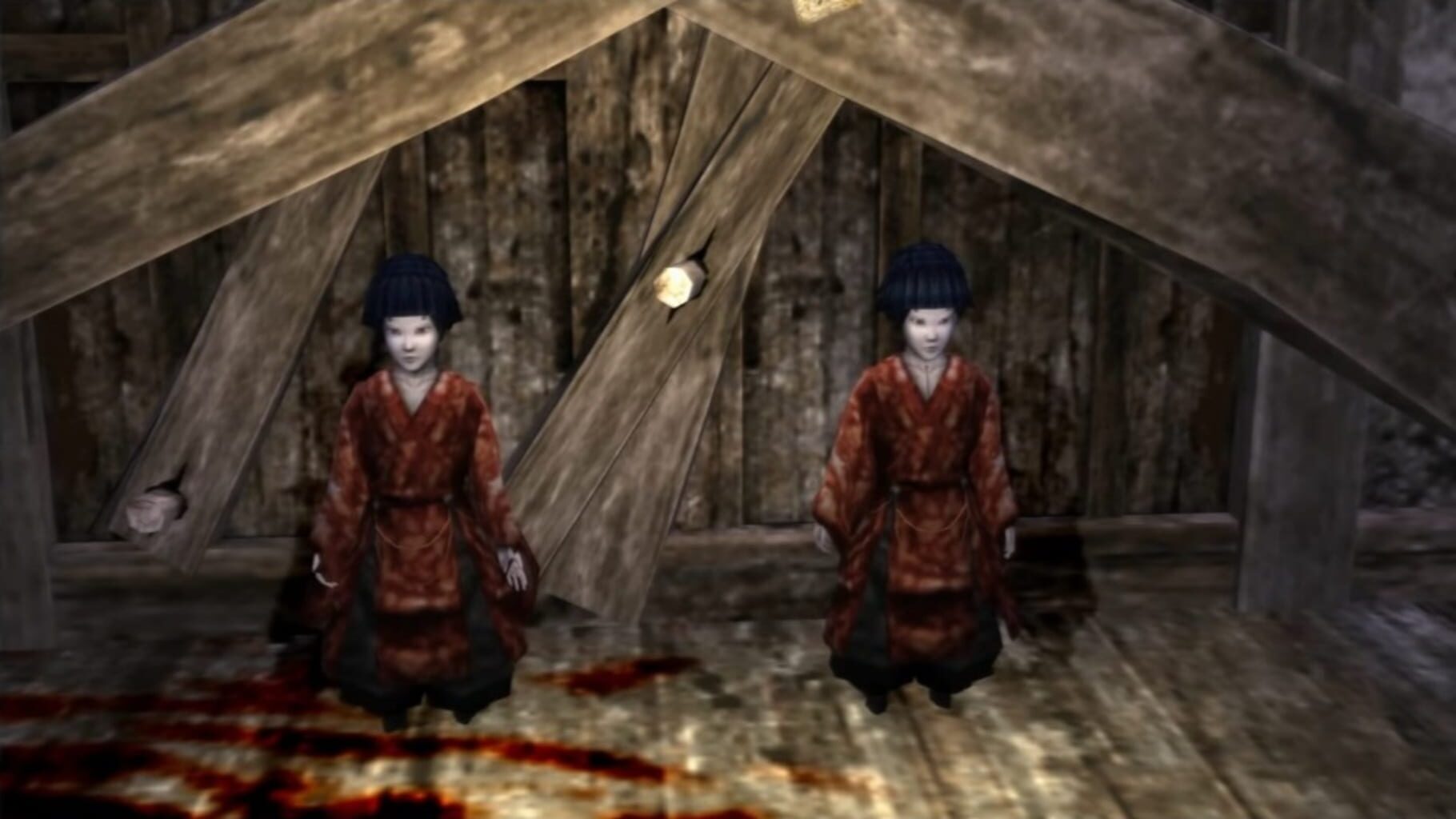
Visually, Kuon pushed the PlayStation 2 hardware to create an evocative, claustrophobic representation of ancient Japan. The traditional wooden architecture, dimmed paper lanterns, ambient fog, and gruesome monster designs evoke a sense of continuous dread. The game uses cinematic fixed camera angles to build tension and obscure lurking threats.
Audio design in Kuon is equally crucial. Instead of heavy orchestral scores, the game uses ambient silence, creaking floorboards, unsettling traditional Japanese instrumentation, and eerie child laughter to keep players perpetually on edge. Gameplay combines exploration, puzzle-solving, physical melee combat, and a unique magic card system where players cast summoning spells and offensive charms.
Platforms: Where Can You Play Kuon Today?
Kuon was released exclusively for the PlayStation 2. Because the game had a limited production run in North America and Europe, finding an original copy today can be difficult and costly.
| Platform | Availability Status | Details |
|---|---|---|
| PlayStation 2 | Physical Disc Only | Extremely rare; physical copies sell for high prices on collector markets. |
| PC (Emulation) | Unofficial Playability | Playable via PS2 emulation software (PCSX2) using original disc dumps. |
| Modern Consoles (PS5, Xbox, Switch) | Not Available | There are currently no official digital remasters, ports, or re-releases. |
Final Verdict & Recommendation
Kuon is a captivating piece of survival horror history and an essential chapter in FromSoftware's legacy. While its tank controls and slower pacing reflect the design conventions of the mid-2000s, its incredible atmosphere, rich Heian folklore, and multi-layered narrative make it an unforgettable experience for horror aficionados.
Final Recommendation: Highly recommended for fans of traditional Japanese horror games like Fatal Frame and Siren, as well as gaming historians interested in FromSoftware's early catalog.