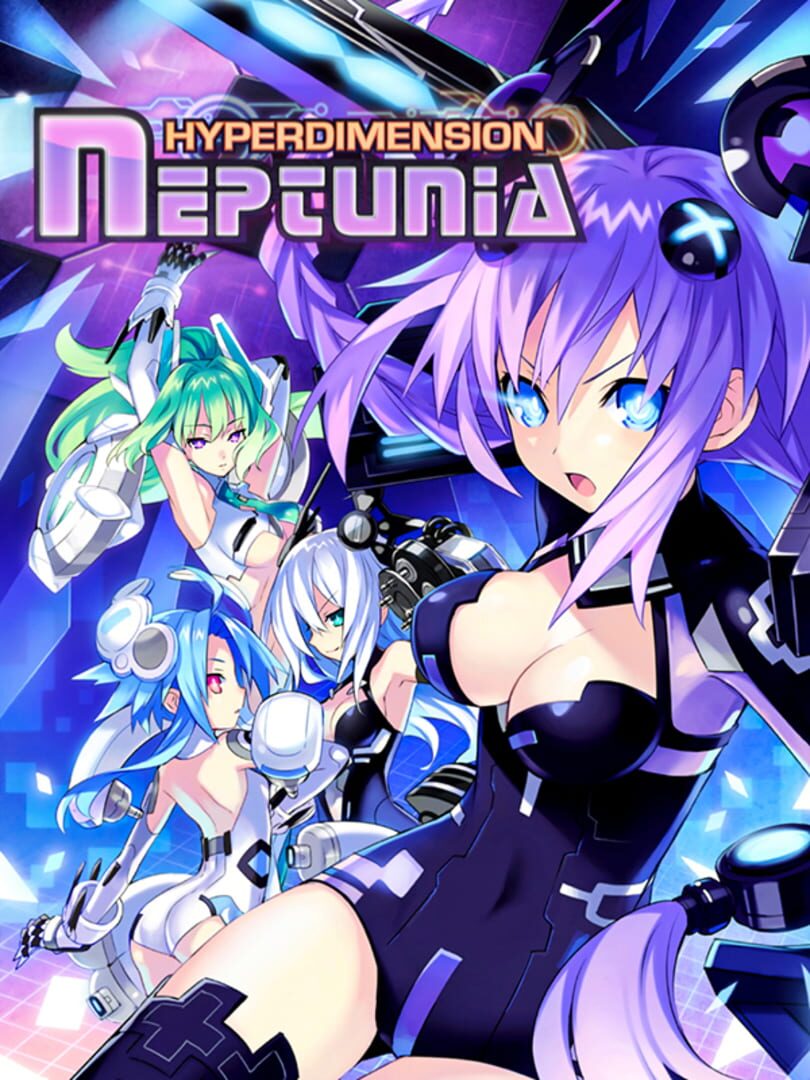
When Hyperdimension Neptunia debuted on the PlayStation 3 in 2010, it brought a refreshingly unique concept to the Japanese Role-Playing Game (JRPG) genre. Rather than placing players in a traditional high-fantasy realm or a gritty post-apocalyptic future, the game transformed the real-world video game industry and the famous 'Console Wars' into a playful, self-aware meta-narrative.
Developer & Background Context
Developed jointly by Compile Heart and Idea Factory, Hyperdimension Neptunia was released in Japan in August 2010 and subsequently published in Western territories by NIS America in early 2011. Compile Heart aimed to create an RPG that directly parodied gaming culture, hardware manufacturers, and software piracy. The success of this initial release birthed an expansive multi-media franchise including sequels, spin-offs, light novels, and an anime adaptation.
Story and Narrative: Gamindustri & The Console War
The game takes place in the world of Gamindustri, which is divided into four distinct landmasses ruled by Goddesses known as CPUs (Console Processing Units):
- Planeptune: Ruled by Neptune (representing a canceled Sega console).
- Lastation: Ruled by Noire (representing the Sony PlayStation).
- Leanbox: Ruled by Vert (representing the Microsoft Xbox).
- Lowee: Ruled by Blanc (representing the Nintendo Wii).
The story begins in the middle of the endless 'Console War.' Neptune is defeated by the other three CPUs, cast down to Planeptune, and stripped of her memories. Guided by a mysterious voice named Histoire, Neptune embarks on a quest across Gamindustri to regain her powers and stop the nefarious Arfoire—a character representing flashcards and video game piracy—from destroying the world.
Graphics and Visual Style
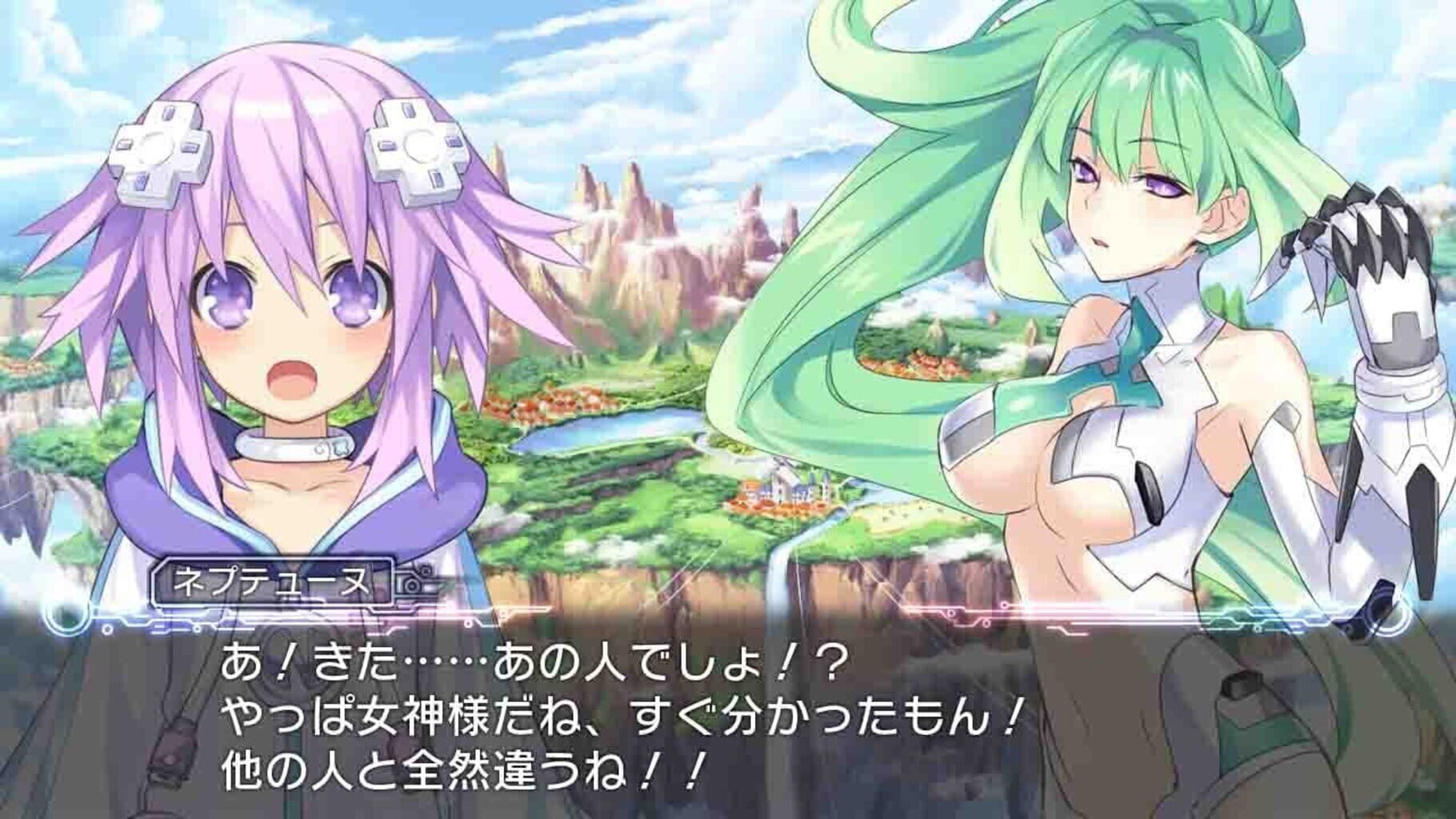
Visually, Hyperdimension Neptunia features a vibrant anime aesthetic. The 2D character portraits designed by artist Tsunako are expressive and detailed, serving as the primary vehicle for story delivery in a visual novel format. The 3D models during combat and dungeon exploration were decent for a mid-budget 2010 PS3 title, though the dungeon environments suffer from repetitive textures and asset recycling. Despite technical limitations, the flashiness of special moves and transformation sequences (HDD mode) gives the game plenty of visual flare.
Platforms & Where to Play
The original 2010 version of Hyperdimension Neptunia was released exclusively for the PlayStation 3. However, modern players have several options to experience this story due to remakes and re-releases:
- PlayStation 3: The original 2010 release (physical disk and PSN).
- PC (Steam) & PS Vita: Available as Hyperdimension Neptunia Re;Birth1, a complete remake featuring overhauled combat, improved graphics, and rewritten dialogue.
- PlayStation 5: Re-imagined as Neptunia ReVerse, an enhanced port of the Re;Birth1 remake.
Game Specifications Overview
| Attribute | Details |
|---|---|
| Developer | Compile Heart, Idea Factory |
| Publisher | NIS America (Original Western Release) |
| Initial Release Date | August 19, 2010 (Japan) / February 2011 (Worldwide) |
| Original Platform | PlayStation 3 |
| Genre | Turn-Based JRPG / Metanarrative Parody |
Final Verdict & Recommendation
Hyperdimension Neptunia (2010) remains a historic cult classic that boldly turned the video game industry's rivalries into a charming RPG experience.
Recommendation: While the original 2010 PS3 release suffers from clunky battle mechanics, strict healing limitations, and repetitive dungeons, its witty satire, pop-culture references, and iconic characters make it worth appreciating. For the best gameplay experience today, we recommend playing the Re;Birth1 remake on PC or PS Vita. However, for RPG historians and hard-core collectors, searching out the original 2010 PS3 release is a fascinating trip back to the start of a legendary niche series.