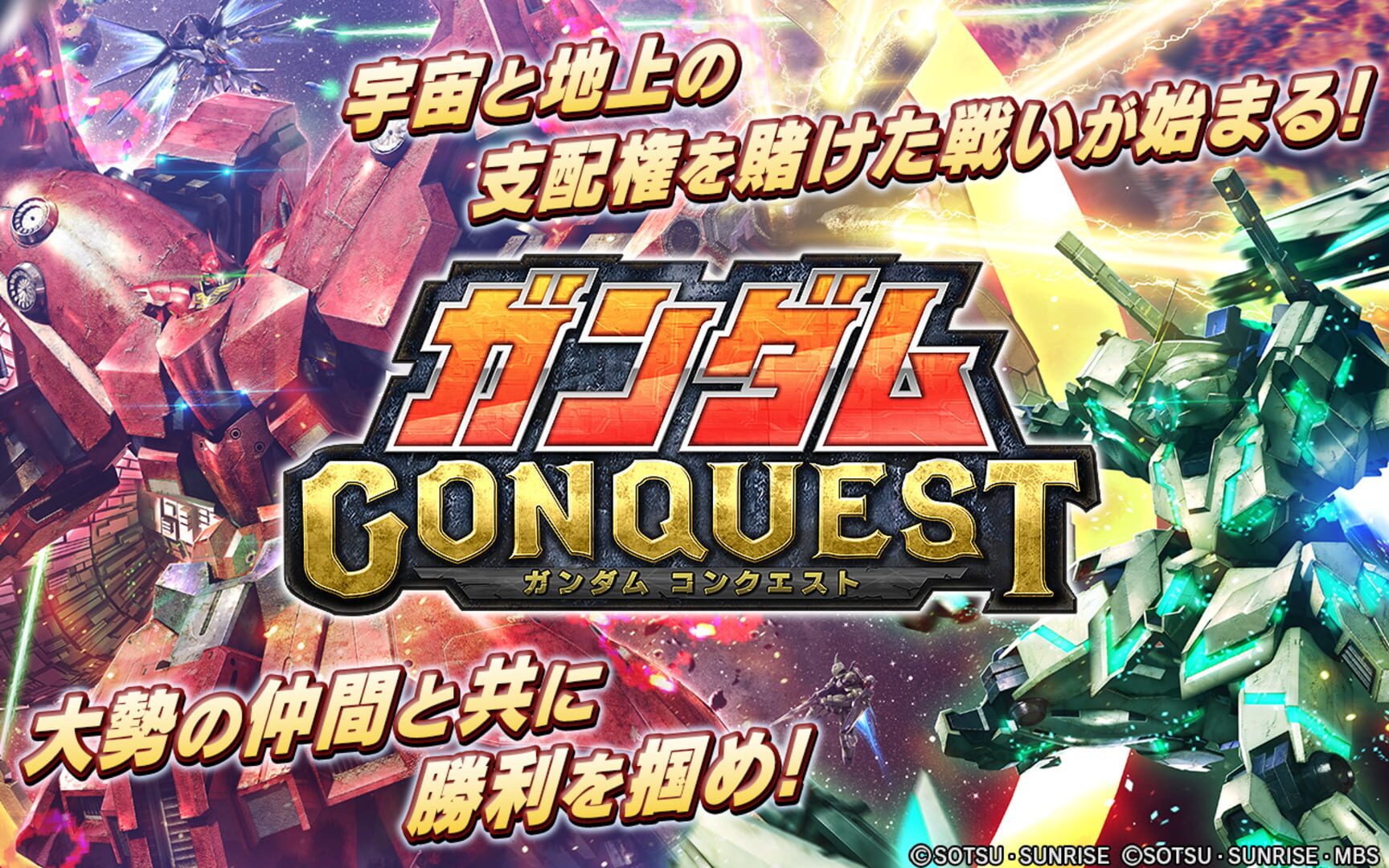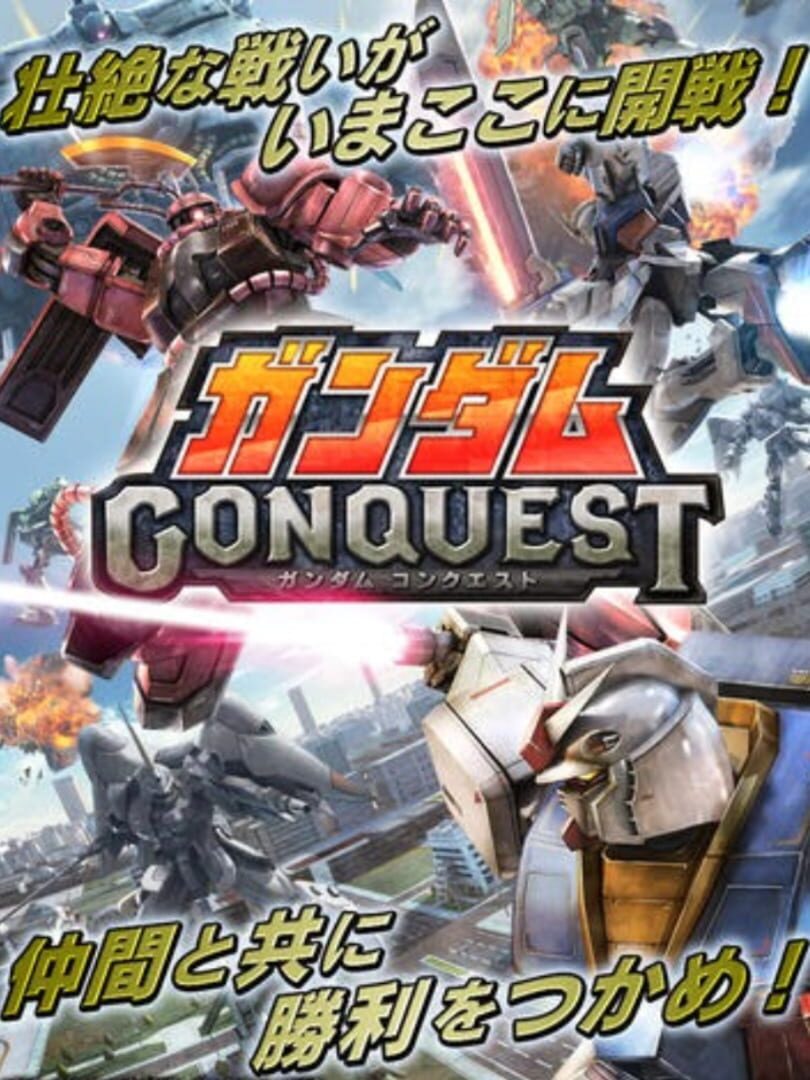
Introduction to Gundam Conquest
Released in late 2013, Gundam Conquest offered a unique fusion of empire-building strategy and real-time 3D mecha action. Developed as a collaborative project, the title aimed to bring the massive scale of the multi-generational Gundam multiverse to mobile devices and handheld consoles. In this comprehensive review, we examine the game's context, story elements, visual fidelity, developer background, platform availability, and final verdict.
Context and Gameplay Structure
During the early 2010s, free-to-play mobile strategy games were experiencing rapid growth. Gundam Conquest adapted the proven formula of Sega's popular Kingdom Conquest series and overlaid it with the rich lore of Bandai Namco's flagship mecha franchise. The gameplay was divided into two distinct components:
- Base Simulation Mode: Players developed their colony, managed resources, built facilities, and commanded fleets to expand territory across a shared war map.
- Action Unit Mode: Players piloted individual Mobile Suits in 3D action missions, directly battling enemy forces and bosses to earn resources and upgrade components.
Story and Narrative Integration
Because Gundam Conquest was designed as a faction-based multiplayer experience, its narrative focused on cross-universe war rather than a strict linear storyline. Players aligned themselves with one of four major factions representing legendary Gundam eras:
- Blue Faction: Earth Federation (Universal Century)
- Red Faction: Principality of Zeon (Universal Century)
- Green Faction: OMNI Enforcer / ZAFT (Gundam SEED)
- Yellow Faction: Celestial Being (Gundam 00)
The narrative was driven by ongoing faction wars where players collectively fought for territory. While traditional cutscenes were minimal, the game offered heavy fanservice through iconic pilot dialogue, historical unit descriptions, and special event scenarios based on famous anime battles.
Graphics and Visual Performance
For a mobile title released in 2013, Gundam Conquest presented an impressive visual blend. The simulation screens utilized clean, responsive 2D graphics and artwork illustrated by renowned mecha artists. The 3D action segments featured surprisingly detailed Mobile Suit models with customized attack animations and special effects.
While the environments in the action mode were somewhat simplistic to maintain smooth performance on hardware of that era, the mecha designs themselves remained faithful to their anime counterparts. Sound design was equally strong, featuring authentic weapon sounds and voice acting from original series cast members.
Developer and Publisher Details
Gundam Conquest was co-developed by Bandai Namco Online and Sega, leveraging Sega's expertise in server-based strategy games and Bandai Namco's official franchise assets. It was published by Bandai Namco Entertainment.
Platforms and Service Status
The game originally launched on iOS and Android devices in Japan in December 2013. Due to its popularity, an adapted version titled Gundam Conquest V was released for the PlayStation Vita in July 2015.
Important Note: As a live-service game reliant on online servers, Gundam Conquest officially ended its service in October 2018. The game is no longer playable today on any platform.
Final Recommendation and Legacy
Gundam Conquest stands out as one of the most successful early crossover strategy games in the franchise's long digital history. It successfully merged city management with tactile 3D action battles, offering a sense of scale that kept players engaged across years of seasonal faction warfare.
Verdict: While the game can no longer be played due to server sunsetting, Gundam Conquest (2013) remains a significant milestone in mecha mobile gaming history. Fans of modern titles like Gundam UC Engage or SD Gundam G Generation ETERNAL will appreciate the foundations laid by this ambitious hybrid title.