


Introduction & Context
In late 2004, the arcade racing scene was dominated by slick street racers like Need for Speed: Underground 2 and high-speed arcade shockers like Burnout 3: Takedown. However, a quieter revolution in destruction racing was taking place in Finland. Finnish developer Bugbear Entertainment released FlatOut, a game that rejected glossy supercars in favor of rust-bucket muscle cars, dirt tracks, and unrestrained physical destruction. FlatOut carved a unique space in gaming history by combining high-stakes demolition derby mechanics with impressive soft-body physics.
Developer and Legacy
FlatOut was developed by Bugbear Entertainment and published by Empire Interactive in November 2004. Bugbear, who had previously developed Rally Trophy, utilized their extensive background in physics engine programming to push the boundaries of environmental interaction. FlatOut served as the catalyst for a successful franchise and ultimately paved the way for Bugbear's modern spiritual successor, Wreckfest.
Story and Narrative
In true arcade racing fashion, FlatOut does not feature a complex story or dramatic narrative arc. The narrative is defined purely by player ambition and career progression. Players start at the bottom of a gritty, backwoods racing circuit with a small purse of money. By purchasing a basic vehicle—ranging from worn-out sedans to rusty pickup trucks—and competing across Bronze, Silver, and Gold championship classes, players build their reputation. Winning races earns cash for critical mechanical upgrades or new cars, creating a satisfying loop of progression from backyard mechanic to track champion.
Graphics, Sound, and Physics Mechanics
For a game released in 2004, FlatOut was a technical marvel. The proprietary physics engine allowed every race track to feel alive and dangerous, featuring dynamic objects that stayed scattered across the track for all remaining laps.
Key technical aspects include:
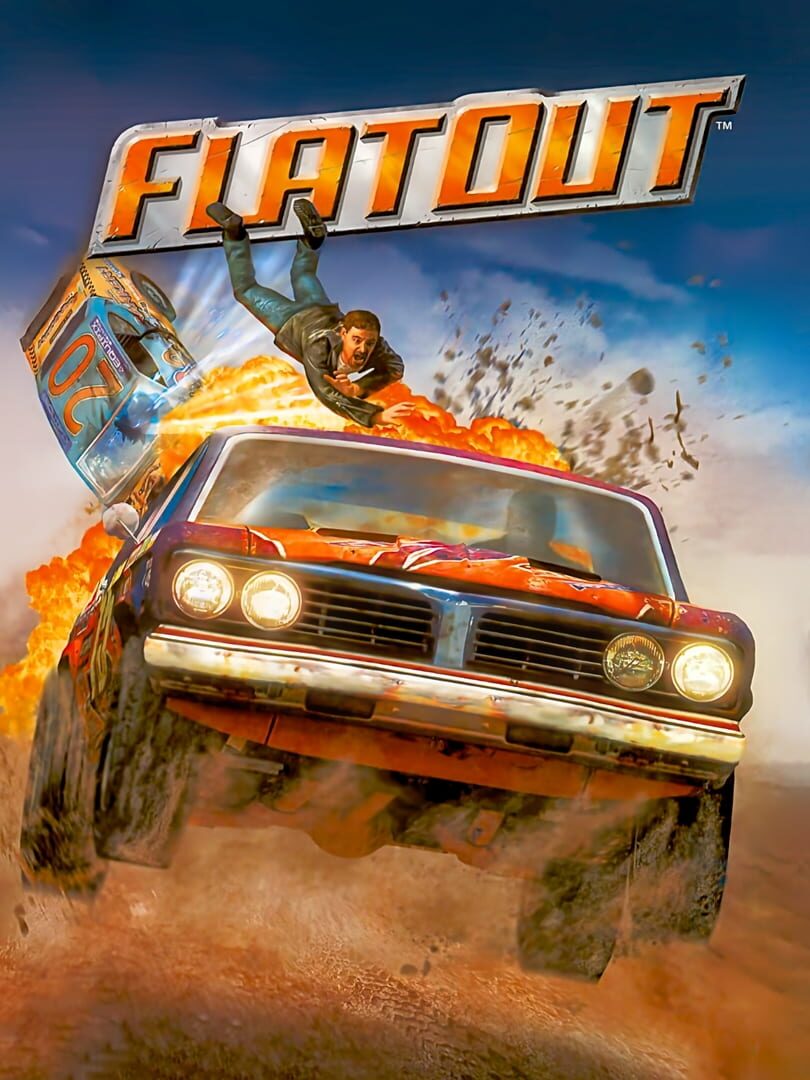
- Ragdoll Driver Ejection: The defining visual gimmick of FlatOut was its hilarious ragdoll driver physics. Hitting a wall at top speed launched the driver through the front windshield, flinging them across the environment.
- Interactive Environments: Fences, wooden sheds, tire stacks, water barrels, and scaffolding could be smashed into thousands of persistent debris pieces.
- Vehicle Damage Model: Cars dynamically crumpled, twisted, and shed hoods, doors, and bumpers depending on the impact point and force.
- Audio & Visuals: Crisp textures, dust and spark particle effects, and a hard-hitting alt-rock soundtrack featuring bands like Submersed, Amplifire, and No Connection complemented the muddy, high-octane visual tone.
Playable Platforms
FlatOut brought its unique brand of destruction across multiple platforms during its initial release and subsequent digital re-releases:
- Microsoft Windows (PC)
- PlayStation 2
- Xbox
- macOS and Linux (via later digital distribution platforms such as Steam and GOG)
Bonus Gameplay: Ragdoll Stunt Events
Beyond traditional track races and Demolition Derby arenas, FlatOut introduced the beloved Ragdoll Stunt Mini-Games. Leveraging the driver ejection mechanic, players pitched their ejected driver into bizarre Olympic-style events including High Jump, Long Jump, Bowling, Darts, and Crown Royal. These modes turned dynamic ragdoll physics into a addictive party game experience.
Final Verdict & Recommendation
FlatOut (2004) remains a standout achievement in the history of racing video games. While its steep difficulty curve and sensitive physics handling may challenge modern players used to hand-holding arcade drivers, its structural damage modeling and chaotic gameplay remain immensely fun.
Pros & Cons
| Pros | Cons |
|---|---|
| Pioneering dynamic physics and track destruction | Aggressive and sometimes unfair AI handling |
| Unforgettable ragdoll stunt mini-games | Steep learning curve for casual players |
| Great sense of weight, speed, and impact | No overarching narrative or character depth |
Final Recommendation: 8.5/10 — FlatOut is a must-play for fans of retro racing, physical destruction engines, and classic PS2/Xbox era arcade titles. If you enjoyed Burnout, Destruction Derby, or Wreckfest, experiencing the original entry that started it all is highly recommended.

