Introduction: The Arcade Titan of 1989
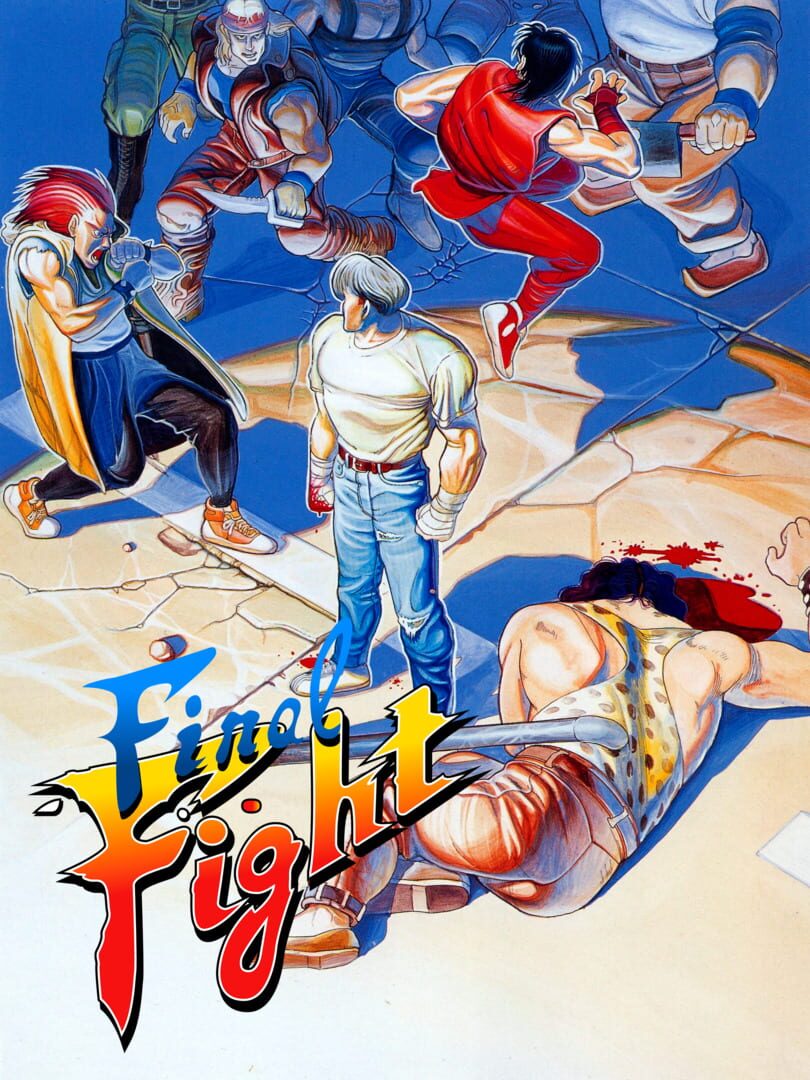
When Capcom released Final Fight in late 1989, it redefined the side-scrolling beat 'em up genre forever. Originally conceived as a direct sequel to the original Street Fighter (and briefly titled Street Fighter '89), the game evolved into its own distinct, hard-hitting experience that set the benchmark for arcade action throughout the 1990s.
Developer and Historical Context
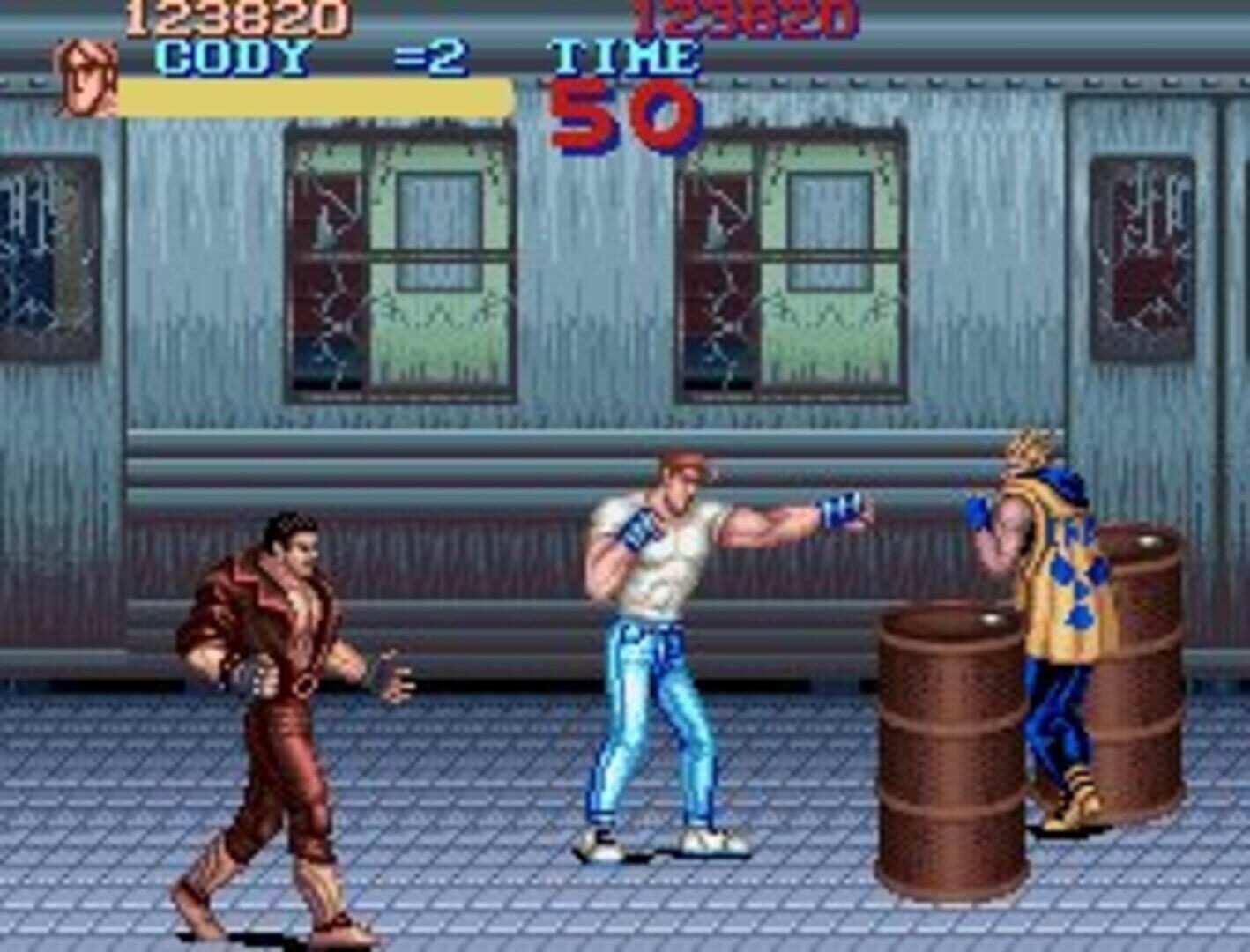
Developed and published by Capcom under the guidance of key designers Yoshiki Okamoto and Akira Nishitani, Final Fight was engineered for Capcom's powerful CPS-1 (Capcom Play System) hardware. The hardware allowed Capcom to create unprecedentedly large character sprites, detailed urban backgrounds, and simultaneous multi-character action that amazed arcade-goers worldwide.
Story and Narrative: The Battle for Metro City
The story of Final Fight delivers classic late-80s action movie vibes:
blockquote>Metro City is plagued by unchecked crime under the control of the notorious Mad Gear Gang. When the newly elected mayor—former professional wrestler Mike Haggar—refuses to succumb to corruption, the gang kidnaps his daughter, Jessica. Joined by Jessica's boyfriend Cody and Cody's training partner Guy, Mayor Haggar hits the streets to take back his city block by block.
Though simple, the narrative established iconic character archetypes that eventually crossed over into the broader Street Fighter universe.
Graphics, Sound, and Gameplay
Visually and aurally, Final Fight was light-years ahead of its contemporaries in 1989:
- Graphics: Massive, fluidly animated character sprites gave attacks genuine weight and impact. Environments ranged from gritty subway cars and neon-lit alleys to opulent mansions.
- Sound Design: The audio featured crunching hit sound effects and a memorable, synth-heavy soundtrack that captured the tense energy of Metro City.
- Gameplay Mechanics: Introducing the classic pick-up weapons system (knives, pipes, swords), health-costing special crowd-control moves, and breakable environmental elements.
Playable Platforms: Where to Play Final Fight
While originally an arcade exclusive, Final Fight has been ported to many home platforms over the decades:
| Platform | Version | Key Features |
|---|---|---|
| Arcade (CPS-1) | Original (1989) | The complete 2-player arcade experience. |
| Super Nintendo (SNES) | Port (1990) | Single-player only; missing the Guy character and Industrial area. |
| Sega CD | Final Fight CD (1993) | Features full co-op, full roster, and an arranged CD audio soundtrack. |
| Capcom Arcade Stadium | Modern Digital Port | Pixel-perfect arcade emulation available on PC, Switch, PS4, and Xbox One. |
Final Recommendation & Verdict
Final Fight (1989) remains a foundational masterpiece of video game history. Its intuitive controls, satisfying hit responses, and timeless art style hold up remarkably well today. Whether played via modern collections or classic hardware, it is a must-play for fans of beat 'em ups and arcade history.
Final Verdict: 9/10 — An essential arcade classic that shaped beat 'em up history.