


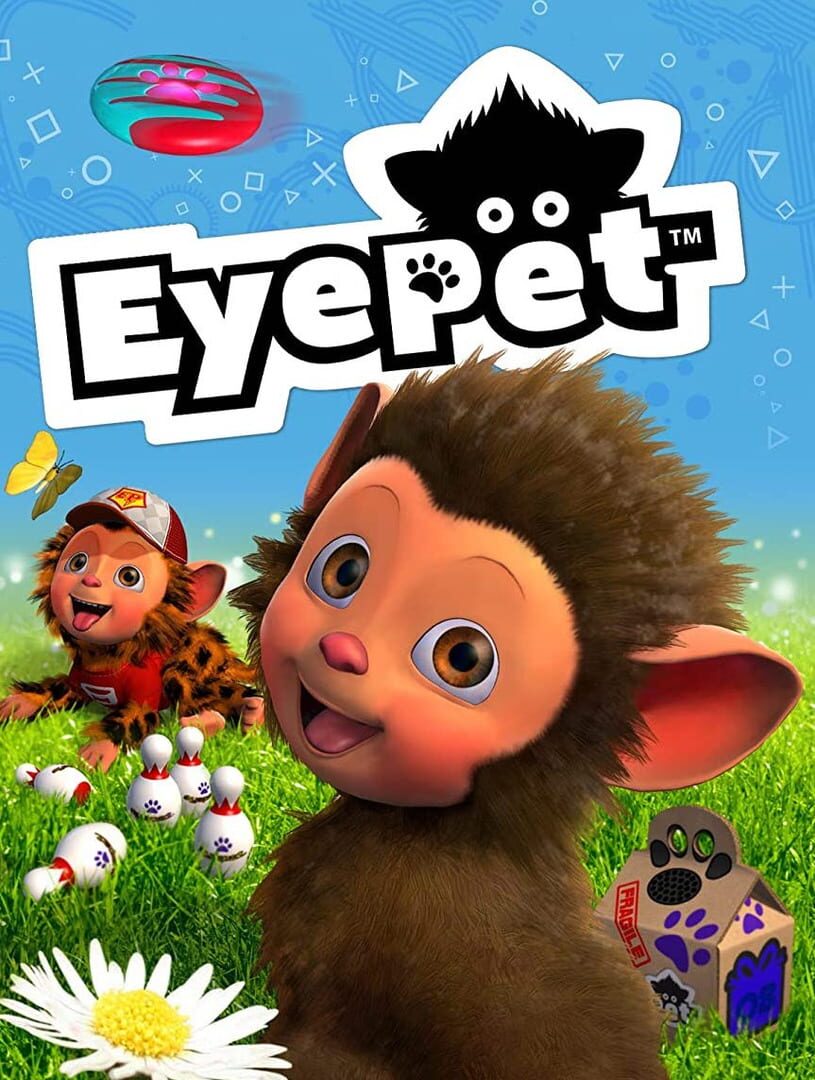
Understanding EyePet (2009): An Augmented Reality Pioneer
Released in 2009 during the height of motion-control and camera-based gaming experimentation, EyePet emerged as a flagship augmented reality (AR) title for the PlayStation 3. Developed by Sony's renowned London Studio, the game aimed to bring a lifelike virtual pet into the player's living room using the PlayStation Eye camera.
Developer and Historical Context
SCE London Studio, famous for push-the-envelope camera experiences like the EyeToy series on PlayStation 2, brought their technical expertise to EyePet. Published by Sony Computer Entertainment, the game represented a bold step forward in consumer-level augmented reality, demonstrating what the PS3 hardware could achieve when blending live video feeds with interactive 3D rendering.
Gameplay, Interactive Concept, and Narrative
Unlike traditional story-driven games, EyePet lacks a central narrative or linear campaign. Instead, the game operates as an interactive virtual pet simulator guided by an off-screen scientist character who instructs the player on how to care for, train, and play with their creature.
- Daily Challenges: Players complete a 15-day pet care program to unlock new toys, outfits, and styling options.
- Augmented Interaction: Using a physical Magic Card (a printed marker tracked by the camera), players transform real-world objects into virtual tools like shower heads, trampolines, and hairdryers.
- Drawing to Life: One of the game's most impressive mechanics allows players to draw vehicles or toys on a physical piece of paper, which the PlayStation Eye scans and renders as a playable 3D object inside the game.
Graphics, Animation, and Camera Mechanics
For a 2009 title, EyePet featured impressive visual tech. The creature itself boasted highly detailed dynamic fur physics that reacted to virtual wind, washing, and petting. Shadowing and lighting attempted to mimic the ambient light of the player's actual room, creating a surprisingly believable illusion of presence. While the camera resolution of the PlayStation Eye limited the crispness of the background video feed, the 3D pet model integrated smoothly into the environment.
Playable Platforms
EyePet was originally designed for and released on specific Sony platforms:
- PlayStation 3: The primary platform, utilizing the PlayStation Eye camera and later updated to support the PlayStation Move motion controller.
- PlayStation Portable (PSP): Released in 2010 as EyePet (PSP), utilizing the PSP Camera peripheral to bring the AR experience to a handheld format.
Final Verdict and Recommendation
EyePet (2009) remains a charming historical artifact of the PS3 era. While its lack of narrative depth and occasional camera calibration frustrations prevent it from being a deep gaming experience, its innovative use of augmented reality makes it an intriguing title for retro collectors, tech enthusiasts, and younger players. If you have a working PlayStation 3 and PlayStation Eye camera, EyePet is a fun, nostalgic piece of gaming history well worth experiencing.

