


The dark fantasy saga of Nosgoth remains one of the most celebrated achievements in video game storytelling. Defined by Shakespearean dialogue, intricate time-travel paradoxes, and the tragic journey of the wraith Raziel, the Soul Reaver line of games elevated action-adventure titles during the late 1990s and early 2000s. Led by brilliant narrative design and unforgettable voice acting, the series left an indelible mark on gaming history.
While every entry contributes significantly to the overarching mythos of Kain and Raziel, certain titles succeeded more than others in blending narrative ambition with fluid gameplay. Below is the definitive ranking of every game in the saga, ordered from worst to best.
5. Blood Omen 2
Released in 2002, Blood Omen 2 takes a detour from Raziel's journey to focus on an alternate timeline featuring a younger, more brutal Kain. Set in an industrial, steampunk-infused vision of Nosgoth, the game attempts to deliver a stealth-action combat system centered on vampire abilities.
While Kain's arrogant charisma remains a highlight, Blood Omen 2 suffers from clunky combat mechanics, repetitive level design, and a narrative that feels disconnected from the core time-loop tragedy established in the main storyline. It stands as an entertaining action game for hardcore fans, but it is undoubtedly the weakest entry in the overall franchise.

4. Blood Omen: Legacy of Kain
The top-down 2D action RPG that started it all in 1996, Blood Omen: Legacy of Kain introduced players to the doomed realm of Nosgoth and its antihero, the nobleman Kain. Driven by revenge after being murdered and resurrected as a vampire, Kain seeks a cure only to become embroiled in a dark quest for ultimate authority.
Though heavily dated by modern standards due to frequent loading screens and rigid top-down combat, Blood Omen: Legacy of Kain excels in atmosphere, world-building, and voice talent. It established the gothic tone, complex morality, and intricate lore that laid the groundwork for the legendary Soul Reaver spin-offs.

3. Legacy of Kain: Defiance
Serving as the grand finale to the franchise, Legacy of Kain: Defiance brings the twin protagonists together by allowing players to control both Kain and Raziel in alternating chapters. The game shifted toward a modern, hack-and-slash combat system inspired by contemporary action titles, giving both characters flashy combos and telekinetic powers.
While fixed camera angles and repetitive puzzle structures occasionally hamper the experience, Legacy of Kain: Defiance delivers an immensely satisfying narrative payoff. Resolving decades of prophecies, fate manipulation, and character arcs, it provides Raziel and Kain with one of the most emotional and poetic endings in video game history.
2. Soul Reaver 2
Picking up immediately after the cliffhanger ending of its predecessor, Soul Reaver 2 crafts a dense, atmospheric narrative focused heavily on temporal paradoxes and destiny. Raziel pursues Kain through different eras of Nosgoth's history, uncovering horrifying truths about his past as a Sarafan inquisitor and the true nature of his spectral blade.
Visually stunning for its time on the PlayStation 2, Soul Reaver 2 refined the planar-shifting mechanics and puzzle design of the original. Although it traded some of the original game's open-world exploration for a more linear progression path, its flawless script, philosophical depth, and flawless voice performances make it an absolute masterclass in narrative design.
1. Legacy of Kain: Soul Reaver
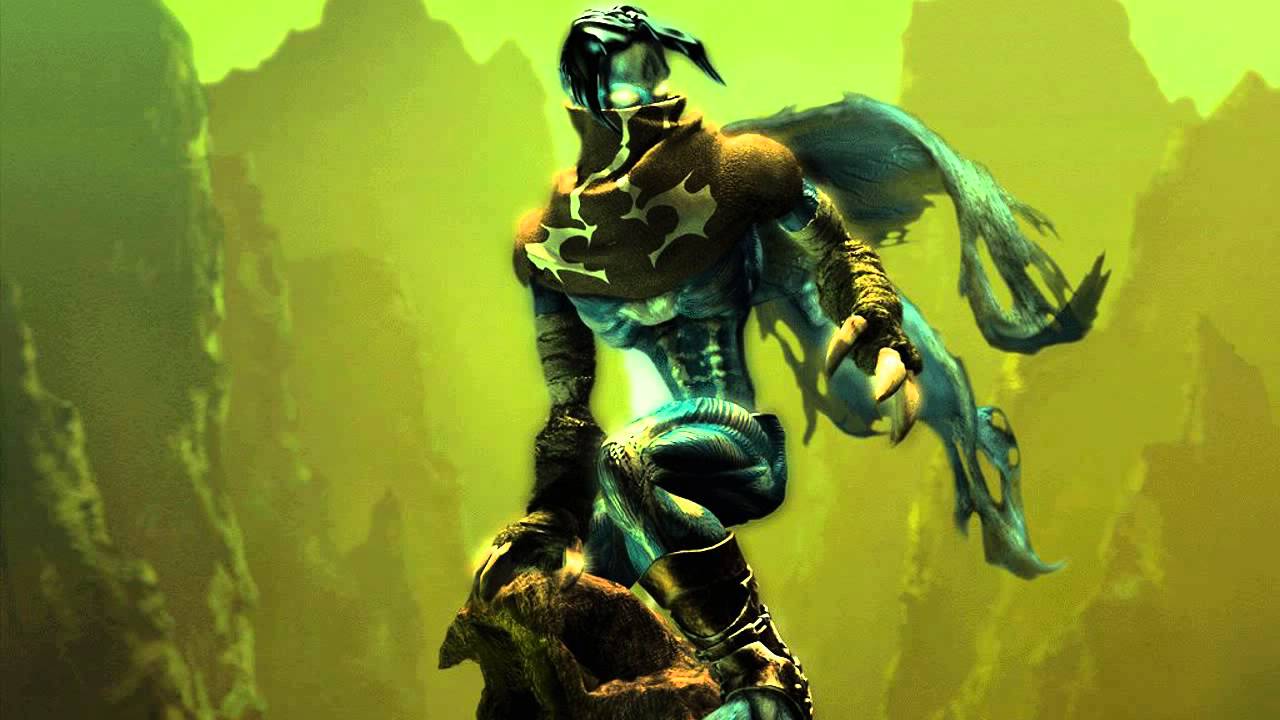
Taking the top spot is the 1999 masterpiece Legacy of Kain: Soul Reaver. Directed by Amy Hennig, this groundbreaking 3D action-adventure game reinvented the series by introducing Raziel, a resurrected vampire lieutenant betrayed by his master, Kain. Cast into the Abyss and transformed into a soul-devouring wraith, Raziel embarks on an epic quest for vengeance across a ruined Nosgoth.
Legacy of Kain: Soul Reaver was revolutionary for its era, featuring seamless loading transitions between massive environments and a dual-realm mechanic that allowed Raziel to shift instantly between the Material and Spectral planes to solve environmental puzzles. Combining intricate level architecture, dark atmospheric storytelling, and unforgettable boss encounters against Raziel's mutated brothers, Legacy of Kain: Soul Reaver remains the undisputed pinnacle of the franchise.
Frequently Asked Questions
What order should I play the Soul Reaver games in?
To experience the story chronologically from a release and narrative standpoint, you should play the games in this order:
- 1. Blood Omen: Legacy of Kain
- 2. Legacy of Kain: Soul Reaver
- 3. Soul Reaver 2
- 4. Blood Omen 2
- 5. Legacy of Kain: Defiance
Can you play Soul Reaver without playing Blood Omen first?
Yes, you can easily start with Legacy of Kain: Soul Reaver. The opening cinematic provides all the context needed regarding Kain's empire and Raziel's execution, making it a great entry point for new players.
What makes the gameplay in Soul Reaver unique?
The defining feature of the Soul Reaver games is the ability to shift dynamically between the Material Plane and the Spectral Plane. Shifting realms alters geometry, water physics, and enemy types, forming the core logic behind the series' iconic puzzle design.
Final Thoughts
The Soul Reaver series remains a standout triumph in gothic fantasy gaming. Through complex characters, incredible voice acting by Michael Bell and Simon Templeman, and innovative realm-shifting mechanics, the story of Raziel and Kain continues to inspire action-adventure titles decades after its release.
