


For over three decades, Atlus has redefined the Japanese role-playing game genre with the uncompromising, post-apocalyptic darkness of the Shin Megami Tensei series. Known for intricate demon negotiation, brutal Turn-Based Press Turn combat, and philosophical narrative alignments between Law, Chaos, and Neutrality, mainline SMT games offer an experience distinct from spin-offs like Persona.
With dozens of releases across multiple console generations, determining which entry reigns supreme can be daunting for newcomers and veteran RPG fans alike. This definitive ranking covers every mainline entry in the core Shin Megami Tensei franchise, evaluating them based on gameplay mechanics, story depth, dungeon design, and overall impact.
How the Mainline SMT Games Were Ranked
Our evaluation focuses strictly on mainline releases and major expanded versions. Key elements considered include the flexibility of the demon fusion system, combat pacing, atmosphere, soundtrack quality, and dungeon architecture. Below is the ultimate countdown from worst to best.
8. Shin Megami Tensei: NINE
8. Shin Megami Tensei: NINE
Released exclusively in Japan for the original Xbox in 2002, Shin Megami Tensei: NINE was Atlus' ambitious attempt at a real-time online RPG. Set in a virtual reality version of Tokyo after a demonic devastation, the game suffered from clunky real-time combat controls, confusing menus, and the eventual cancellation of its online multiplayer components.
Despite its flaws, Shin Megami Tensei: NINE introduced a fascinating nine-point alignment system incorporating Light and Dark axes alongside Law and Chaos. However, weak mechanical execution keeps it at the bottom of the list.
7. Shin Megami Tensei: IF...
7. Shin Megami Tensei: IF...
First released on the Super Famicom in 1994, Shin Megami Tensei: IF... shifts the scale from apocalyptic global destruction to a localized high school setting transported to the Demon Realm. This title served as the conceptual foundation for the Persona spin-off franchise.
The game introduced the Guardian system, which grants stat boosts and spells upon death based on demon fusion parameters. While innovative, its high difficulty spikes, brutal encounter rates, and heavily backtracked dungeon layouts make it a challenging play for modern audiences.
6. Shin Megami Tensei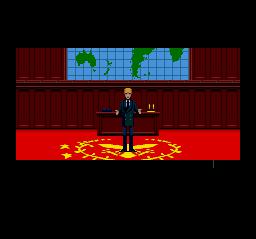
6. Shin Megami Tensei
The 1992 Super Famicom title Shin Megami Tensei laid the groundwork for everything that followed. Set in Tokyo during a demonic outbreak and military blockade, it established core series staples including first-person dungeon crawling, demon recruitment, alignment splits, and dark socio-political themes.
While historically monumental, original gameplay systems feel dated today. High random encounter rates, labyrinthine first-person dungeons, and unbalanced spell systems mean it is best appreciated today through fan translations or modern remakes.
5. Shin Megami Tensei II
5. Shin Megami Tensei II
Released in 1994, Shin Megami Tensei II directly expanded upon its predecessor's foundation. Taking place decades after Tokyo was converted into the totalitarian city of Millennium, players control Hawk, a gladiatorial fighter who uncovers a global conspiracy involving divine forces.
The game features one of the most compelling narratives in the franchise, fearlessly tackling religious dogma and societal collapse. Although combat and exploration still utilize the traditional first-person perspective with heavy backtracking, its world-building remains unmatched among early 16-bit JRPGs.
4. Shin Megami Tensei IV: Apocalypse
4. Shin Megami Tensei IV: Apocalypse
Serving as an alternate storyline occurring during the climax of Shin Megami Tensei IV, this 2016 Nintendo 3DS title introduced massive mechanical polish. Combat, map navigation, and partner systems were substantially rebalanced, delivering one of the smooth Press Turn battle systems in the franchise.
However, Shin Megami Tensei IV: Apocalypse received minor criticism for tone. Its emphasis on power-of-friendship themes diverged from the series' signature solitary, apocalyptic atmosphere. Nevertheless, its tight mechanical combat and phenomenal soundtrack earn it a top spot.
3. Shin Megami Tensei: Strange Journey
3. Shin Megami Tensei: Strange Journey
Originally released on Nintendo DS and remastered as Shin Megami Tensei: Strange Journey Redux for the 3DS, this entry takes place in Antarctica, where a mysterious void called the Schwarzwelt threatens to engulf Earth. Players step into the boots of a high-tech military agent investigating the anomaly.
With meticulous grid-based dungeon crawling, intense alignment-based Co-op attacks, and an unsettling sci-fi atmosphere, Shin Megami Tensei: Strange Journey represents the pinnacle of classic first-person SMT dungeon exploration.
2. Shin Megami Tensei V: Vengeance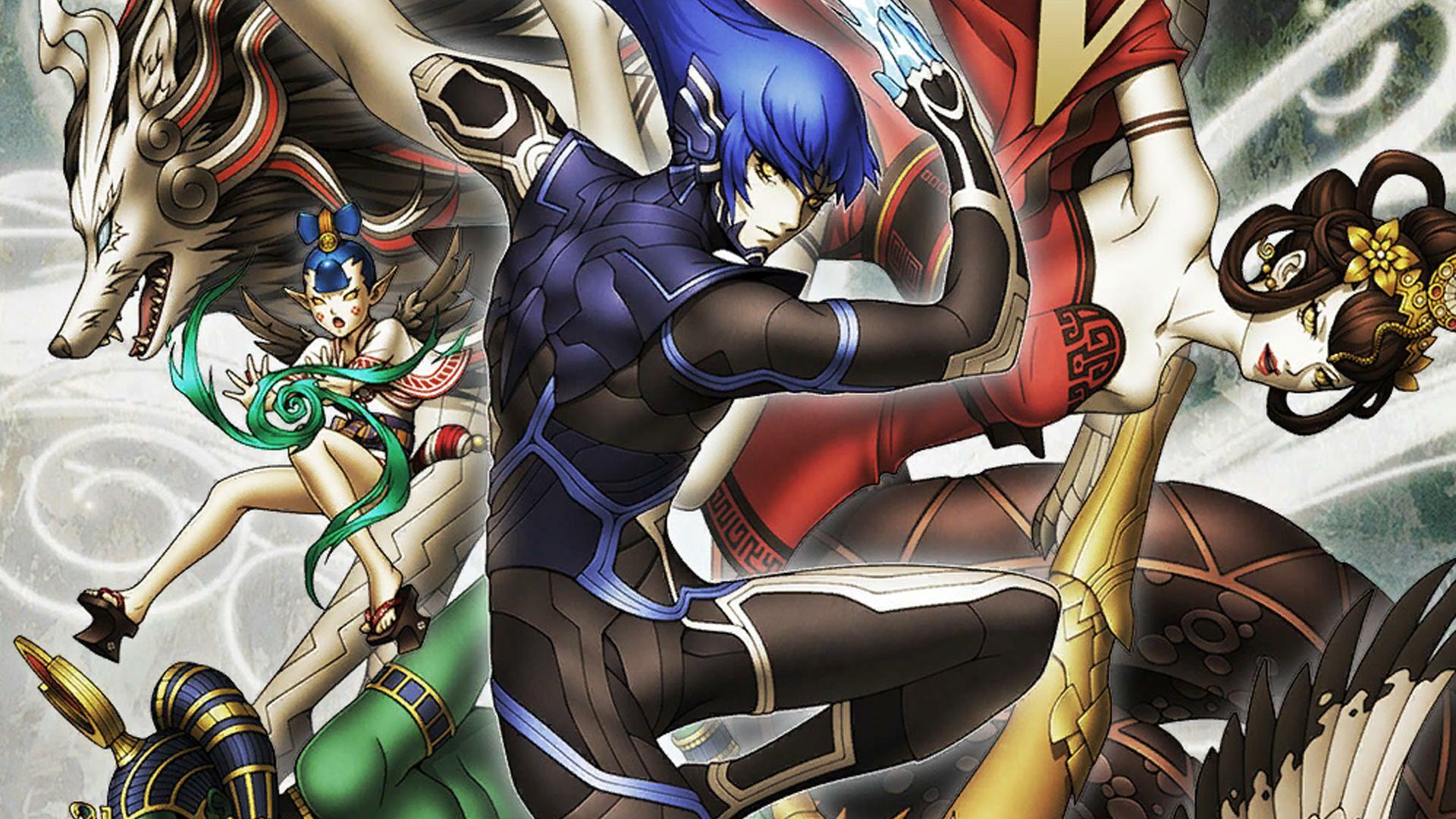
2. Shin Megami Tensei V: Vengeance
Building upon the 2021 Nintendo Switch original, Shin Megami Tensei V: Vengeance expands the game into an absolute masterpiece of modern RPG design. By introducing an entirely new storyline path (Canon of Vengeance), new demon interactions, refined quality-of-life adjustments, and multi-platform support, it sets a high bar for modern turn-based combat.
The open-zone exploration of post-apocalyptic Tokyo allows for unprecedented verticality and mobility. Combined with an incredible musical score and deep demon customization via Magatsuhi Skills, Shin Megami Tensei V: Vengeance is an essential title for JRPG enthusiasts.
1. Shin Megami Tensei III: Nocturne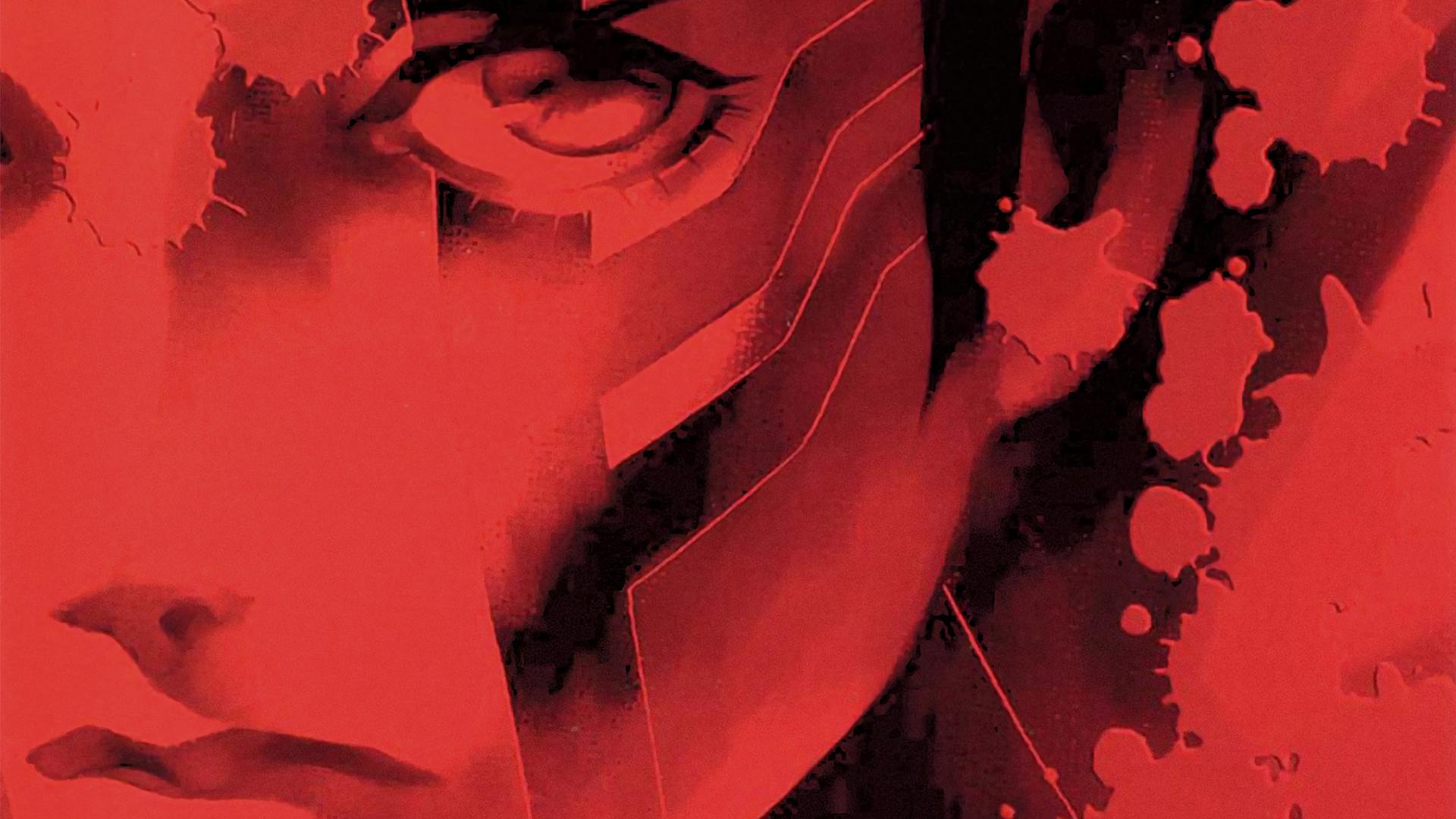
1. Shin Megami Tensei III: Nocturne
Standing as the undisputed benchmark for the entire franchise, Shin Megami Tensei III: Nocturne revolutionized the series when it debuted on the PlayStation 2 in 2003. It introduced the iconic Press Turn Battle System—a mechanics loop that rewards tactical elemental exploitation and mercilessly punishes player errors.
Set in the Vortex World following the Concept of Conception, players control the Demi-fiend, navigating a desolate world ruled by philosophical Reasons rather than standard Law and Chaos tropes. With unmatched atmospheric minimalism, unforgettable boss fights, and stellar visual design, Shin Megami Tensei III: Nocturne remains the greatest entry in the series history.
Core Features That Define the Shin Megami Tensei Series
- Press Turn Combat: A turn-based system where striking enemy weaknesses yields additional actions, while missing or hitting resistances costs turns.
- Demon Negotiation: Direct conversations with foes mid-battle to recruit them, request items, or obtain currency.
- Demon Fusion: Combining captured demons to create higher-level entities with inherited skill sets.
- Alignment Alignments: Philosophical branching choices based on Law, Chaos, or Neutrality that drastically alter story progression and endgames.
Frequently Asked Questions
Which Shin Megami Tensei game should beginners play first?
For modern gamers, Shin Megami Tensei V: Vengeance and Shin Megami Tensei IV are the best entry points. Both feature balanced difficulty curves, modern quality-of-life improvements, and highly intuitive combat mechanics.
Is Persona part of the Shin Megami Tensei franchise?
While Persona originated as a spin-off from Shin Megami Tensei: IF..., it has evolved into a distinct sub-series focusing on high school life simulation, social links, and character relationships alongside traditional dungeon crawling.
Do you need to play Shin Megami Tensei games in order?
No, most mainline titles tell standalone stories set in different universes or alternative timelines. You can start with Shin Megami Tensei III: Nocturne or Shin Megami Tensei V: Vengeance without prior knowledge of earlier games.
Final Thoughts
Whether you prefer traditional first-person grid crawlers or expansive modern open zones, the Shin Megami Tensei franchise offers some of the most rewarding mechanical depth and atmospheric storytelling in video games. Diving into legendary titles like Shin Megami Tensei III: Nocturne or modern masterpieces like Shin Megami Tensei V: Vengeance promises an extraordinary challenge for any RPG enthusiast.
