Dynasty Warriors 7 (2011) Review: A Cinematic Peak for the Franchise
Released in 2011, Dynasty Warriors 7 marked a dramatic turning point for Omega Force's long-running tactical action series. Following the mixed reception of Dynasty Warriors 6, Koei Tecmo aimed to rebuild player trust by delivering a refined hack-and-slash experience focused heavily on historical storytelling, expanded combat mechanics, and massive battlefield scale.
Developer and Historical Context
Developed by Japanese studio Omega Force and published by Koei Tecmo, Dynasty Warriors 7 brought the franchise back to its core strengths. The developers abandoned the controversial 'Renbu' combo system introduced in the previous game, returning to the fan-favorite charge-attack system while adding a dual-weapon switching mechanic. Omega Force also integrated seamless transitions between cinematic cutscenes and active gameplay, removing loading screens during story transitions to maintain narrative momentum.
Story and Narrative: Enter the Jin Kingdom
The narrative is based on Luo Guanzhong's classic 14th-century historical novel, Romance of the Three Kingdoms. However, Dynasty Warriors 7 achieved a major milestone for the franchise by extending the story past traditional bounds to introduce the Jin Kingdom. This addition allowed players to experience the grand conclusion of the Three Kingdoms era and witness the eventual unification of China under the Sima clan.
Rather than choosing individual character paths, the story mode is structured by faction: Wei, Shu, Wu, and Jin. This shift allowed Omega Force to craft a tightly written, emotionally impactful, and historically authentic campaign that highlights major battles such as Changban, Chibi, and Fan Castle with dramatic depth.
Graphics, Sound, and Visual Presentation
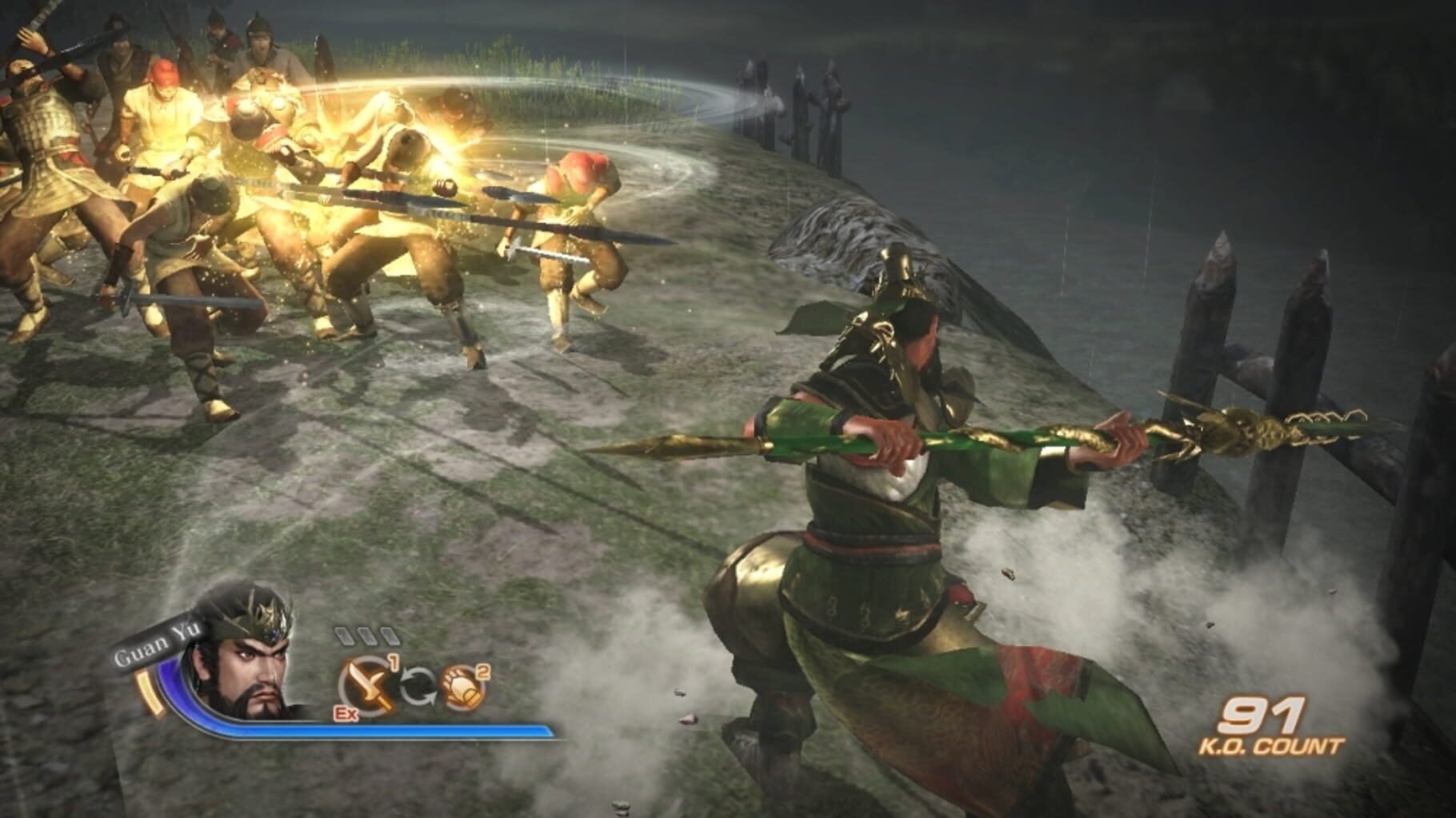
For a 2011 title, Dynasty Warriors 7 delivered an impressive visual scale. The engine managed to render hundreds of active soldiers on screen simultaneously while maintaining stable performance on console hardware. While environmental textures display the age of the seventh-generation console era, the character designs, lighting effects, and flashy Musou attack animations remain visually engaging.
Audio design continues the series legacy, featuring dramatic English and Japanese voice acting alongside an energetic soundtrack that mixes hard rock guitar solos with traditional Chinese instruments like the erhu and pipa.
Playable Platforms
Dynasty Warriors 7 was released across multiple gaming systems over its lifecycle and remains accessible today:
- PlayStation 3 (Original release)
- Xbox 360 (Original release)
- PlayStation Vita / PSP (Expanded handheld editions)
- PC (Microsoft Windows) — Modern players can access the complete experience on Steam via Dynasty Warriors 7: Xtreme Legends Definitive Edition.
Final Verdict and Recommendation
Dynasty Warriors 7 is widely regarded by fans and critics as having the best storyline in the entire Musou genre. Its fluid combat, massive character roster, inclusion of the Jin faction, and immersive narrative structure make it a landmark title for hack-and-slash enthusiasts.
Final Score & Verdict: 8.5/10 — Highly Recommended. Whether you are a longtime veteran or a newcomer curious about the Three Kingdoms lore, Dynasty Warriors 7 delivers an unforgettable action-packed epic.