


Since his debut in 1998, the fiery purple dragon Spyro has been one of platforming's most iconic characters. Over more than two decades, the franchise has evolved through multiple distinct continuities, developer transitions, handheld spin-offs, and complete reboots. Understanding the complete Spyro timeline requires breaking down these different eras and tracking how the universe reset and evolved over time.
Understanding the Spyro Continuities
Unlike series with a single unbroken narrative, the Spyro franchise is divided into three primary continuities:
- The Classic Continuity: Consisting of the original PlayStation trilogy developed by Insomniac Games, along with home console and handheld sequels produced by Universal Interactive and Vivendi Universal.
- The Legend of Spyro Continuity: A complete reboot trilogy developed by Krome Studios and Étranges Libellules that re-imagined Spyro with an action-focused, story-driven fantasy narrative.
- The Skylanders & Remake Era: A reinvention that positioned Spyro as the mascot for the toys-to-life phenomenon, followed by the definitive classic remaster, Spyro Reignited Trilogy.
The Classic Timeline: Insomniac Games Trilogy
The original narrative arc begins in the Dragon Realms, where a young Spyro and his dragonfly companion Sparx embark on vibrant platforming adventures to save their homeland.
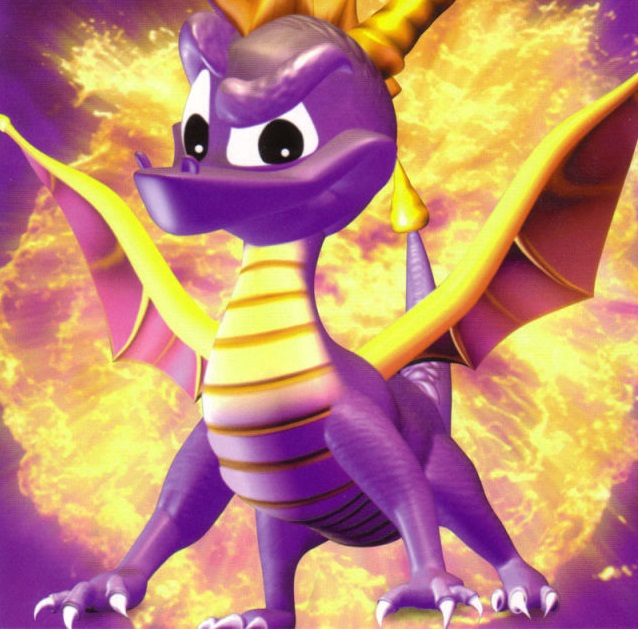
Spyro the Dragon (1998)
around the Dragon Realms, the villain Gnasty Gnorc takes offense at being insulted during a live television interview by elder dragons. In retaliation, Gnasty casts a spell that encases every dragon in crystal statues and turns the realm's treasure into hostile minions. Small enough to escape the spell's reach, Spyro the Dragon journeys across six worlds to free his elders, collect stolen dragon eggs, and defeat Gnasty Gnorc.

Spyro 2: Ripto's Rage! (1999)
Seeking a vacation from rainy Dragon Realms, Spyro and Sparx attempt to travel through a portal to Dragon Shores. Instead, they are summoned into the magical realm of Avalar by Elora the Faun, Hunter the Cheetah, and Professor the Mole. Avalar has been invaded by the tyrannical warlord Ripto and his henchman Crush and Gulp. In Spyro 2: Ripto's Rage!, Spyro collects Talismans and Orbs across three world hubs to empower the portals and defeat Ripto once and for all.
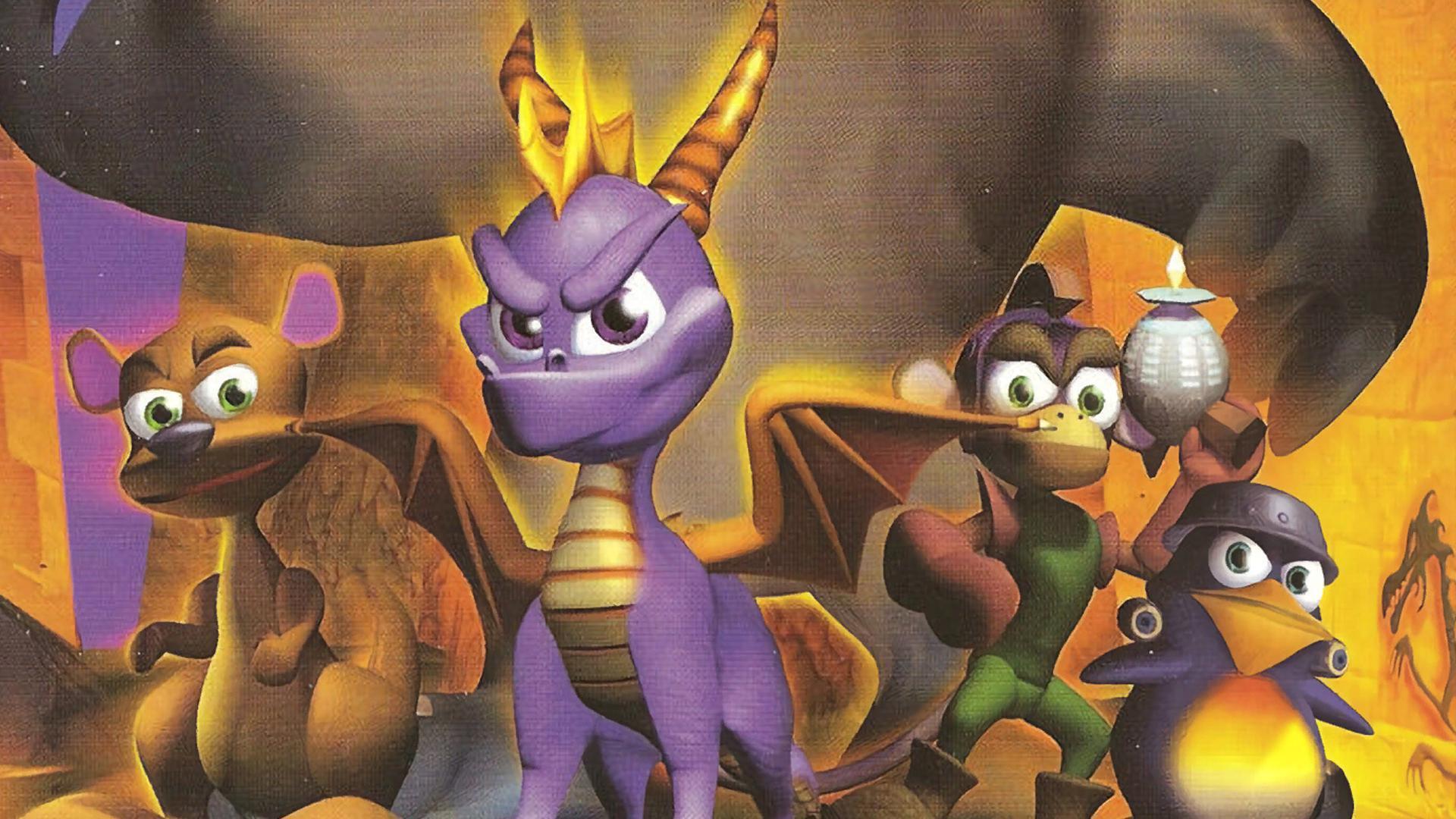
Spyro: Year of the Dragon (2000)
During the celebrated Year of the Dragon festival held every twelve years, a cloaked girl named Bianca and a horde of Rhynocs infiltrate the Dragon Realms and steal 150 dragon eggs, transporting them through holes in the ground to the Forgotten Realms. Spyro, Hunter, and Sparx descend into these ancient lands ruled by the ruthless Sorceress. In Spyro: Year of the Dragon, Spyro teams up with allies Sheila the Kangaroo, Sgt. Byrd, Bentley the Yeti, and Agent 9 to rescue the hatchlings and restore magic to the realms.
Post-Insomniac Classic Era Sequels and Handheld Titles
Following Insomniac Games' departure, publisher Universal Interactive continued the original timeline through console sequels and Game Boy Advance titles.
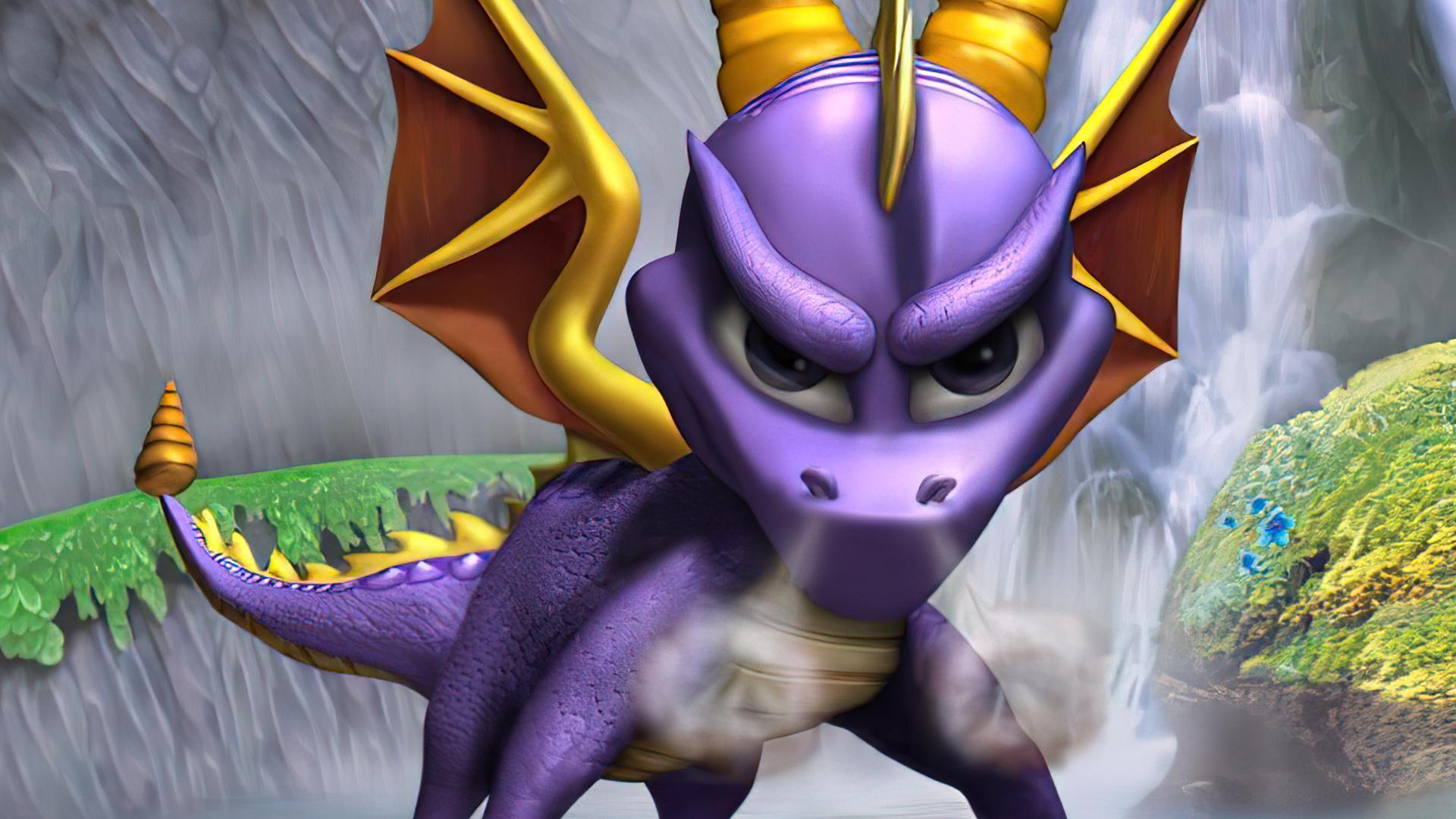
Spyro: Enter the Dragonfly (2002)
Directly following the events of Spyro: Year of the Dragon, the young dragons are preparing to receive their own dragonflies in a sacred rite of passage. Ripto interrupts the ceremony with a spell designed to vanish all dragonflies, but the spell backfires and scatters them across the Dragon Realms. In Spyro: Enter the Dragonfly, Spyro works to recapture the dragonflies and neutralize Ripto's magic.

Spyro: A Hero's Tail (2004)
In Spyro: A Hero's Tail, an ancient rogue dragon named Red plants Dark Gems across the Dragon Realms to corrupt the environment and drain its power. Spyro, alongside returning companions and new allies like Blink the Mole and Ember, destroys the Dark Gems and confronts Red and his mechanical army.
Handheld Chronological Extensions
Several Game Boy Advance and Nintendo DS titles fit within the classic timeline framework:
- Spyro: Season of Ice (2001) – Spyro must rescue the fairies of the Fairy Realm after Grendor casts a freezing spell.
- Spyro 2: Season of Flame (2002) – Takes place after Season of Ice, focused on saving the Fireflies to restore fire breath to the Dragon Realms.
- Spyro: Attack of the Rhynocs (2003) – Ripto returns using a dimensional rift, forcing Spyro to seal the tears between realms.
- Crash Bandicoot Purple: Ripto's Rampage and Spyro Orange: The Cortex Conspiracy (2004) – Crossover titles where Dr. Neo Cortex and Ripto team up, prompting Spyro and Crash Bandicoot to join forces.
- Spyro Shadow Legacy (2005) – Set in the Dragon Realms, Spyro learns the art of shadow magic to save his world from the Shadow Realm.
The Reboot Continuity: The Legend of Spyro Trilogy
In 2006, the franchise underwent a complete narrative reboot. The Legend of Spyro introduced a mature, epic dark-fantasy storyline complete with combat combos, elemental magic levels, and voice work by Elijah Wood and Gary Oldman.

The Legend of Spyro: A New Beginning (2006)
Born as a rare purple dragon prophesied to master all four elements, Spyro is raised by dragonflies alongside Sparx. When his home is attacked by the forces of Cynder, a corrupted black dragon controlled by the Dark Master Malefor, Spyro learns of his true lineage. Guided by Ignitus the Dragon Guardian, Spyro learns Fire, Electric, Ice, and Earth breath in The Legend of Spyro: A New Beginning to free Cynder from Malefor's control.

The Legend of Spyro: The Eternal Night (2007)
Following Cynder's redemption, dark forces lead by Gaul the Ape King attempt to free Malefor during a celestial event known as the Night of Eternal Darkness. In The Legend of Spyro: The Eternal Night, Spyro struggles with dark elemental power while attempting to stop the ritual. The game ends on a cliffhanger, with Spyro, Cynder, and Sparx encased in a crystal shield to survive the collapsing mountain.

The Legend of Spyro: Dawn of the Dragon (2008)
Awakening three years later tethered together by a magical chain, Spyro and Cynder must stop Malefor, who has freed himself and threatens to destroy the world. In The Legend of Spyro: Dawn of the Dragon, the duo masters full free flight and dual combat tactics, ultimately confronting the Dark Master in the core of the planet and saving the world from total destruction.
The Toys-to-Life Era and Modern Remakes
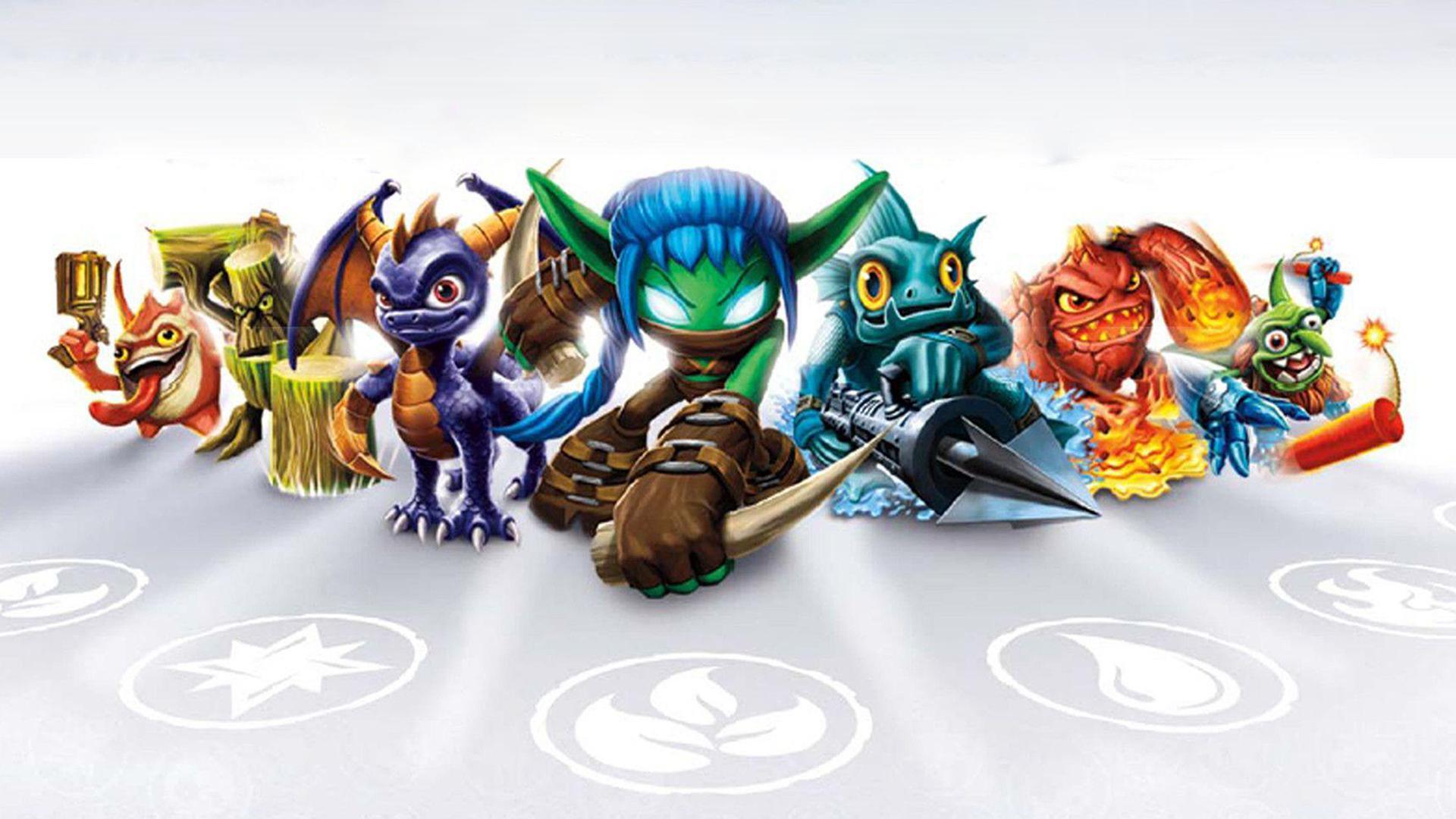
Skylanders: Spyro's Adventure (2011)
In 2011, Activision launched the toys-to-life genre with Skylanders: Spyro's Adventure. While Spyro served as the headliner for the brand and appeared alongside classic allies like Cynder, this era established its own standalone continuity focused on the Skylands and the Portal Masters.
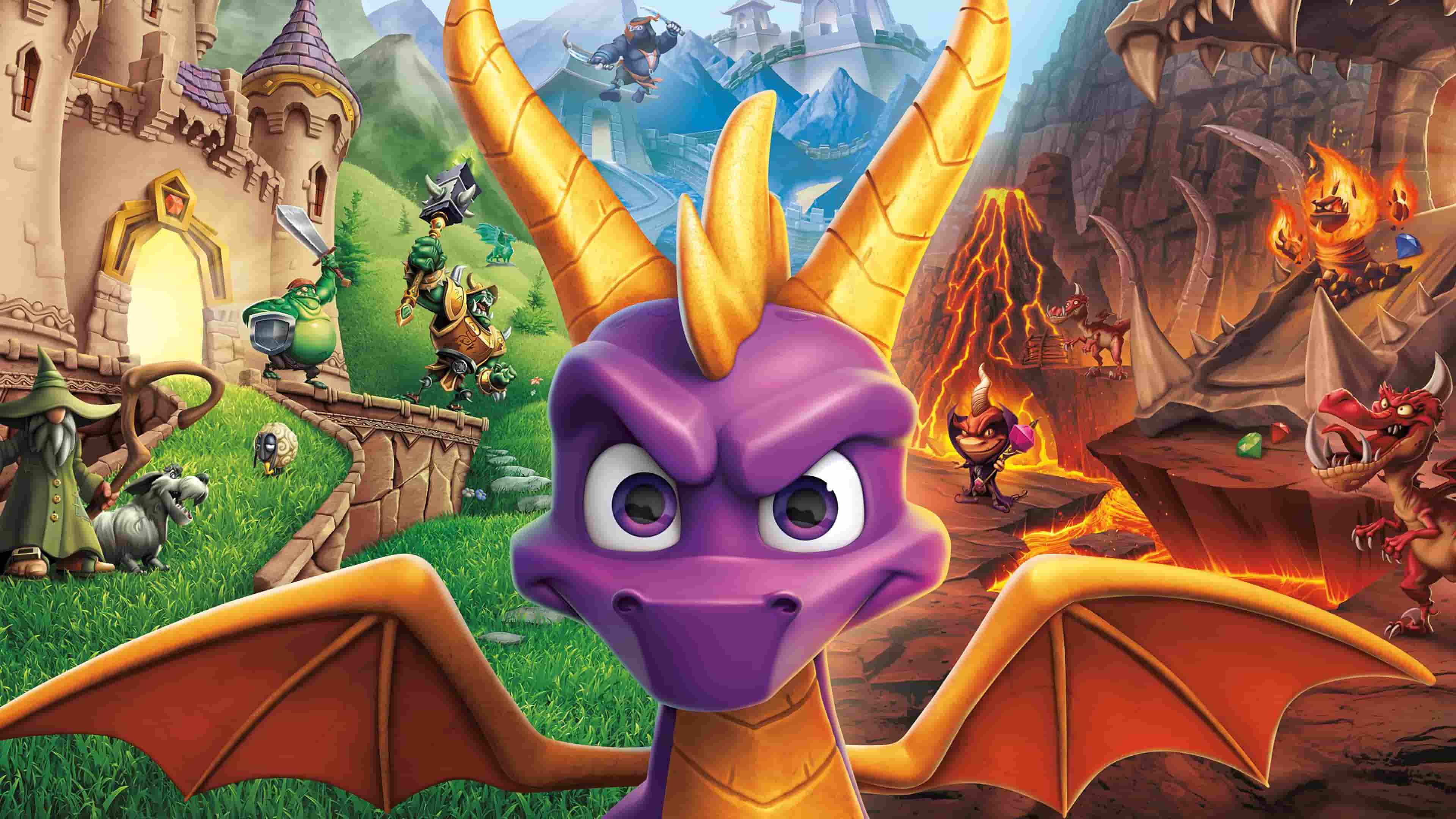
Spyro Reignited Trilogy (2018)
Developed by Toys for Bob, Spyro Reignited Trilogy is a ground-up remake of the original PlayStation classics: Spyro the Dragon, Spyro 2: Ripto's Rage!, and Spyro: Year of the Dragon. The compilation faithful preserves the original narrative timeline and level design while updating visuals, controls, and sound design for modern platforms.
Frequently Asked Questions
Is Spyro Reignited Trilogy canon?
Yes. Spyro Reignited Trilogy is the official modern canon representation of the classic Insomniac Games storyline, recreating the original three games faithfully.
Are classic games and The Legend of Spyro connected?
No. The Legend of Spyro is a completely separate reboot universe with its own backstory, characters, lore, and gameplay mechanics.
What is the best order to play the Spyro games?
For the classic experience, play Spyro Reignited Trilogy from start to finish. For narrative action platforming, play The Legend of Spyro: A New Beginning, The Legend of Spyro: The Eternal Night, and The Legend of Spyro: Dawn of the Dragon in chronological order.
Final Thoughts
The Spyro franchise offers rich gaming history across multiple continuities. Whether you prefer the colorful, precision platforming of the classic era or the theatrical narrative of The Legend of Spyro, understanding the timeline allows players to appreciate how the dragon's legacy has evolved across gaming generations.
