Introduction and Historical Context
In 1997, the fighting game genre was dominated by high-octane combos, supernatural energy blasts, and glowing health bars. Titles like Tekken 2 and Virtua Fighter 2 defined the arcade and home console landscape. Then came Bushido Blade on the original Sony PlayStation—a game that boldly rejected established fighting tropes in favor of brutal, tactical realism. By eliminating arbitrary health meters, artificial timers, and combo meters, Bushido Blade presented a tense simulation of authentic samurai duels where a single precise strike meant immediate death.
Developer and Release History
Bushido Blade was developed by Lightweight, a Japanese studio specializing in martial arts simulation, and published by gaming giant Square (now Square Enix). Released in Japan in March 1997 and brought West later that year, the game highlighted Square's willingness to innovate and publish unique, non-RPG experiences during the 32-bit console golden era.
Story and Narrative: The Honor of Bushido
The plot centers on the Meikyokai, an elite modern-day Japanese assassination syndicate hiding behind the facade of a traditional sword school. The player controls one of six main characters who decides to break away from the clan. Branded a traitor, the fugitive must navigate the castle grounds while fending off former comrades dispatched to execute them.
What elevated the narrative was its integration of the Bushido code of honor directly into the combat mechanics:
- Honorable Tactics: Players are expected to wait for opponents to finish speaking and face them head-on.
- Dishonorable Actions: Attacking an opponent from behind or throwing dirt into their eyes triggers penalizing story branchings, forcing a premature bad ending where the character dies in disgrace.
Graphics, Arenas, and Animation
For a 32-bit release in 1997, Bushido Blade was a technical marvel in environment design and motion capture:
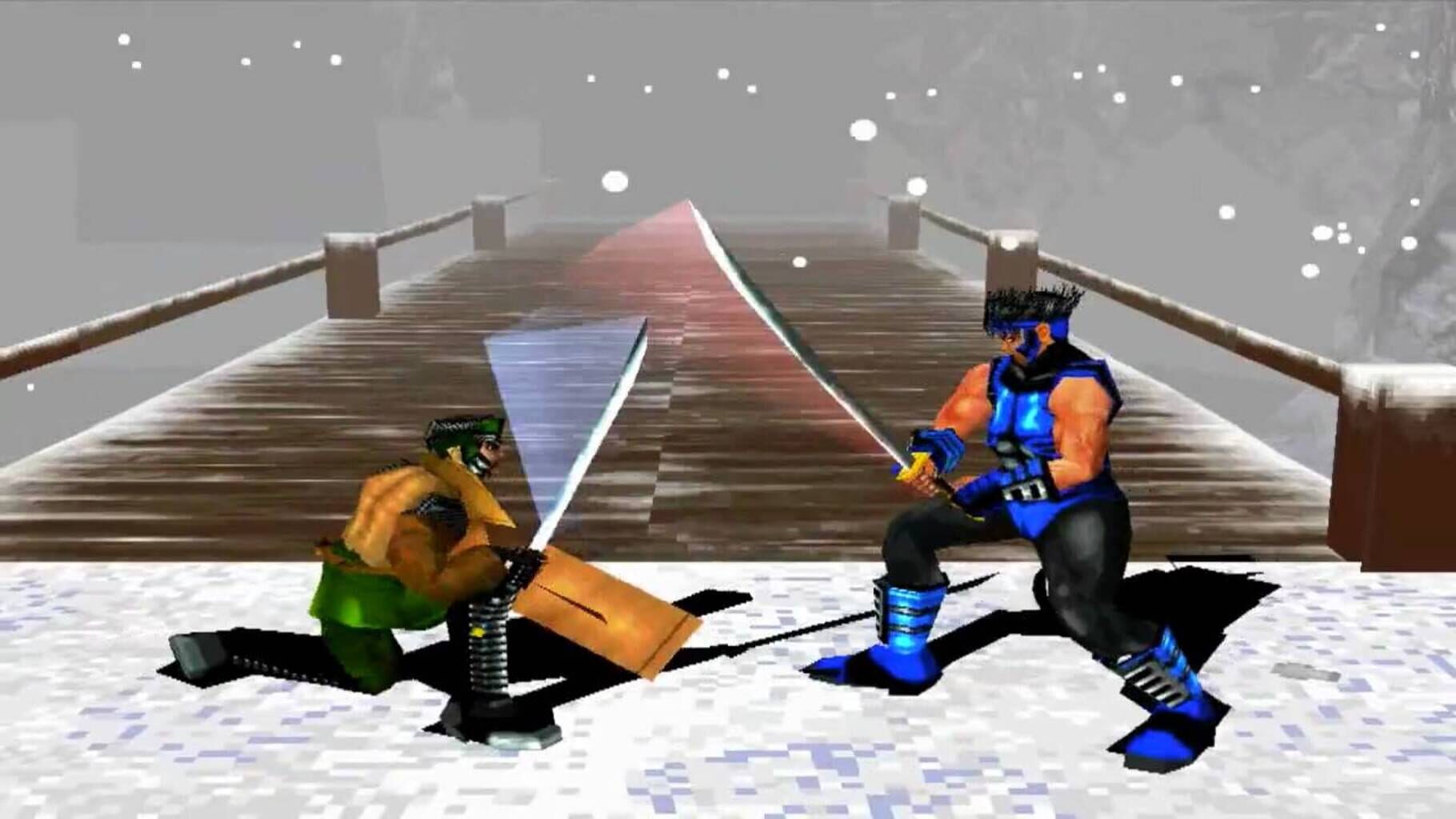
- Interconnected 3D Worlds: Rather than locked, rectangular arenas, fights take place across expansive, connected environments including bamboo groves, muddy moats, stone courtyards, and rooftops. Players can seamlessly run between areas mid-fight.
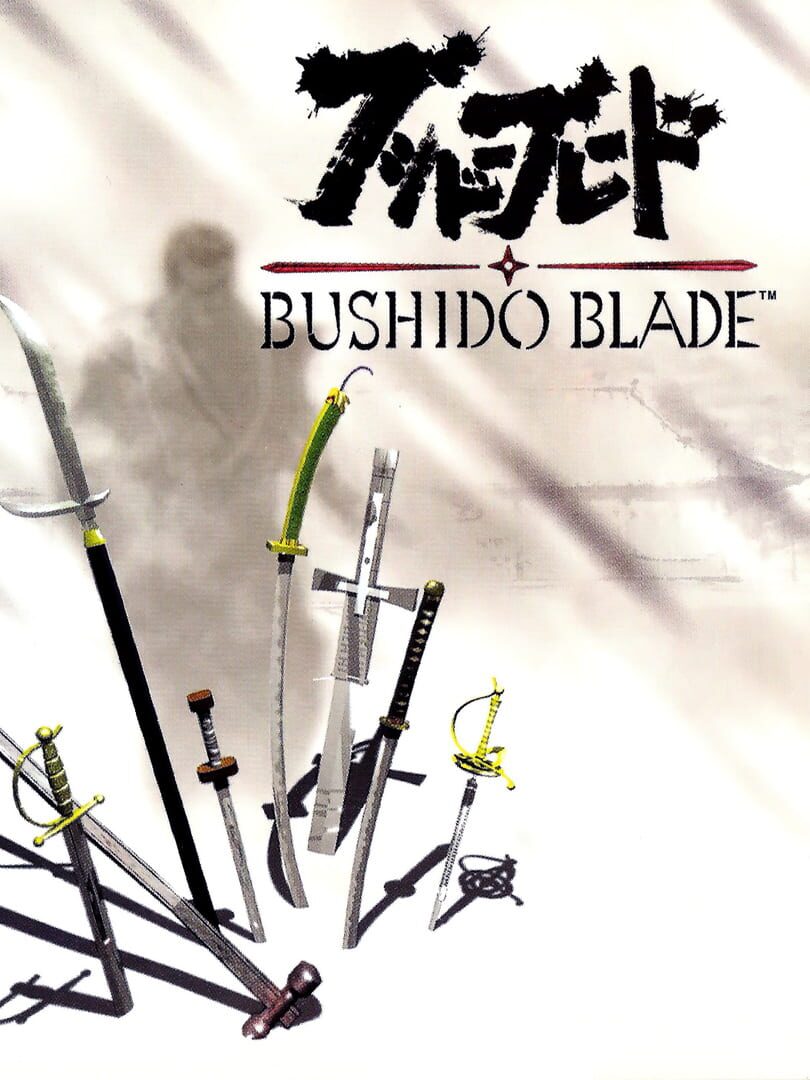
- Realistic Motion Capture: The developers captured genuine martial artists for stance shifts, swings, and parries. Weapons like the Katana, Rapier, Naginata, Sledgehammer, and Nodachi feel uniquely heavy and realistic.
- Body Damage System: Instead of taking point damage, non-fatal attacks inflict specific physical injuries. A hit to the leg forces the character to crawl and fight from their knees, while a damaged arm disables heavy two-handed attacks.
Playable Platforms: Where to Play Today
If you want to experience this classic title today, here are your best options:
- PlayStation Original Hardware: Playable using original physical discs on PlayStation 1, PlayStation 2, or backward-compatible PS3 consoles.
- PlayStation Network (PSN): Released as a digital PS One Classic for the PlayStation 3, PSP, and PS Vita in select regional stores.
- Emulation: Modern PS1 emulators like DuckStation offer widescreen hacks, resolution upscaling, and precise input response, making it the easiest way to enjoy the game on modern displays.
Final Recommendation and Verdict
Score: 9/10
Bushido Blade stands as a monumental triumph in game design. Its focus on mind games, spatial awareness, and lethal stakes creates a level of tension rarely matched in modern fighting games. Although its 1997 3D visual fidelity shows its age, the core gameplay remains timeless. It is highly recommended for retro gaming collectors, fighting game aficionados, and anyone curious about the history of realistic combat games.