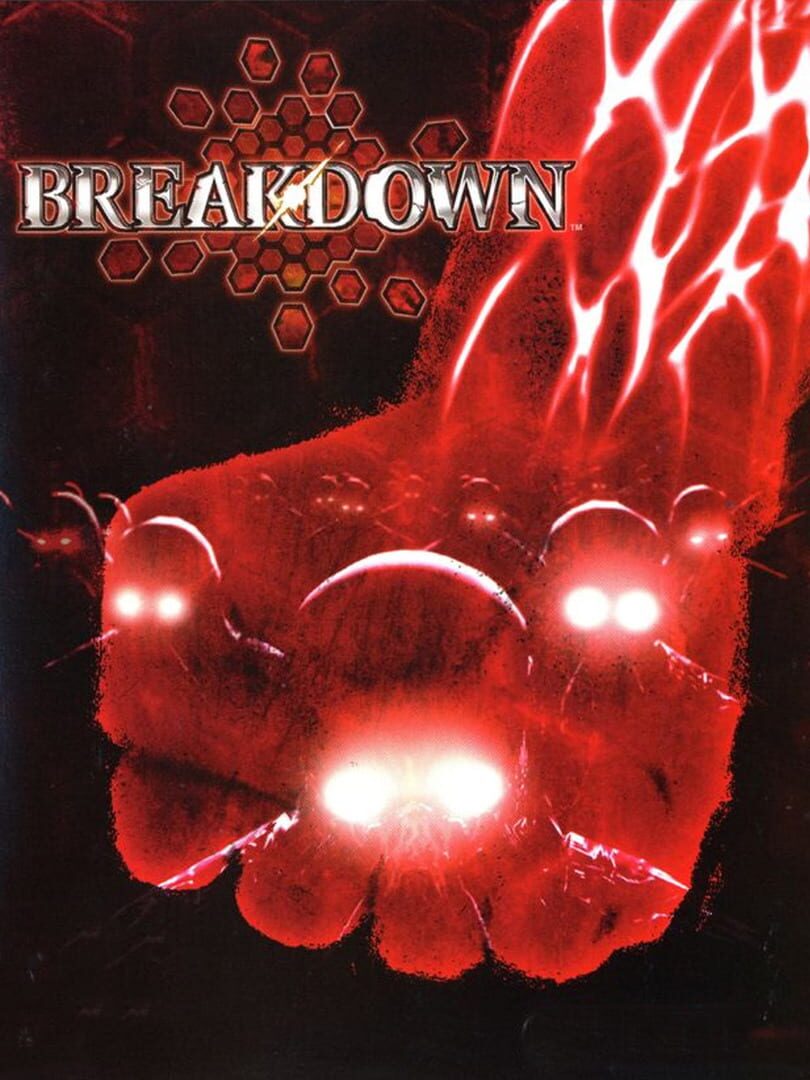
Breakdown (2004) Video Game Review: Namco's Forgotten First-Person Pioneer
Released in 2004, Breakdown remains one of the most ambitious and criminally underrated titles from the original Xbox era. Long before games like Mirror's Edge, BioShock, or Cyberpunk 2077 popularized absolute first-person immersion, Namco crafted a narrative-driven first-person action brawler that forced players to experience every single moment through the eyes of its protagonist.
Historical Context: A Bold Experiment in Immersion
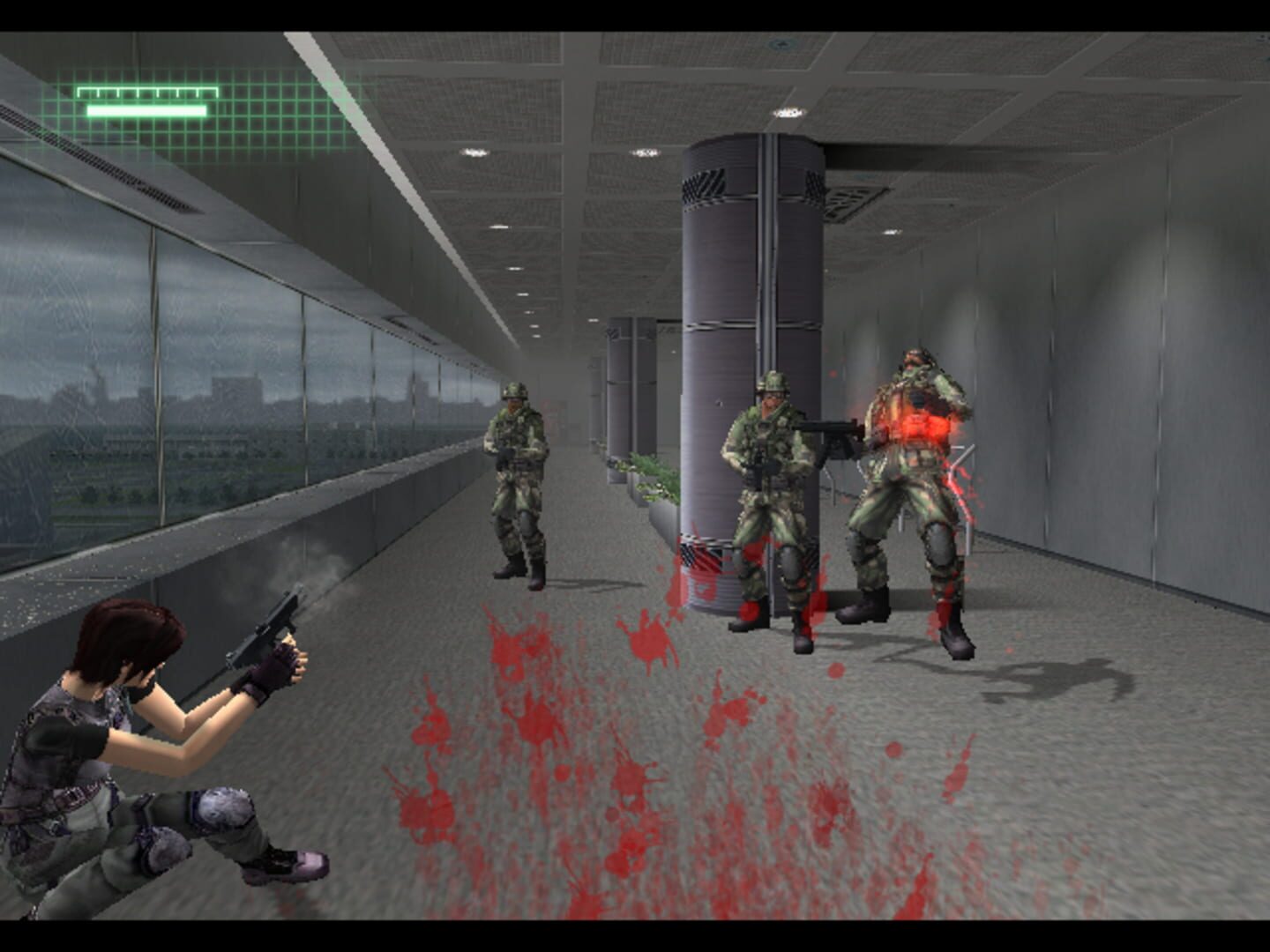
In the mid-2000s, first-person shooters were primarily focused on traditional military gunplay and fast-paced arcade action. Namco took a radical departure from genre norms with Breakdown. The core design philosophy was total first-person immersion: every action, from opening doors, picking up items, eating health-restoring rations, getting knocked down, to vomiting after intense physical stress, occurs strictly from a seamless first-person perspective without camera cuts.
Story and Narrative
The story of Breakdown centers on Derrick Cole, a man who awakens inside a high-tech medical research facility with severe amnesia. Before he can process his surroundings, military forces storm the building, followed shortly by terrifying, near-invulnerable humanoid monsters known as the T'lan.
As Derrick escapes alongside a mysterious woman named Alex, he discovers he possesses supernatural physical abilities powered by a mystery energy source called T'lania. The narrative escalates into a gripping sci-fi thriller involving time distortion, alien invasion, memory recovery, and government conspiracy. Despite some cheesy mid-2000s dialogue, the story delivers high emotional stakes, incredible plot twists, and a surprisingly deep lore that keeps players hooked until the final credits.
Graphics and Audio Presentation
For a 2004 title, Breakdown pushed the original Xbox hardware to its limits. The character models—particularly key allies and enemy boss designs—featured realistic physics and impressive animations for the time. The motion blur effects during martial arts combos and energy attacks added weight and speed to every movement.
Audio design plays a crucial role in creating tension. The sound of punches landing, heavy breathing under exertion, and the terrifying screech of the T'lan warriors enhance the visceral experience. The voice acting is distinctly classic 2000s Japanese-action inspired, backed by an energetic electronic and orchestral soundtrack.
Gameplay: Blending Martial Arts and Gunplay
What truly sets Breakdown apart is its combat mechanics. While traditional firearms like pistols, shotguns, and assault rifles are available, enemies frequently render bullets useless, forcing players into intense hand-to-hand brawling.
- First-Person Melee Combat: Execute jabs, hooks, uppercuts, sweeps, backflips, and block maneuvers all from Derrick's viewpoint.
- T'lan Powers: Unlock kinetic punch combos, energy shields, and projectile blasts as Derrick unlocks his hidden abilities.
- Visceral Interaction: Physical feedback is intense; getting hit knocks your camera down, requiring you to physically press buttons to stand back up.
Developer Background
Breakdown was developed and published by legendary Japanese gaming company Namco (now Bandai Namco). Spearheaded by producer Yoshihito Takabe, the project was intended to showcase Namco's ability to innovate within Western-dominated genres like first-person action while maintaining distinct Japanese cinematic sensibilities.
Playable Platforms Today
If you are looking to experience Breakdown today, you have several accessible options thanks to Microsoft's backward compatibility program:
| Platform | Format | Status |
|---|---|---|
| Original Xbox | Physical Disc | Native release (2004) |
| Xbox 360 | Physical Disc | Playable via backward compatibility |
| Xbox One | Digital & Physical | Enhanced 1080p backward compatibility |
| Xbox Series X|S | Digital & Physical | Enhanced up to 4K resolution with improved framerate |
Final Verdict & Recommendation
Breakdown (2004) is a brilliant, flawed masterpiece that arrived years ahead of its time. While its high difficulty spikes, occasionally clunky controls, and repetitive corridor environments hindered its commercial success upon release, its innovative approach to narrative immersion makes it a must-play for retro gaming enthusiasts.
Recommendation: Highly recommended for fans of cult classic sci-fi games, retro Xbox collectors, and players looking to experience the roots of modern first-person immersion.
Score: 8/10