


Introduction: What Makes a Game Worth Replaying?
In an era where video game backlogs grow faster than ever, returning to a title you have already finished might seem counterintuitive. However, the absolute best video games offer experiences so rich, flexible, and mechanically satisfying that a second, third, or even fourth playthrough feels completely fresh. Whether driven by deep narrative choices, vastly different combat builds, procedural generation, or delightful New Game Plus modes, replaying exceptional titles often yields greater satisfaction than starting a brand-new game.
A truly replayable game does not merely rely on nostalgia. Instead, it respects the player's time by revealing hidden content, alternative narrative branches, and higher skill ceilings that were invisible during the initial playthrough. Below, we explore the definitive list of the best games worth replaying and what makes their design so enduring.
Key Factors That Driving Replay Value
Before diving into the top recommendations, it is worth looking at the core game design pillars that encourage players to start a new campaign:
- Branching Narratives and Moral Choices: Games where story outcomes change dramatically based on player decisions demand multiple playthroughs to see every outcome.
- Build Diversity: Action and role-playing games with flexible character customization encourage fresh runs using entirely different playstyles, gear setups, or magic systems.
- Mechanical Mastery: Tight gameplay loops and rewarding difficulty settings entice players to test their skills in higher difficulty modes or speedruns.
- Procedural and Roguelike Elements: Dynamic layouts, random loot drops, and evolving mechanics ensure that no two sessions are ever identical.
1. Baldur's Gate 3
Few titles in modern history offer the sheer density of reactive storytelling found in Baldur's Gate 3. Built on the foundation of tabletop role-playing rules, this landmark RPG reacts to almost every choice, character origin, skill check, and combat strategy you employ.
Replaying Baldur's Gate 3 feels like playing a completely different game. Choosing a custom origin character provides a vastly unique perspective compared to playing as the Dark Urge or a pre-made origin hero like Astarion or Shadowheart. Combine this with dozens of subclasses, hundreds of narrative permutations, and dynamic combat environments, and Baldur's Gate 3 easily stands as one of the best games worth replaying available today.

2. The Witcher 3: Wild Hunt
Even years after its initial launch, The Witcher 3: Wild Hunt remains a masterpiece of open-world storytelling. What sets it apart is how subtle choices ripple across its world. Major questlines, such as the Bloody Baron story or the fate of Skellige's crown, offer significantly different outcomes based on decisions that rarely present an obvious morally correct answer.
Beyond its branching quests, returning to The Witcher 3: Wild Hunt in New Game Plus allows players to experiment with specialized witcher build strategies—transitioning from a heavy swordsman build to an alchemy-focused bomb specialist or a sign-heavy mage. Combined with its expansion packs, The Witcher 3: Wild Hunt offers over a hundred hours of content that easily warrants another run.
3. Elden Ring
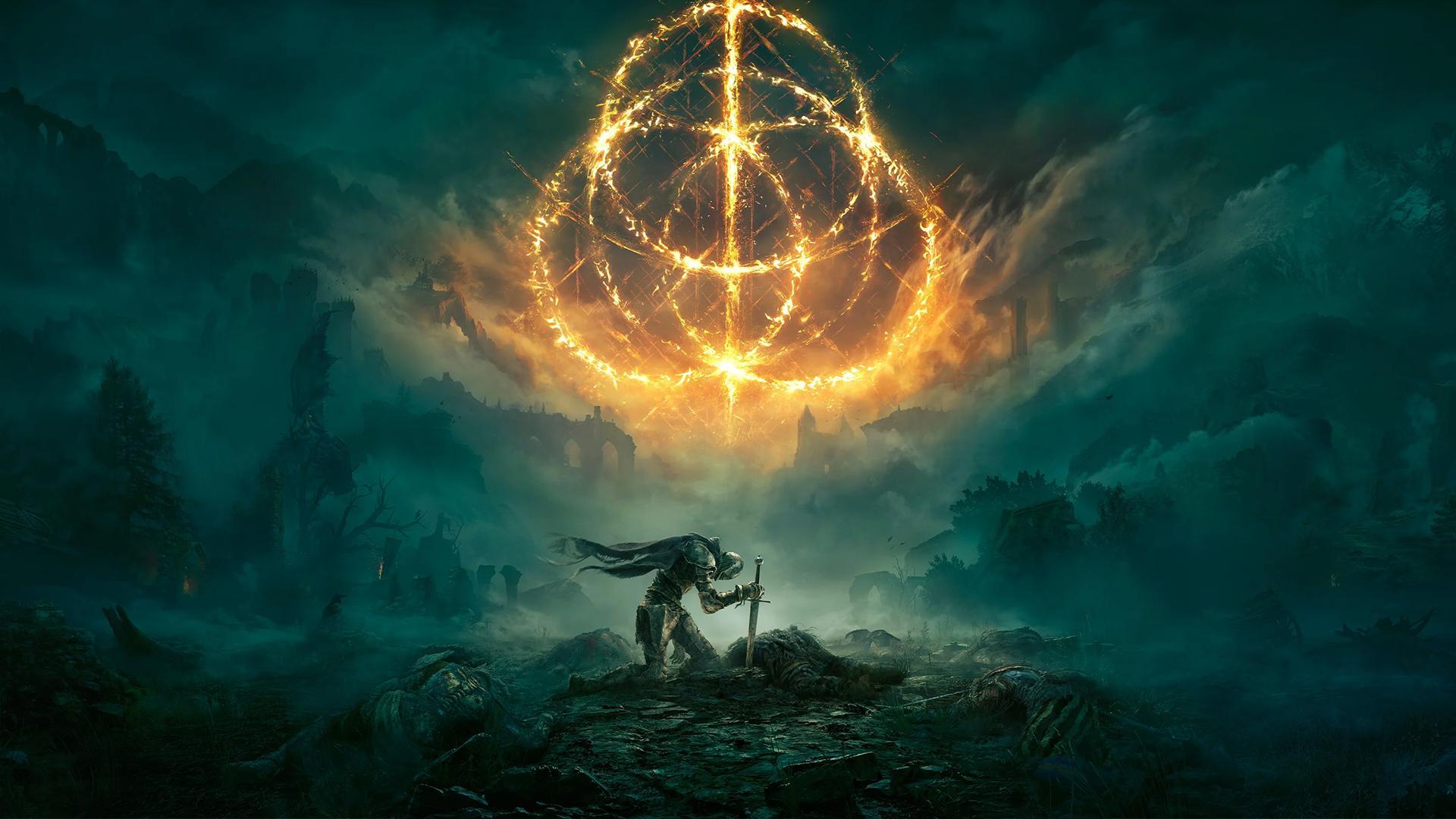
FromSoftware games are renowned for their replayability, but Elden Ring took this to unprecedented levels through its expansive open world, The Lands Between. The game features an astonishing variety of weapons, spells, incantations, and ashes of war, allowing players to completely transform how they approach encounters.
A first playthrough of Elden Ring is often defined by cautious exploration and survival. A second playthrough, however, is empowering. Players can skip large portions of early-game hurdles, seek out specific end-game weapons early, and pursue entirely different ending paths, such as the Age of the Stars or the Lord of Frenzied Flame. The introduction of New Game Plus further encourages players to test their favorite builds against scaled-up enemies.

4. Hades
While many roguelikes inherit intrinsic replayability through randomized dungeon layouts, Hades weaves narrative progression directly into its loop. Dying and restarting a run in Underworld escapes is not a setback; it is the primary engine for story progression and character interaction.
Every attempt in Hades brings new dialogue options, dynamic boon combinations from Olympian gods, and upgrades to six distinct weapons with unique aspects. The Pact of Punishment system allows players to customize difficulty parameters on subsequent successful escapes, ensuring that Hades stays challenging and engaging long after reaching the initial ending credits.

5. The Elder Scrolls V: Skyrim
It is impossible to discuss games worth replaying without highlighting The Elder Scrolls V: Skyrim. Bethesda’s iconic open-world RPG provides unrivaled player freedom, allowing you to step into Tamriel as anyone from a stealth archer to a pure destruction mage or a heavy-armored paladin.
Replaying The Elder Scrolls V: Skyrim allows you to join different factions—such as the Dark Brotherhood, the Thieves Guild, or the College of Winterhold—and align with opposite sides in the Civil War. Furthermore, the active community surrounding The Elder Scrolls V: Skyrim ensures that total conversion mods and gameplay tweaks can transform the game into a fresh experience every single time.
6. Resident Evil 4
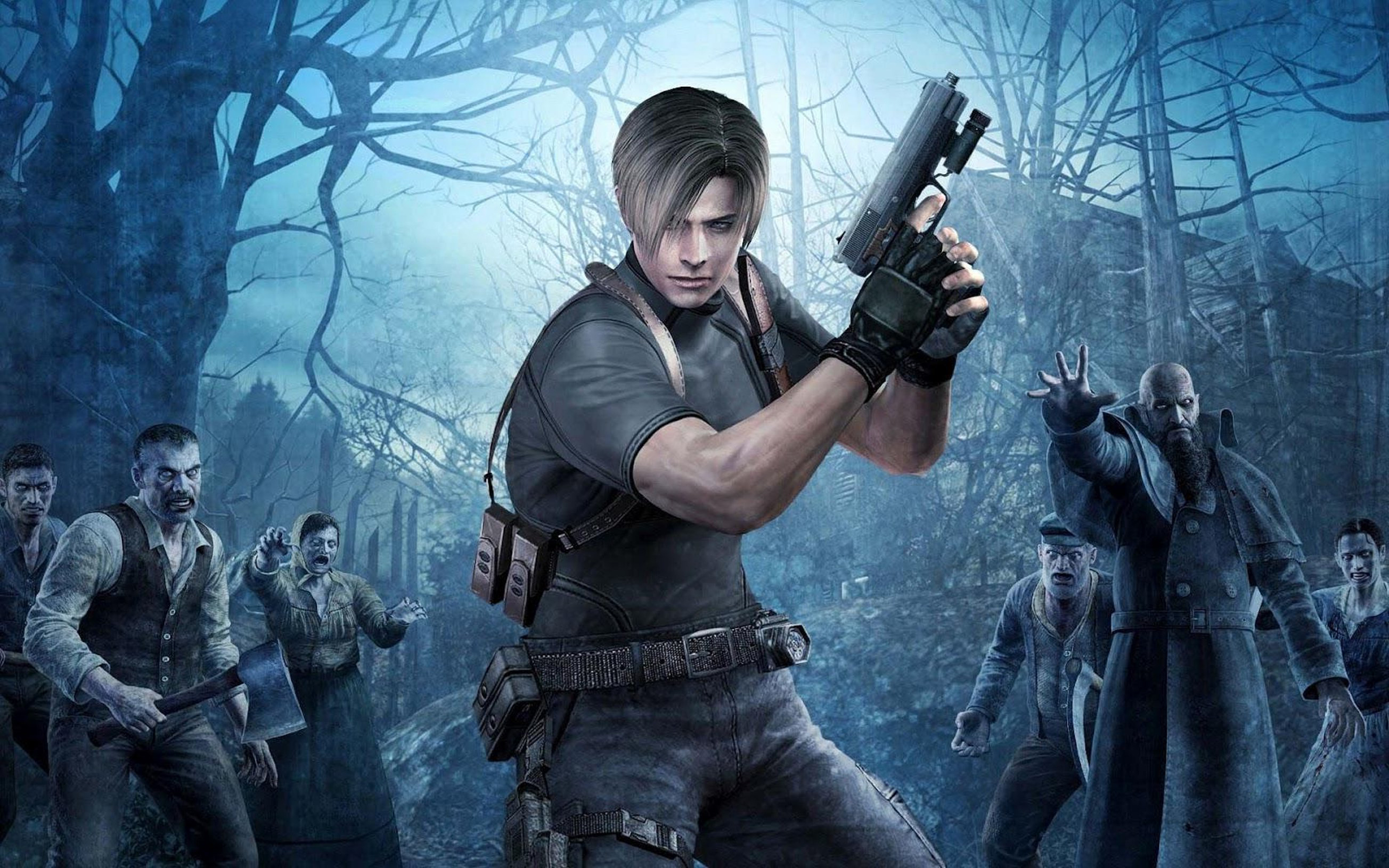
Whether you are playing the classic original or the modern remake, Resident Evil 4 is a masterclass in pacing, resource management, and kinetic combat. Unlike sprawling RPGs, Resident Evil 4 is a focused, highly polished action game built specifically to be replayed multiple times.
Unlocking special weapons like the Infinite Rocket Launcher or the Chicago Sweeper gives subsequent runs an arcade-like power fantasy. Furthermore, mastering knife parries, resource crafting, and optimal routing makes tackling higher difficulty settings like Professional mode a thrill for action game enthusiasts.

7. Dishonored 2
Arkane Studios perfected immersive sim design with Dishonored 2. Right from the opening chapter, you choose between two playable protagonists—Corvo Attano and Emily Kaldwin—each possessing completely distinct supernatural abilities that alter traversal and combat strategies.
The levels in Dishonored 2, such as the Clockwork Mansion, offer dozens of pathways and solutions. Replaying the game using a ghost/non-lethal approach yields a vastly different narrative atmosphere (Low Chaos) compared to a violent, high-tech bloodbath (High Chaos). You can even reject supernatural powers entirely for an extreme challenge run.
Frequently Asked Questions
What game has the absolute highest replay value?
Games with deep systemic reactivity like Baldur's Gate 3 and sandbox RPGs like The Elder Scrolls V: Skyrim are widely considered to have the highest replay value due to their endless player choices, build options, and modding potential.
What makes a game worth replaying?
A game is worth replaying if it offers dynamic content that changes based on your input. Key features include branching storylines, varied character builds, New Game Plus unlockables, scalable difficulty levels, and emergent gameplay systems that react dynamically to player actions.
Are rogue-like games better for replayability than story-driven RPGs?
It depends on what you enjoy. Rogue-likes like Hades offer short, mechanics-focused loops designed for endless quick sessions. Story-driven RPGs offer structural replayability where whole narrative arcs, companions, and quests can change based on your choices across multiple long playthroughs.
Final Thoughts
Replaying a great video game allows you to see artistry you might have missed on your first blind run. Whether you want to experiment with broken build combinations in Elden Ring, test moral alignment in Baldur's Gate 3, or speedrun Resident Evil 4, these titles prove that returning to familiar worlds can be just as exciting as discovering new ones.
