Introduction & Historical Context
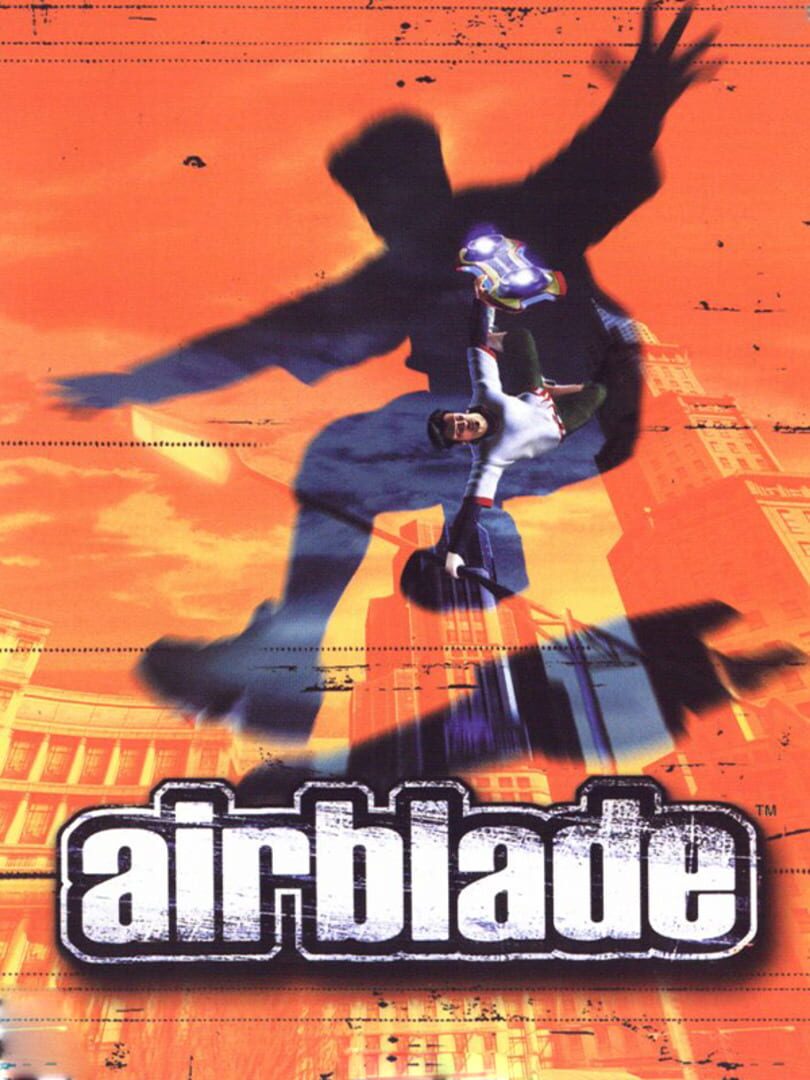
During the early 2000s, the extreme sports video game genre was at its absolute peak. Driven by the massive success of the Tony Hawk's Pro Skater franchise, publishers rushed to create high-adrenaline titles featuring skateboards, BMX bikes, and futuristic hoverboards. Released in 2001, Airblade stood out by blending high-speed hoverboard tricks with action-adventure objectives and an intriguing corporate espionage storyline.
Developer & Technical Pedigree
Airblade was developed by the legendary British studio Criterion Games and published by Sony Computer Entertainment in Europe and Namco in North America. Prior to Airblade, Criterion developed TrickStyle for the SEGA Dreamcast. Airblade served as a spiritual successor, refining the hoverboard mechanics significantly. This game also showcased an early version of Criterion's famous RenderWare engine, which later powered iconic titles like Burnout and Grand Theft Auto III.
Story and Narrative
Unlike traditional arcade sports games that focused purely on high scores, Airblade integrated a narrative-driven campaign mode. The plot follows Ethan, an adventurous teenager whose friend, an inventor named Oscar, invents the ultimate perpetual motion hoverboard technology called the Airblade.
When the corrupt megacorporation GCP (GCP Corporation) kidnaps Oscar to steal the technology for military and commercial exploitation, Ethan steps in. Armed with the sole prototype Airblade board, Ethan must infiltrate GCP facilities, evade heavily armed security guards, destroy surveillance equipment, and rescue his friend across sprawling city environments.
Graphics and Visual Performance
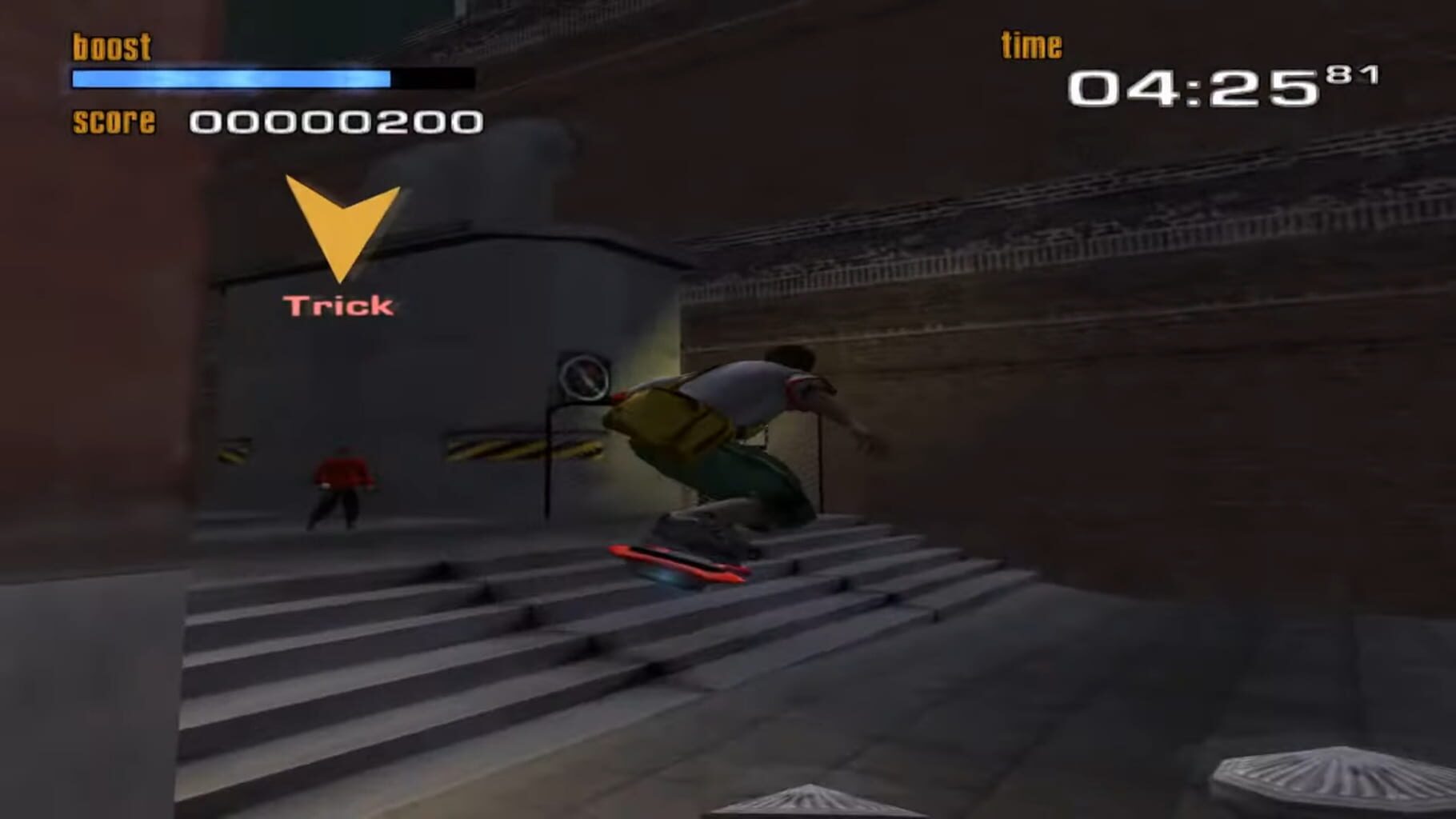
For a 2001 PlayStation 2 title, Airblade's graphics were impressive. Powered by the RenderWare engine, the game featured expansive levels, vibrant urban environments, realistic lighting effects, and fluid character animations. While character models look slightly blocky by modern standards, the sense of scale and speed remains memorable. Interactive elements in the levels, such as breakable windows, grindable billboards, and swinging poles, brought the world to life.
Playable Platforms
Airblade was released as a console exclusive for the PlayStation 2. Today, you can play Airblade on the following platforms:
- Original Hardware: PlayStation 2 (via physical DVD disc).
- Backward Compatible Consoles: Early launch models of the PlayStation 3 (fat 20GB/60GB NTSC and 60GB PAL models with PS2 hardware/emulation support).
- PC Emulation: Modern PCs via the PCSX2 emulator, which allows the game to run at up to 4K resolution with enhanced framerates.
Final Verdict & Recommendation
Airblade remains a charming and thrilling relic of the PS2 era. Its unique combination of hoverboard trick mechanics, challenging time-attack objectives, and narrative campaign gives it a distinct identity compared to standard skateboarding titles of its time.
Final Score: 7.5/10
Recommendation: If you are a fan of retro extreme sports games like Jet Set Radio or Tony Hawk's Pro Skater, or if you appreciate Criterion Games' rich history, Airblade is well worth playing today—especially enhanced via emulation.