


Introduction
When Sony released the PlayStation 3 in late 2006, it faced unprecedented criticism. Marked by a staggering $599 launch price tag, complex hardware architecture for developers, and intense competition from the Xbox 360, the system initially struggled to find its footing. Yet, by the end of its seventh-generation life cycle, the PS3 achieved one of the most dramatic turnarounds in video game history.
What transformed this troubled system into a legendary gaming console? The answer lies in Sony's commitment to first-party software development, massive hardware innovations like built-in Blu-ray functionality, free online play through the PlayStation Network, and a extraordinary catalog of generational masterworks. Here is an in-depth look at how the PlayStation 3 earned its status as an enduring classic in gaming history.
The Disastrous Launch and Unprecedented Comeback
Understanding the legacy of the PS3 requires acknowledging its humble, rocky beginnings. Sony launched the original premium model at $599—an expensive figure for video game hardware in 2006. Public perception was further challenged by early third-party games suffering performance issues due to difficulty coding for the new hardware.
However, Sony adjusted its strategy drastically. The introduction of the redesigned PS3 Slim in 2009 brought substantial price reductions, lower power consumption, and a sleek form factor. Sony's aggressive investment in first-party development transformed a slow start into global lifetime sales exceeding 87 million units, eventually surpassing the Xbox 360 by the end of the generation.
Pioneering Hardware: The Cell Engine and Blu-ray
At the heart of the hardware sat the Cell Broadband Engine, a joint creation by Sony, Toshiba, and IBM. While notorious for giving third-party developers headaches during multiplatform ports, it possessed raw processing power that was far ahead of its time. When Sony's internal studios mastered the architecture, the PS3 rendered visual effects and physics that competitor platforms could not easily mirror.
In addition, Sony’s decision to include a built-in Blu-ray disc player was a masterstroke of consumer value. In 2006, dedicated Blu-ray players often cost as much as the console itself. Purchasing a PS3 gave players a high-definition video game system and a future-proof media device wrapped into one package. The massive storage capacity of Blu-ray discs (up to 50GB) allowed developers to include high-resolution audio, uncompressed cinematics, and massive game worlds without forcing players to swap multiple discs during gameplay.
Generational Masterpieces: Defining First-Party Exclusives
Consoles are ultimately defined by their software, and the PS3 built one of the single greatest exclusive libraries in video game history. Sony empowered internal teams to push narrative and technical boundaries, giving birth to iconic franchises that continue to shape the industry today.
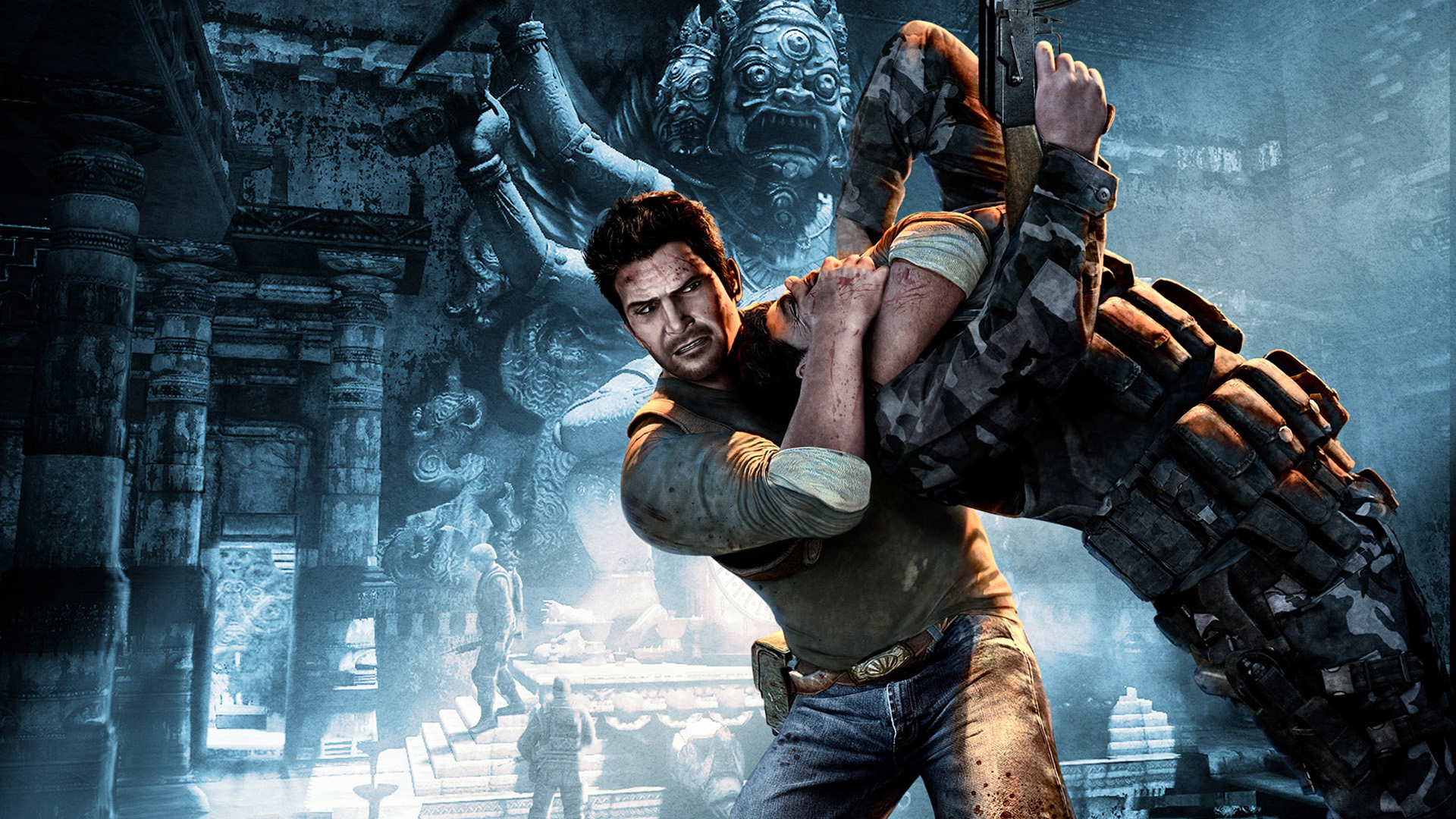
Uncharted 2: Among Thieves and Cinematic Storytelling
While Uncharted: Drake's Fortune proved the console's graphical capabilities, Uncharted 2: Among Thieves redefined cinematic action games forever. Featuring seamless transitions between intense gameplay and set-piece set action, natural character interactions, and impressive technical design, it set a new benchmark for third-person action-adventure titles.

The Last of Us: Pushing Hardware to Its Absolute Limits
Released near the end of the console's life cycle in 2013, The Last of Us demonstrated what the Cell processor was truly capable of when fully harnessed. Naughty Dog delivered a deeply emotional narrative combined with visceral survival gameplay and visual detail that rivaled early next-generation hardware, cementing the console's legacy on a high note.

System-Sellers: Metal Gear Solid 4: Guns of the Patriots and Beyond
Hideo Kojima’s masterpiece Metal Gear Solid 4: Guns of the Patriots served as an essential system seller early in the console's lifespan. Other major exclusive blockbusters included God of War III, Killzone 2, Resistance: Fall of Man, Gran Turismo 5, Infamous, and Heavy Rain. Meanwhile, games like LittleBigPlanet pioneered user-generated content and platform creative tools long before they became commonplace.

The Birth of the Soulslike Genre: Demon's Souls
In 2009, FromSoftware released Demon's Souls exclusively on the PS3. Its challenging difficulty, intricate world design, and subtle multiplayer mechanics laid the foundational groundwork for an entire gaming genre, paving the way for future massive titles like Dark Souls and Elden Ring.
The Evolution of PlayStation Network and PS Plus
The PlayStation 3 era established the foundational online infrastructure Sony uses today. Unlike competing online services at the time, PSN offered free online multiplayer throughout the generation. This accessibility made the system a popular choice for multiplayer enthusiasts playing major multiplatform games like Call of Duty: Modern Warfare 2 and Grand Theft Auto IV.
In 2010, Sony introduced PlayStation Plus. Initially an optional premium service, PS Plus redefined gaming subscriptions by introducing the "Instant Game Collection," providing members with rotating full-game downloads at no additional charge—a concept that heavily influenced modern gaming subscription services.
Frequently Asked Questions
Did the PlayStation 3 outperform the Xbox 360 in total sales?
Yes. Despite launching a full year after the Xbox 360 and facing significant early challenges, global lifetime sales for the PlayStation 3 eventually reached over 87 million units, narrowly surpassing the Xbox 360 by the end of the generation.
Why was the PS3 hardware so difficult for developers to work with?
The Cell Broadband Engine relied on an unconventional design consisting of one central PowerPC core alongside seven Synergistic Processing Units (SPUs). Effectively distributing game tasks across these specialized microprocessors required brand-new programming methods compared to traditional multi-core PC hardware.
Can all PlayStation 3 models play PS1 and PS2 games?
All PS3 models can play original PlayStation (PS1) physical game discs. However, only early launch models (primarily the original 20GB and 60GB hardware revisions) contained full physical hardware backward compatibility to play PlayStation 2 games natively off the disc.
Final Thoughts
The PlayStation 3 was far more than just a piece of gaming hardware; it stands as a testament to strategic resilience and creative engineering. By taking technical risks, backing premier development studios, and offering exceptional multimedia value, Sony converted a rocky start into one of the most celebrated turnarounds in gaming history. The enduring success of modern PlayStation systems relies directly on the lessons learned and classics produced during the PS3 era.
