


Introduction
Role-playing games (RPGs) have evolved from tabletop dice-rolling adventures into some of the most immersive and sprawling experiences in modern gaming. But with thousands of titles available across PC and consoles, what truly separates a standard release from an unforgettable masterpiece? Whether you prefer sprawling open-world epics or tactical turn-based adventures, the best RPGs share a set of core pillars that keep players hooked for hundreds of hours.
1. A Deep and Engaging Narrative

At the heart of every iconic RPG is a story that captures the player's imagination. A great narrative provides emotional weight, clear motivation, and memorable characters. In games like The Witcher 3: Wild Hunt, even minor side quests feature complex morality, distinct personalities, and genuine narrative depth rather than simple fetch-quest objectives.
2. Meaningful Player Agency and Consequence
Player agency is one of the defining characteristics of the role-playing genre. A great RPG respects player decisions and offers multiple paths to resolve conflicts. Games like Baldur's Gate 3 set a high standard by ensuring that choices—from dialogue options to combat tactics—have realistic and long-lasting consequences on the game world and its inhabitants.
3. Rewarding Character Progression and Customization
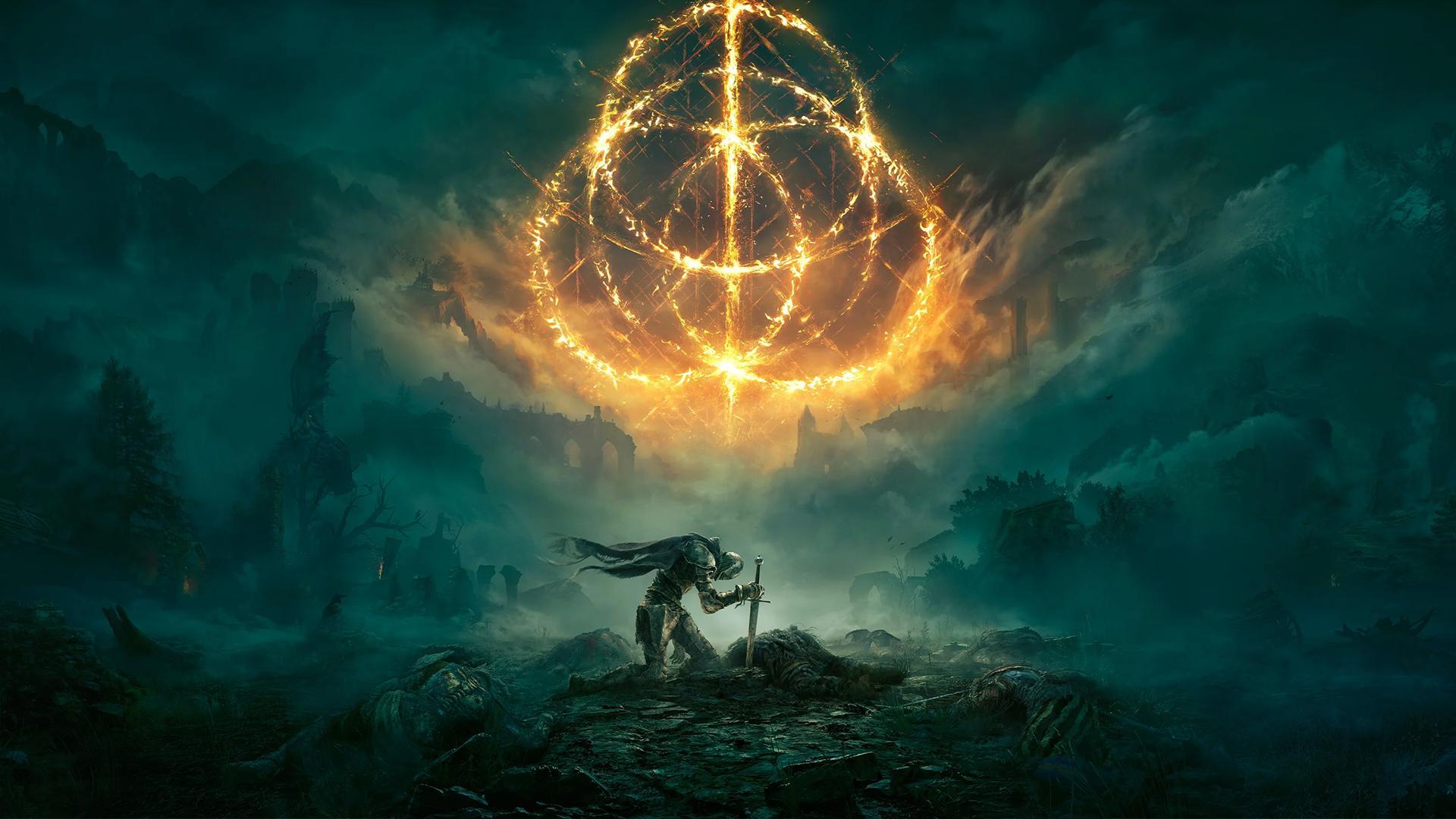
The feeling of growing from a vulnerable beginner into a formidable hero is immensely satisfying. Effective progression systems balance depth and accessibility, allowing players to build unique character playstyles through skill trees, gear, and stat distribution. Titles like Elden Ring and The Elder Scrolls V: Skyrim offer immense freedom in how players construct their builds.
4. Immersive World Building and Atmosphere
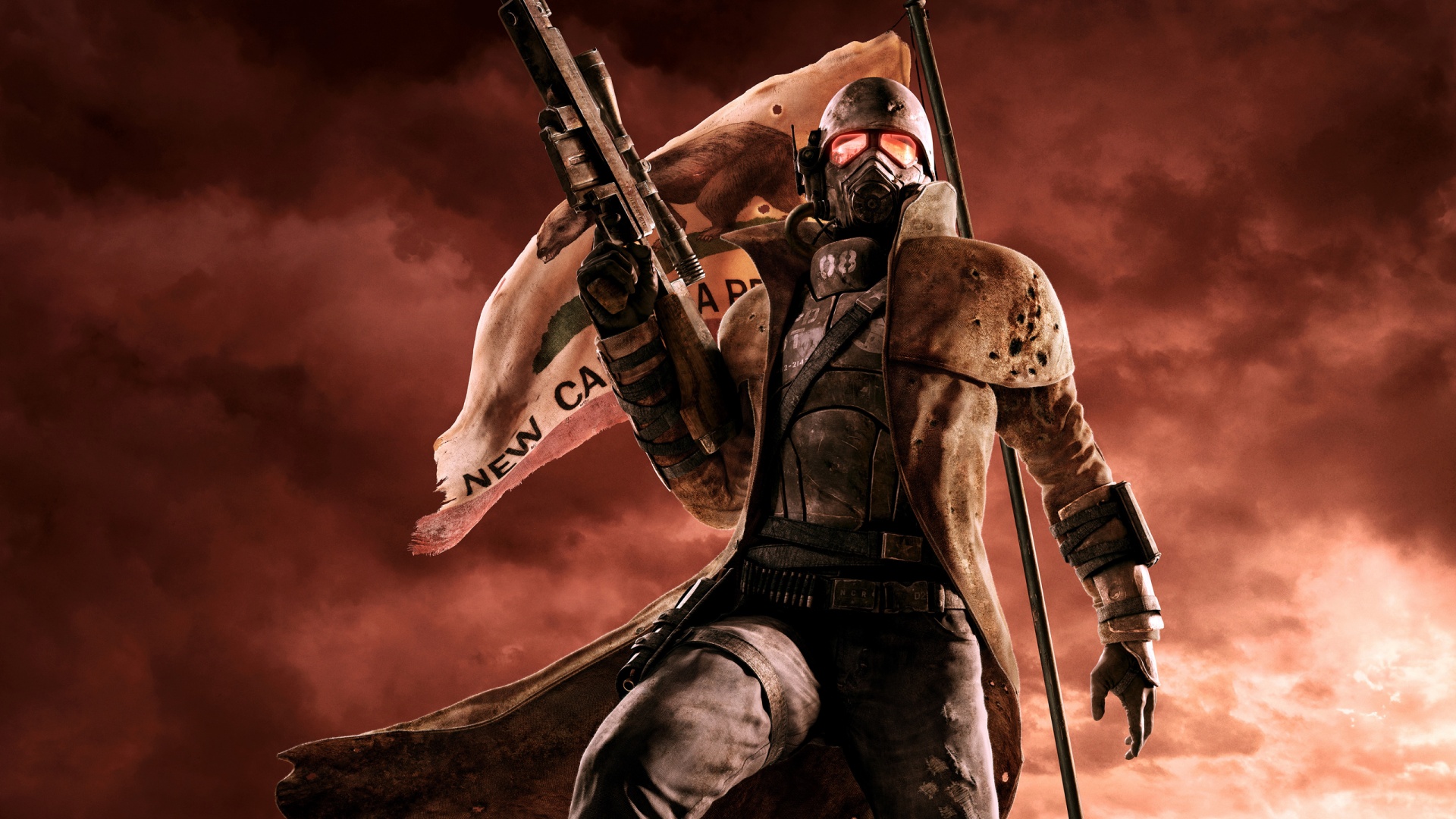
An RPG environment should feel like a living, breathing place with its own history, culture, and lore. Environmental storytelling, unique architecture, and atmospheric audio design encourage organic exploration. In Fallout: New Vegas, every ruin and settlement tells a distinct story about the post-apocalyptic world.
5. Engaging Combat and Gameplay Mechanics
Compelling story and lore must be matched by satisfying core mechanics. Whether an RPG utilizes real-time action combat, tactical turn-based strategy, or a hybrid system, the gameplay loop needs to remain engaging throughout a long campaign without feeling overly repetitive.
Frequently Asked Questions
What is the single most important feature of a great RPG?
While preferences vary among players, strong narrative writing and meaningful choice are generally considered the fundamental pillars that define the genre.
Can a linear game still be a great RPG?
Yes. Games like Final Fantasy X offer a more linear structure while delivering exceptional story, character growth, and strategic combat systems.
Final Thoughts
A truly great RPG is more than just the sum of its parts. When world-building, narrative, character progression, and gameplay systems work together seamlessly, the result is an experience that stays with players long after the credits roll.
