


Understanding the Metroidvania Genre
In modern video game discussions, terms like "roguelike," "soulslike," and "Metroidvania" get tossed around constantly. Among these, the Metroidvania subgenre stands out as one of the most beloved, enduring, and influential styles of level design in gaming history. But what exactly makes a game a Metroidvania?
At its core, a Metroidvania is a subgenre of action-adventure games focused on non-linear exploration, interconnected world design, and ability-gated progression. Players are typically dropped into a large, continuous map full of locked paths, hidden shortcuts, and mysterious obstacles that cannot be bypassed until specific upgrades, keys, or abilities are unlocked later in the game.
Where Did the Term "Metroidvania" Come From?
The term is a portmanteau formed by combining the names of two legendary Nintendo-era franchises: Metroid and Castlevania.
In 1986, Nintendo released Metroid on the Nintendo Entertainment System (NES). Unlike most side-scrolling platformers of the time, which forced players to move from left to right across linear levels, Metroid invited players to explore an alien world in multiple directions. Progress required finding upgrades like the Morph Ball or Missiles to blow open doors or fit into tiny tunnels.
Years later, Konami released Castlevania: Symphony of the Night in 1997. Directed by Koji Igarashi, the game took the traditionally linear action series and injected it with structural elements directly inspired by Nintendo's Super Metroid, alongside RPG elements such as leveling up, equipping weapons, and collecting loot. Fans and journalists began using the term "Metroidvania" to describe games that followed this precise structural blueprint.
The Core Pillars of Metroidvania Game Design
While many games feature open maps or character upgrades, a true Metroidvania relies on specific design pillars that set it apart from standard action games or open-world RPGs.
1. Interconnected, Non-Linear World Design
Rather than dividing the game into separate levels or stages, a Metroidvania usually takes place within one massive, continuous map. Different biomes—such as subterranean caves, ruined castles, or futuristic laboratories—are seamlessly connected. As you explore, you will uncover shortcuts that link distant zones back together, making navigation faster and more rewarding.
2. Ability-Based Progression ("Utility Gating")
Progress in a Metroidvania is not gated by simple story progress or keys; it is blocked by environmental hazards or physical barriers that require new movement or combat skills. For instance, you might encounter a ledge that is too high to reach early in the game. Hours later, after obtaining a double-jump ability or a grappling hook, you return to that location and unlock a brand-new region. This mechanic is often referred to as utility gating.
3. Backtracking and Discovery
Backtracking is an essential pillar of the genre rather than a flaw. As your character accumulates new equipment—such as wall-jumps, dash moves, underwater breathing gear, or elemental resistance—previously visited areas reveal secrets, hidden boss fights, health upgrades, and totally new branches of the map.
4. Guided Freedom and Environmental Storytelling
Metroidvanias rarely hold your hand with objective markers or mini-maps that pinpoint your exact destination. Instead, players are encouraged to map out regions mentally or on-screen, relying on landmarks, visual cues, and environmental context to deduce where to go next.
Essential Metroidvania Games You Need to Play
Whether you want to experience the classic origins or modern masterpieces, the following titles represent the absolute pinnacle of the Metroidvania genre.
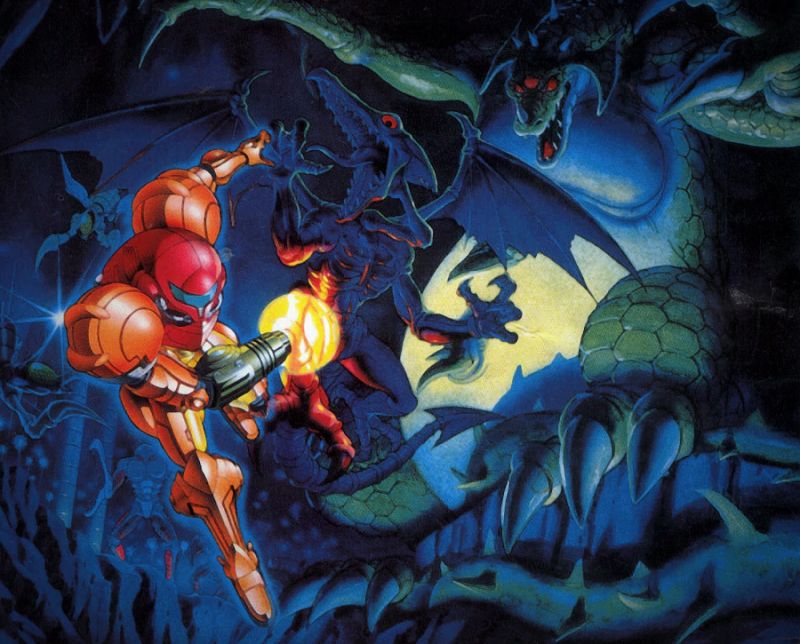
Super Metroid
Released on the Super Nintendo Entertainment System in 1994, Super Metroid set the gold standard for atmospheric design, map structure, and subtle environmental tutorialization. Following bounty hunter Samus Aran on the hostile planet Zebes, it remains a timeless masterclass in level design that still holds up effortlessly today.
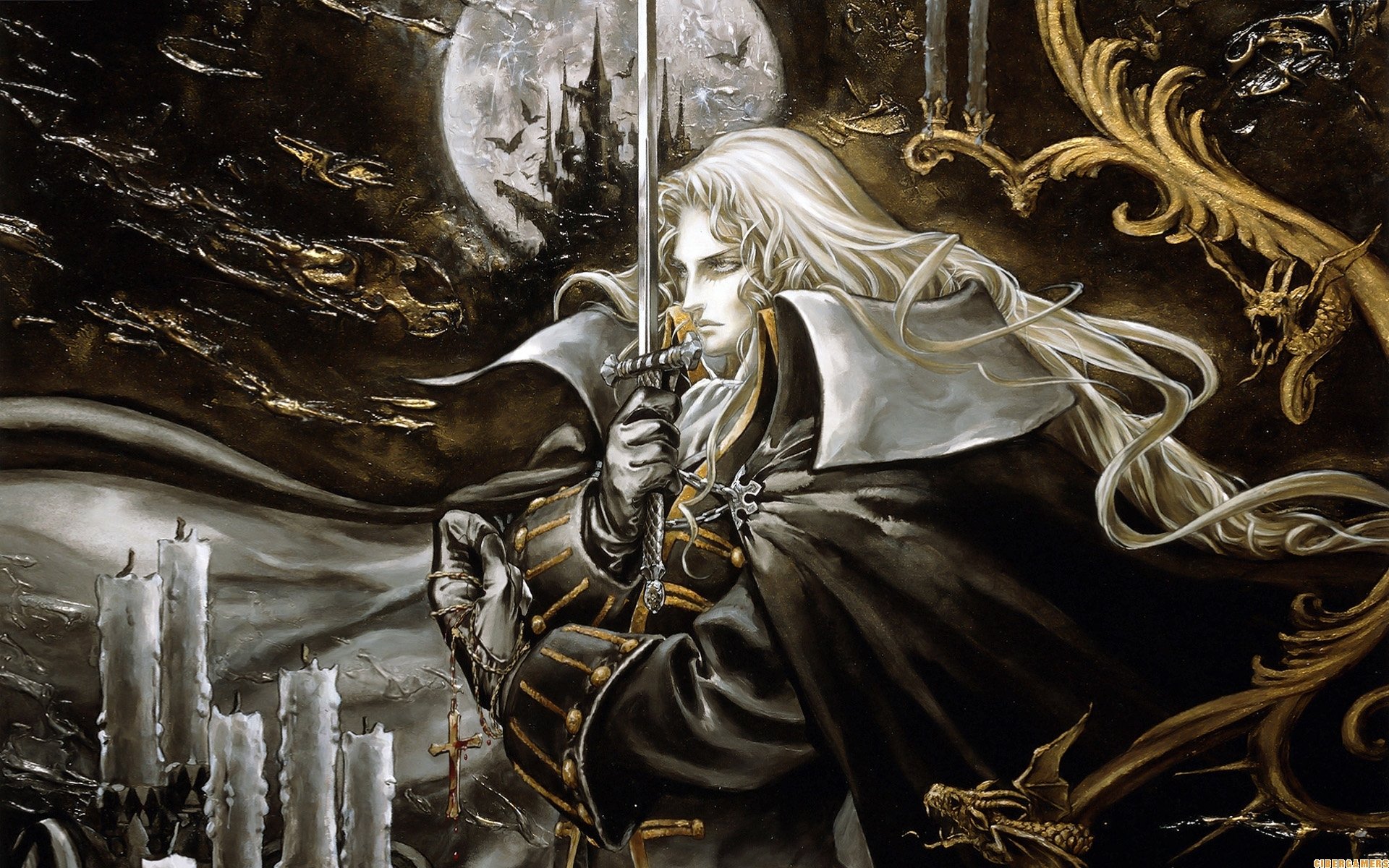
Castlevania: Symphony of the Night
The other half of the genre's namesake, Castlevania: Symphony of the Night introduced RPG mechanics, deep weapon systems, and iconic boss battles to the structural foundation laid by Samus's adventures. Controlling Alucard as he explores Dracula's sprawling castle remains an unforgettable experience.
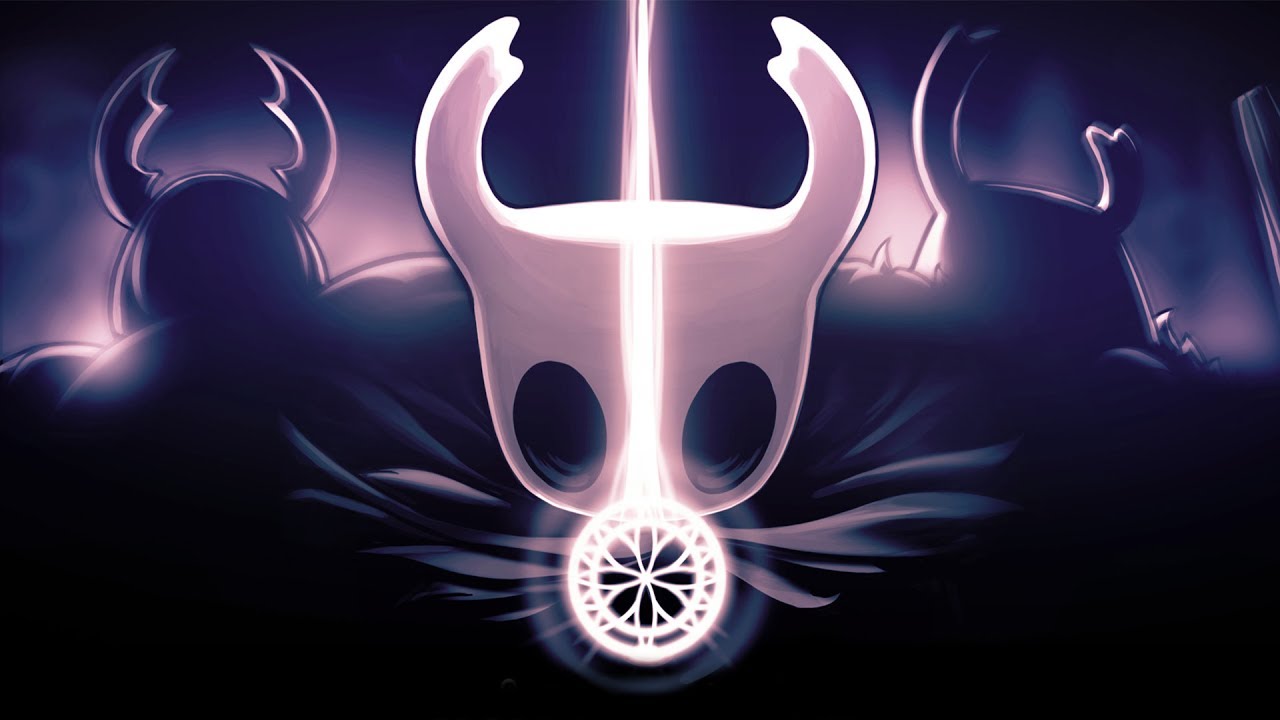
Hollow Knight
Developed by Team Cherry, Hollow Knight is widely considered the modern king of the genre. Set in the melancholic, ruined insect kingdom of Hallownest, this indie hit combines massive, dense world design, tight platforming, punishing boss encounters, and deep lore into an unforgettable journey.
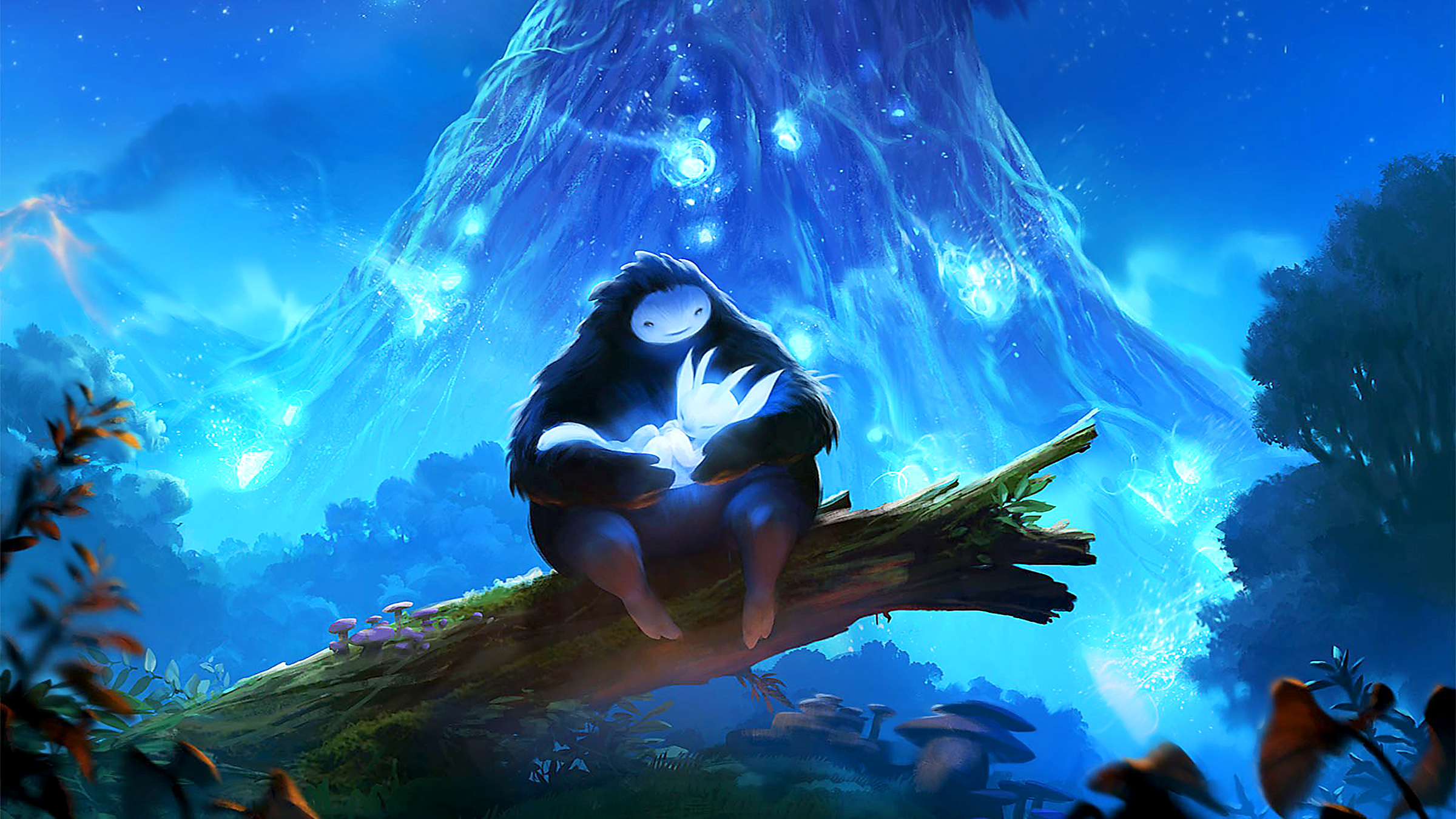
Ori and the Blind Forest
Focusing heavily on fluid movement, platforming precision, and breathtaking visual aesthetics, Ori and the Blind Forest (and its stellar sequel Ori and the Will of the Wisps) proved that Metroidvanias can be emotional, narrative-rich spectacles while keeping core exploration intact.
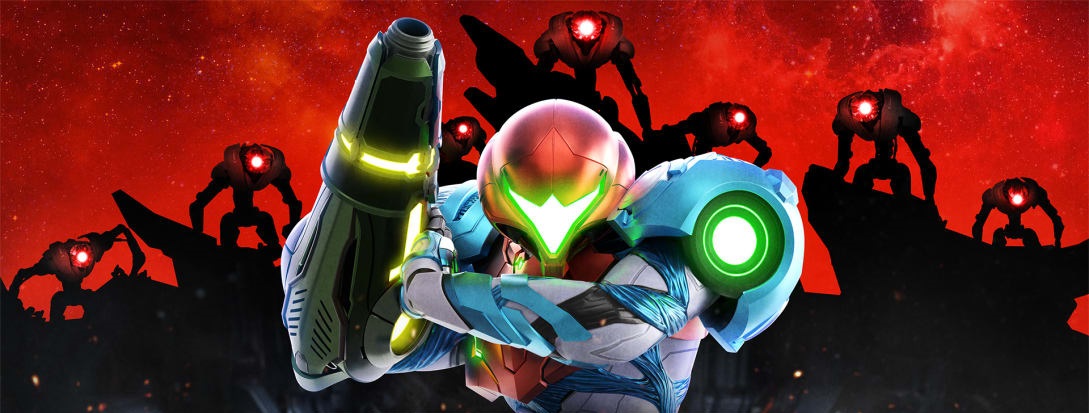
Metroid Dread
Bringing the classic franchise into the modern era on the Nintendo Switch, Metroid Dread features lightning-fast combat, thrilling stealth-chase mechanics with E.M.M.I. robots, and exceptionally slick world navigation that highlights why the series founded the genre in the first place.
Metroidvania vs. Other Subgenres
Because modern gaming blends mechanics across categories, it helps to distinguish Metroidvanias from similar-sounding genres:
- Metroidvania vs. Roguelike: Metroidvanias feature persistent, handcrafted maps and permanent ability upgrades. Roguelikes (such as Dead Cells, which blends both into a "Roguevania") feature procedurally generated levels where progress resets upon death.
- Metroidvania vs. Soulslike: Soulslikes focus heavily on stamina-based combat, high difficulty, and corpse-retrieval mechanics upon death (popularized by Dark Souls). While titles like Blasphemous crossover both worlds, a Metroidvania's core identity relies primarily on ability gating rather than purely stamina management or difficulty.
- 2D vs. 3D Metroidvanias: While most classic Metroidvanias are 2D side-scrollers, the genre design principles work brilliantly in 3D. Games like Metroid Prime, Batman: Arkham Asylum, Control, and Star Wars Jedi: Fallen Order are quintessential 3D Metroidvanias.
Frequently Asked Questions
What was the very first Metroidvania game?
While the original Metroid (1986) established the core structural template of non-linear exploration and unlockable abilities, Castlevania II: Simon's Quest (1987) also experimented early with open-ended design. However, Super Metroid (1994) and Castlevania: Symphony of the Night (1997) refined these mechanics into the established subgenre we recognize today.
Do all Metroidvania games have to be 2D?
No. While the genre originated in two dimensions, the design philosophy of utility gating, interconnected maps, and backtracking translates seamlessly into 3D games. Excellent 3D examples include Metroid Prime, Star Wars Jedi: Fallen Order, and Control.
What makes a Metroidvania fun to play?
The main appeal lies in the satisfying sensation of mastery and curiosity. Re-exploring an area that once seemed impossible or inaccessible, effortlessly overcoming obstacles with your newly acquired abilities, and mapping out a mysterious world provides a deep sense of accomplishment that few other game genres can match.
Final Thoughts
The Metroidvania genre continues to thrive because its foundation is rooted in fundamental video game design principles: curiosity, player empowerment, and intelligent level architecture. From timeless classics like Super Metroid to modern masterworks like Hollow Knight, stepping into an interconnected, mysterious world with a blank map remains one of gaming's greatest pleasures.
