


Rediscovering the Forgotten Classics of the PlayStation Era
The original Sony PlayStation defined the late 1990s gaming landscape. With blockbuster titles like Final Fantasy VII, Metal Gear Solid, Resident Evil, and Crash Bandicoot, the console accumulated one of the strongest libraries in video game history. However, because the PS1 catalog boasts thousands of titles, many outstanding experiences were overshadowed by massive marketing budgets or released late in the console's lifecycle.
If you are looking to explore retro games that offer incredible depth, creative mechanics, and unique atmospheres, this definitive list highlights the top 20 most underrated PS1 games that deserve a second look today.
20 Underrated PS1 Masterpieces Worth Playing
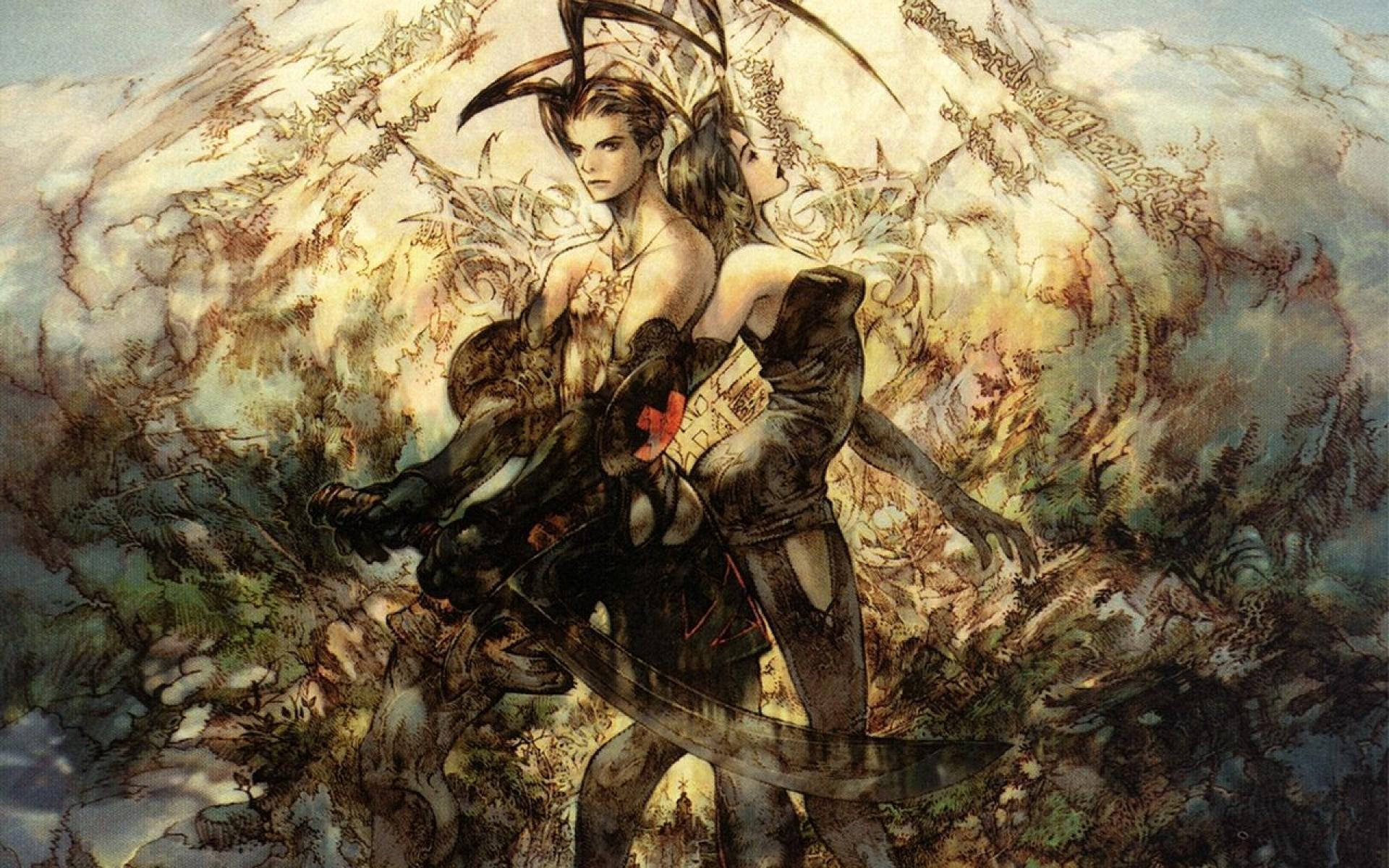
1. Vagrant Story
Developed by Square's elite team behind tactical masterpieces, Vagrant Story is a dark fantasy action-RPG featuring an unprecedented level of cinematic presentation for its era. Players control Ashley Riot in the ruined city of Leá Monde. Featuring a complex weapon crafting system, body-part targeting mechanics, and a gritty story, it stands as one of the most sophisticated titles on the platform.

2. Tomba!
Created by Tokuro Fujiwara, Tomba! delivers an inventive blend of 2.5D side-scrolling platforming and quest-driven RPG design. Players control a wild jungle boy fighting evil pigs to recover his grandfather's bracelet. Its non-linear quest system was far ahead of its time, making it a unique classic that didn't receive the massive sales it earned critically.
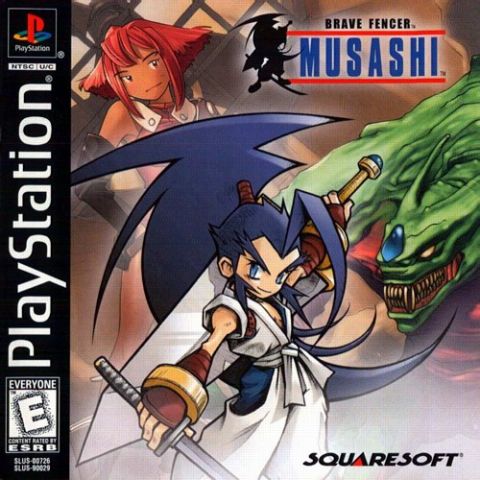
3. Brave Fencer Musashi
An energetic action-RPG from Square, Brave Fencer Musashi presents a lighthearted adventure with real-time combat, voice acting, and an in-game day/night cycle. Musashi can absorb enemy abilities to solve puzzles and navigate stages, blending traditional action elements with clever mechanical progression.

4. Parasite Eve
Combining cinematic survival horror with active-time battle RPG mechanics, Parasite Eve delivers a thrilling story set in New York City. Following NYPD officer Aya Brea as she confronts a biological threat, the game offers a cinematic narrative tone distinct from traditional fantasy RPGs of the period.
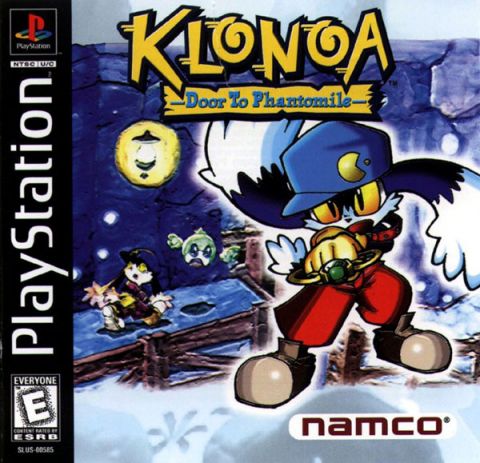
5. Klonoa: Door to Phantomile
While platformer mascots flooded the 32-bit era, Klonoa: Door to Phantomile set itself apart through 2.5D level geometry and tight puzzle-platforming mechanics. Players use Klonoa's wind bullet to grab enemies and double-jump or throw them into the background, creating ingenious level design coupled with an emotional narrative.

6. Silent Bomber
An explosive arcade-style action title, Silent Bomber reimagines top-down shooters by substituting traditional guns with plantable landmines and remote explosives. Players must constantly move, attach bombs to enemies, and detonate them in chain reactions, offering unmatched intensity and satisfaction.

7. Einhander
Square's rare foray into the side-scrolling shoot 'em up genre resulted in Einhander, a visually stunning arcade shooter. Featuring a dynamic camera, exceptional electro-industrial soundtrack, and a manipulator arm mechanics that lets players steal weapons directly from defeated boss ships, it remains a high watermark for PS1 shmups.
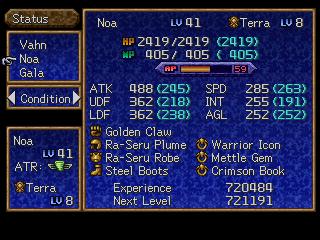
8. Legend of Legaia
Released during the golden age of turn-based console RPGs, Legend of Legaia distinguishes itself with its Tactical Arts battle system. Instead of simply selecting commands from a menu, players input directional attack combinations similar to a fighting game to perform specialized martial arts combos.
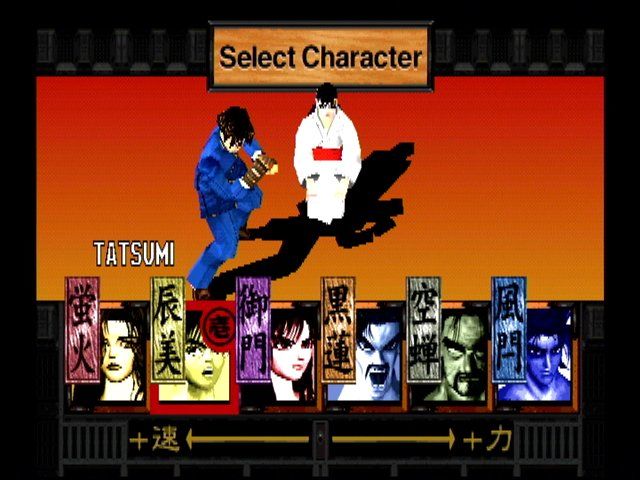
9. Bushido Blade
Reinventing the traditional fighting game genre, Bushido Blade eliminates health bars and round timers in favor of realistic lethal combat. A single well-placed sword strike can end a match instantly or disable an opponent's limb, demanding patience, spacing, and tactical precision from players.
10. Alundra
Often dubbed the PlayStation equivalent to classic top-down action-adventures like The Legend of Zelda: A Link to the Past, Alundra features intricate, challenging puzzles and a dark, mature narrative focused on entering the subconscious nightmares of villagers to save them.
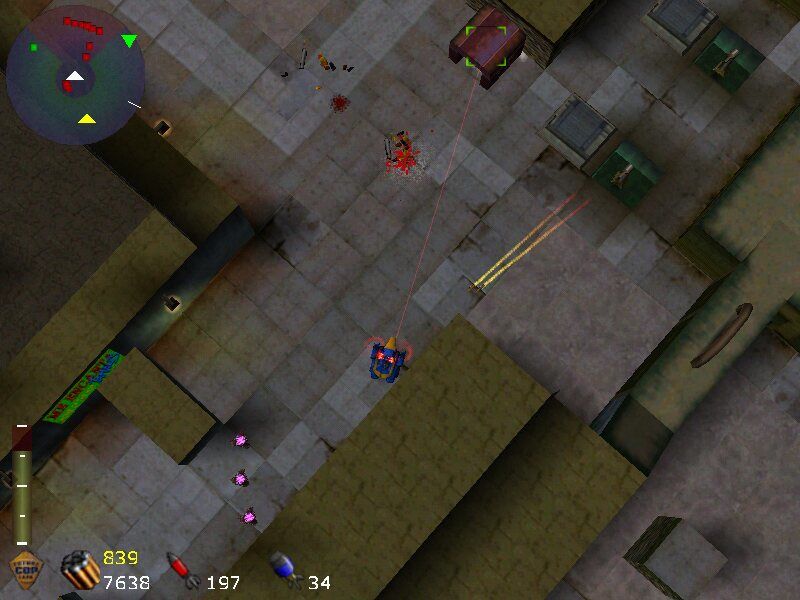
11. Future Cop: LAPD
Originally planned as an installment in the Strike series, Future Cop: LAPD drops players into a transformable mech battling futuristic crime across dystopian cityscapes. Beyond its solid single-player campaign, its Precinct Assualt mode inadvertently pioneered early MOBA-style gameplay strategies on home consoles.
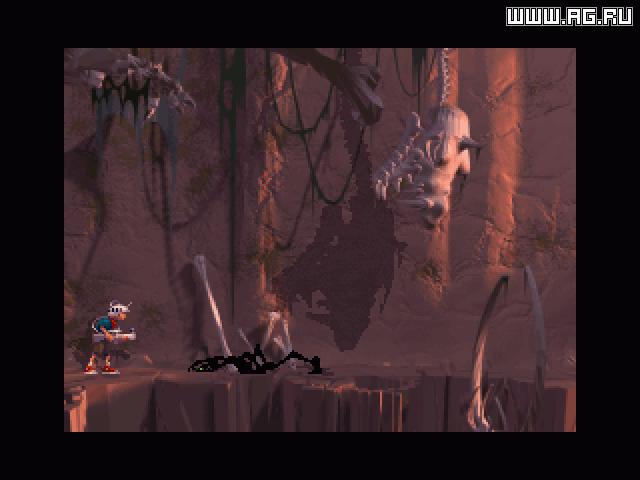
12. Heart of Darkness
Developed over six years by Eric Chahi, the creator of Another World, Heart of Darkness is a cinematic platformer with fluid pre-rendered animations and orchestral music. Players guide young Andy through hostile alien lands to save his dog, encountering brutal puzzles and dark atmospheres along the way.
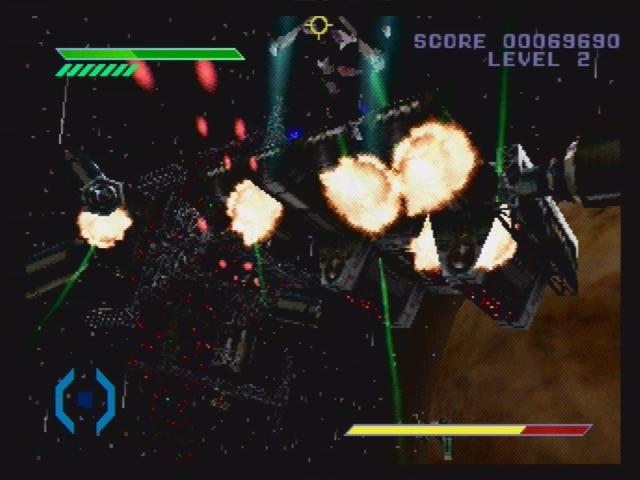
13. Omega Boost
Created by Polyphony Digital, the developers behind Gran Turismo, Omega Boost is a visually spectacular 3D mech shooter. Pushing the PS1 graphics hardware to its absolute limits with locked 60 FPS gameplay, light trails, and dramatic camera shifts, it stands as one of the technical achievements of the 32-bit generation.
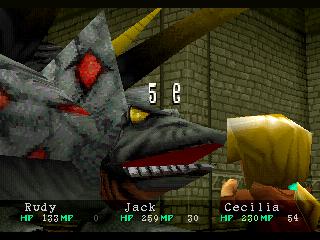
14. Wild Arms
Combining traditional fantasy RPG elements with a distinct American Wild West aesthetic, Wild Arms features an iconic whistling soundtrack, early 3D battle graphics, and tools-based field exploration puzzles similar to action-adventure titles.
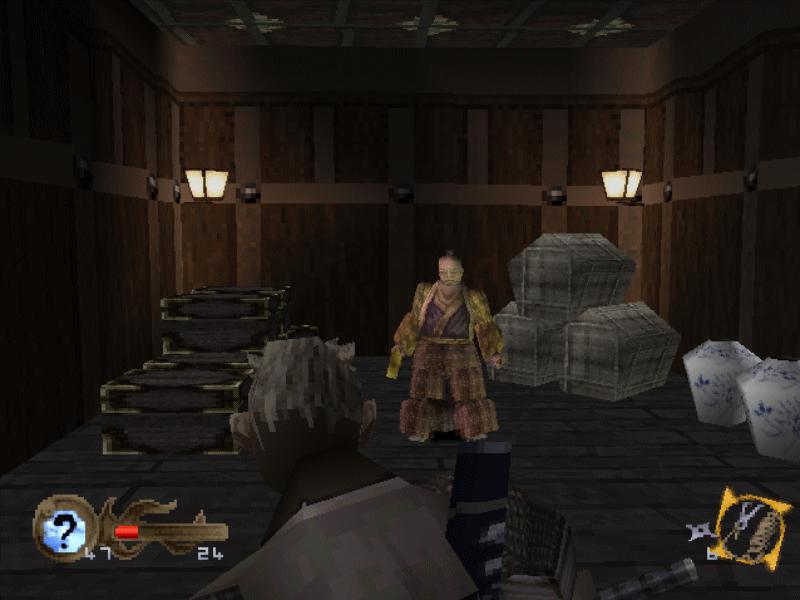
15. Tenchu: Stealth Assassins
While later stealth franchises garnered mainstream attention, Tenchu: Stealth Assassins laid the blueprint for modern stealth-action titles. Players control ninja operatives utilizing grapple hooks, roof traversal, and silent assassinations to complete feudal Japanese missions.
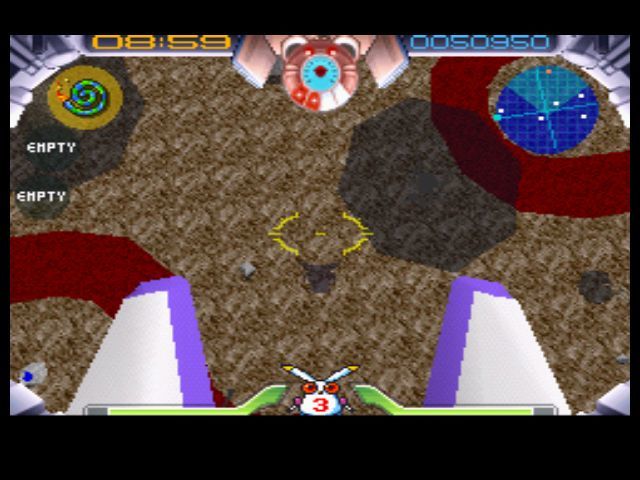
16. Jumping Flash!
As a launch-era title, Jumping Flash! holds a spot in gaming history as one of the earliest true 3D platformers. Controlling a mechanical rabbit named Robbit, players jump across towering floating platforms in first-person perspective, delivering an unheard-of sense of verticality for 1995.
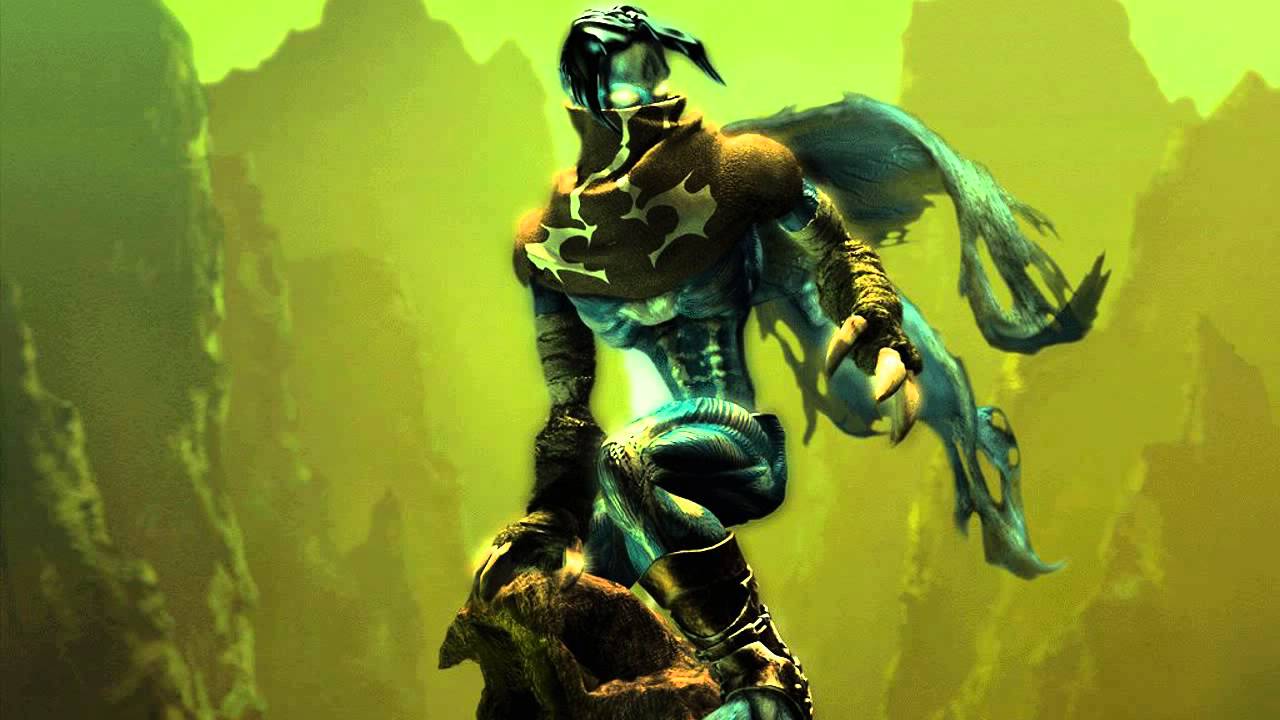
17. Legacy of Kain: Soul Reaver
Featuring seamless world loading without transition screens, gothic art direction, and voice acting performance led by Michael Bell and Simon Templeman, Legacy of Kain: Soul Reaver allowed players to shift between material and spectral realms instantly to solve environmental puzzles.

18. G-Police
Set in a cyberpunk dome colony on Jupiter's moon Callisto, G-Police puts players in the cockpit of a heavily armed VTOL gunship. With complex flight physics, dynamic lighting, and urban combat mission structures, it stands as a forgotten gem of sci-fi flight action.
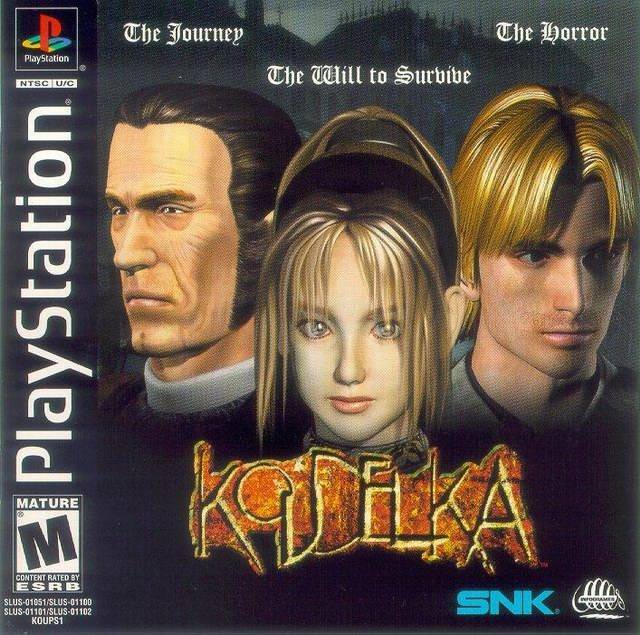
19. Koudelka
Serving as the precursor to the beloved Shadow Hearts series, Koudelka mixes gothic horror, survival mechanics, turn-based tactical combat, and fully motion-captured cutscenes set inside a haunted Welsh manor during the late 19th century.

20. Threads of Fate
Threads of Fate offers two distinct playable protagonists: Rue, who can transform into defeated monsters, and Mint, a spoiled princess who utilizes customizable magic spells. This dual-narrative action-RPG provides high replay value and charm that went under the radar during Square's late PS1 output.
Frequently Asked Questions
Why are these PS1 games considered underrated?
Many of these titles released near the end of the PlayStation lifecycle when public attention shifted toward the upcoming PlayStation 2. Others suffered from limited localized print runs, niche genre classifications, or heavy competition against blockbuster titles like Castlevania: Symphony of the Night and Tekken 3.
Are these underrated PS1 games playable on modern platforms?
Several of these titles, such as Vagrant Story, Wild Arms, Klonoa: Door to Phantomile, and Legend of Legaia, have been added to digital storefronts like the PlayStation Network or remastered for modern platforms like PS4, PS5, Nintendo Switch, and PC.
Final Thoughts
The original PlayStation era was defined by rapid mechanical experimentation and genre innovation. Beyond the well-known blockbusters, exploring forgotten gems like Silent Bomber, Parasite Eve, and Tomba! highlights just how diverse and forward-thinking the 32-bit generation really was.
