


When Sony launched the PlayStation 3 in late 2006, the console gaming landscape was on the verge of a massive shift. Coming off the unprecedented success of the PlayStation 2—the best-selling console of all time—Sony entered the seventh generation with supreme confidence. However, that confidence quickly met harsh reality. The initial launch of the PS3 was plagued by a staggering price tag, infamous marketing stumbles, and complex hardware that alienated third-party developers.
Yet, looking back nearly two decades later, the PlayStation 3 is remembered not as a failure, but as one of the most impressive turnaround stories in interactive entertainment. It laid the technological and narrative foundation for modern gaming, introducing features and franchises that continue to define the industry on the PlayStation 4 and PlayStation 5 today.
The Rocky Beginning: High Prices and Complex Architecture
The PlayStation 3 launched at $599 for the 60GB model—a price point that shocked both media and consumers. Paired with hubristic executive messaging at the time, Sony struggled to match the early momentum of Microsoft's Xbox 360, which had launched a year earlier at a significantly lower price.
At the center of the console's early troubles was its custom hardware. Sony built the system around the Cell Broadband Engine, a revolutionary processor co-developed with Toshiba and IBM. While the Cell processor was immensely powerful for raw computational tasks, its exotic multi-core structure made developing multi-platform games an absolute nightmare for studio programmers. Early multiplatform titles frequently suffered from lower framerates and downgraded textures compared to competing hardware.
Turning the Tide: Hardware Revisions and PlayStation Network
Sony realized that survival required fundamental changes. In 2009, the company introduced the PS3 Slim—a sleeker, more energy-efficient redesign accompanied by a major price drop to $299. This move revitalized consumer interest worldwide.
Simultaneously, Sony expanded its digital architecture. Unlike its main competitor, the PlayStation Network (PSN) offered free online multiplayer out of the box, attracting millions of gamers looking to play titles like Call of Duty: Modern Warfare 2 without a paid subscription. In 2010, Sony introduced PlayStation Plus, offering subscribers free monthly digital games—a concept that transformed how digital game services operate across the entire industry.
Innovations That Defined a Generation
The PS3 introduced several groundbreaking features that remain staples of modern home consoles:
- The Trophy System: Launched in 2008 to compete with Xbox Achievements, introducing the elusive Platinum Trophy for completing every challenge in a game.
- Blu-ray Standard: By integrating a built-in Blu-ray player, Sony decisively won the high-definition format war against HD DVD, giving game developers up to 50GB of storage on a single disc.
- XrossMediaBar (XMB): An iconic, ultra-sleek user interface that seamlessly blended media playback, settings, and social features.
The First-Party Exclusives That Saved the Console
What truly transformed the PlayStation 3 from a struggling machine into an iconic system was Sony's internal development studios. As developers finally mastered the complex Cell architecture, Sony Interactive Entertainment released a string of masterclasses in storytelling and visual fidelity.
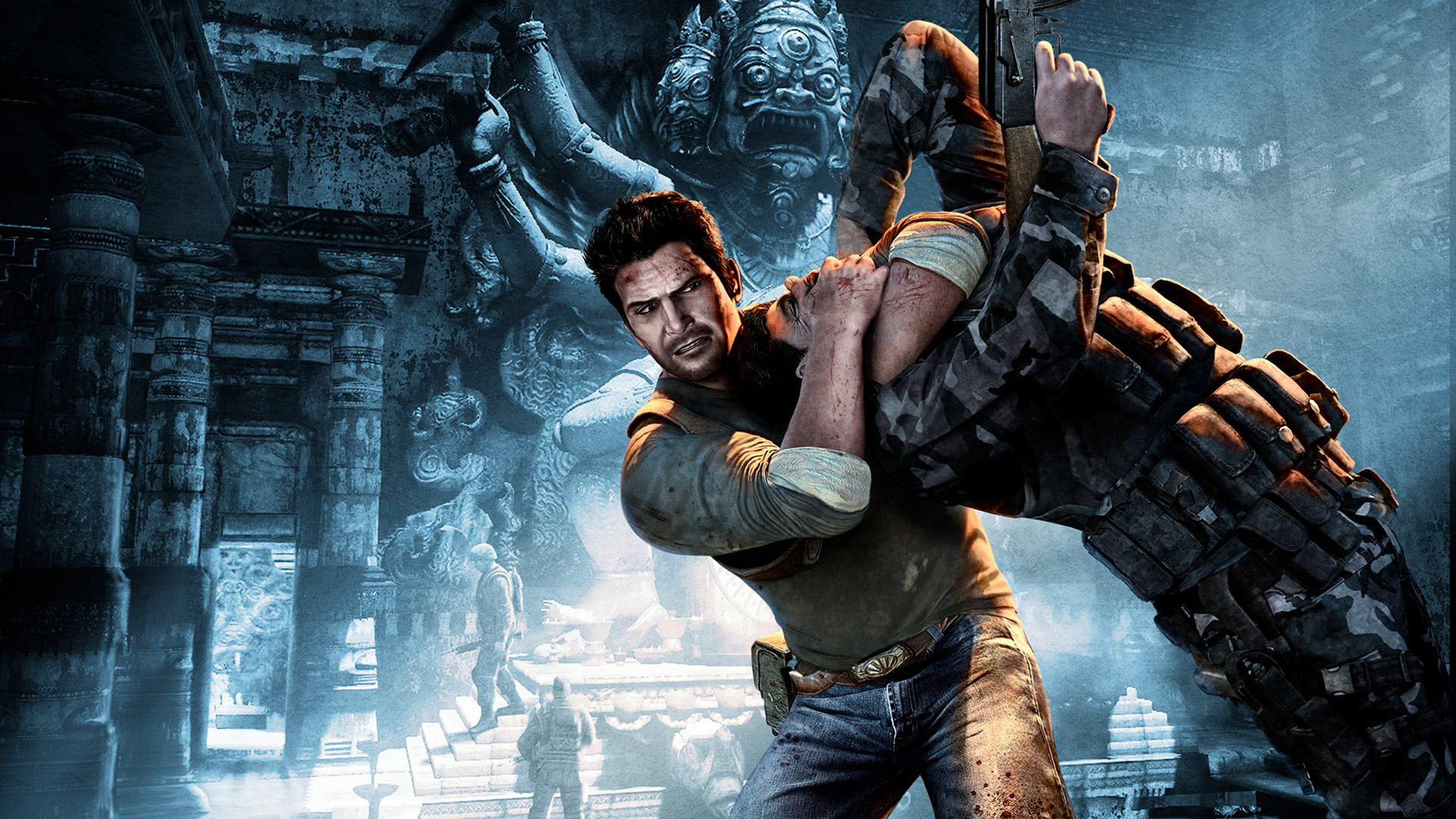
Uncharted 2: Among Thieves
While the original Uncharted: Drake's Fortune proved promising, Naughty Dog's 2009 sequel, Uncharted 2: Among Thieves, redefined cinematic action games. Featuring setpieces that rivaled Hollywood blockbusters, seamless transitions between gameplay and cutscenes, and charming characters, it set a new industry benchmark for third-person action games.

The Last of Us
Released in 2013 at the very tail end of the console's lifecycle, The Last of Us pushed the hardware to its absolute limit. Naughty Dog's post-apocalyptic masterpiece delivered emotional storytelling, deeply grounded characters, and visceral survival gameplay, securing its place as one of the greatest video games ever made.

Demon's Souls
In 2009, FromSoftware released Demon's Souls exclusively on the PS3. While initially overlooked by mainstream media, its uncompromising difficulty, rich world-building, and mysterious atmosphere birthed an entire global subgenre. Without Demon's Souls, modern classics like Dark Souls and Elden Ring would simply not exist in their current form.

Metal Gear Solid 4: Guns of the Patriots
Hideo Kojima's highly anticipated stealth epic took full advantage of the dual-layer Blu-ray format, packing hours of fully rendered cutscenes, exquisite audio engineering, and complex stealth mechanics into a single package that remains locked to the PS3 hardware to this day.

God of War III
Santa Monica Studio proved what raw power looked like in 2010. God of War III opened with Kratos fighting mythical gods atop Titans the size of skyscrapers, featuring scale and visual detail that left players mesmerized.
The Architectural Dilemma: PS3's Legacy in Modern Preservation
While the Cell architecture enabled developers to pull off technological miracles by 2013 with games like Grand Theft Auto V, it also created a lingering burden for game preservation. Because the processor was so vastly different from modern x86 computer architecture, backward compatibility on subsequent consoles proved difficult.
While Sony solved PS2 backward compatibility on early PS3 models via actual hardware components, bringing PS3 games natively to the PS4 and PS5 has been a monumental engineering challenge. Today, many classic titles like Killzone 2, Infamous, and Resistance: Fall of Man remain largely tied to original hardware or cloud streaming services.
Frequently Asked Questions
Why was the PlayStation 3 so expensive at launch?
The original PS3 was packed with cutting-edge technology, including the complex Cell Broadband Engine processor, a built-in Blu-ray disc drive, built-in Wi-Fi, and actual PlayStation 2 hardware components to ensure backward compatibility. Manufacturing these components was exceptionally costly for Sony.
What was the Cell Processor and why was it hard to program for?
The Cell processor consisted of a central PowerPC core and eight specialized synergistic processing units (SPUs). Unlike standard computer chips of the era, programmers had to manually divide task workloads across these cores, making early software development incredibly tedious and difficult.
Did the PS3 end up selling more units than the Xbox 360?
Yes. Despite launching a year later and suffering a severe financial handicap early on, the PlayStation 3 eventually surpassed the total worldwide lifetime sales of the Xbox 360, reaching over 87 million units sold globally.
Final Thoughts
The legacy of the PlayStation 3 is defined by resilience and innovation. It began as a cautionary tale about corporate hubris and overly complicated design, but transformed into a golden era of narrative-driven single-player games. The lessons Sony learned during the PS3 era shaped the incredible consumer-focused strategy that made the PlayStation 4 a massive triumph and continues to guide the PlayStation 5 today.
