


Introduction and Historical Context
In 2012, browser gaming was experiencing a golden era, evolving beyond simple arcade games into deep, immersive multiplayer experiences. Among the standout titles of this era was The Last Stand: Dead Zone. Building upon the massive success of the earlier action-flash titles The Last Stand and The Last Stand 2, developer Conartist Games shifted gears to create a real-time tactical strategy and base-building MMORTG that set a high standard for web-based zombie survival games.
Developer Background
Conartist Games, led by primary developer Chris Cheadle, established a formidable reputation in the indie gaming scene through their gritty aesthetic and challenging gameplay mechanics. With Dead Zone, the studio demonstrated an ambitious leap in scope, transitioning from simple wave-based survival shooters to a persistent, online tactical experience that kept players coming back for years.
Story and Narrative
Set in the ruined landscape of Union City following a catastrophic zombie apocalypse, the narrative of The Last Stand: Dead Zone is driven by player survival rather than a traditional scripted storyline. You assume the role of a compound leader responsible for a group of survivors fighting for their lives in the infected "Dead Zone."
While the story is largely emergent—crafted through your choices, scavenging raids, and interactions with rival factions—the atmospheric lore is rich. Through item descriptions, atmospheric environment design, and survivor backstories, players uncover a bleak world where the remaining human population is often more dangerous than the infected hordes.
Graphics and Visual Style
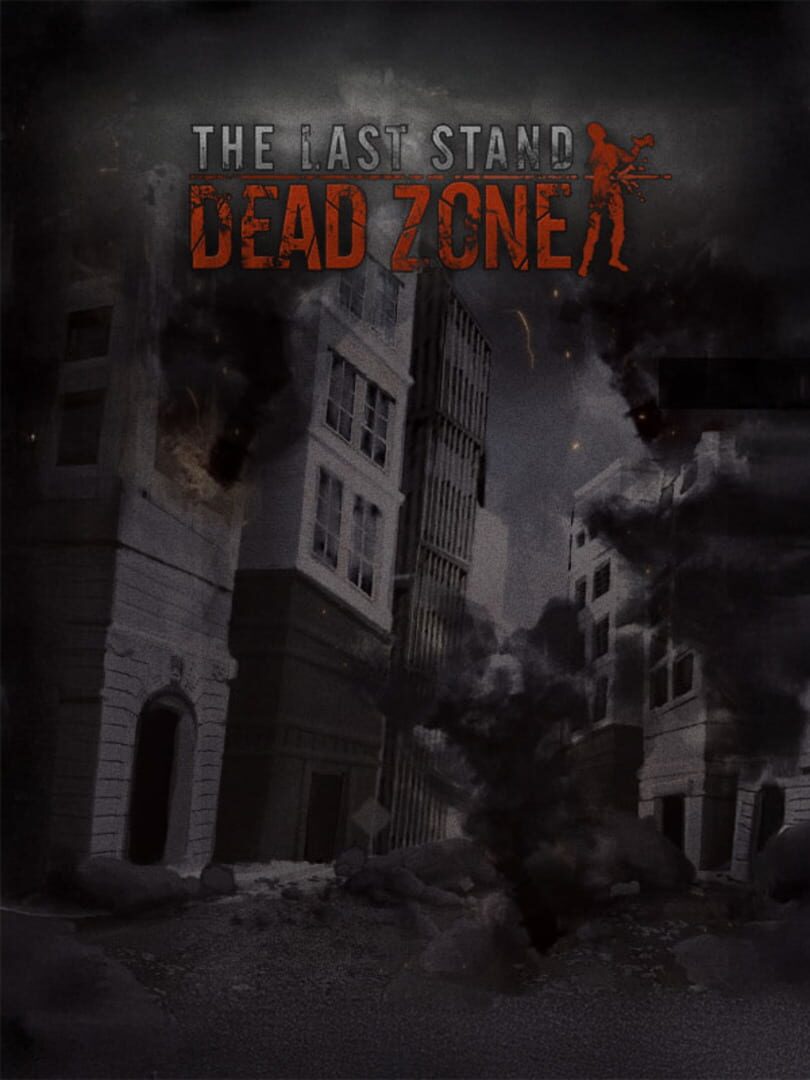
For a web-based title released in 2012, the graphical presentation of The Last Stand: Dead Zone was exceptionally strong. Utilizing a clean, isometric 2.5D perspective, the game delivered detailed character models, customized equipment visuals, and atmospheric post-apocalyptic environments.
- Atmosphere: Gritty, muted color palettes effectively capture the desperate, decaying feel of a fallen city.
- Visual Detail: Weapons, clothing, and barricades reflected actual tactical gear and makeshift survival equipment.
- Animations: Combat animations, character movements, and infection effects added tension to every scavenging run.
Platforms and Accessibility
When original launched in 2012, The Last Stand: Dead Zone was accessible across several major web platforms:
- Facebook Games
- Armor Games
- Kongregate
- Steam / Direct Client (Later releases)
Note on Playability: Due to the deprecation of Adobe Flash Player in late 2020, the official servers for Dead Zone were decommissioned. However, fans of the franchise can experience the spirit of the game through spiritual successors and offline installments released by Conartist Games, such as The Last Stand: Aftermath on modern consoles and PC.
Gameplay Overview and Key Mechanics
| Feature | Description |
|---|---|
| Base Building | Construct shelters, resource generators, water collectors, and defensive barriers to protect your compound. |
| Scavenging Raids | Send customized teams of survivors into high-risk urban zones to loot supplies, weapons, and medical gear. |
| Real-Time Combat | Direct survivor movement and target priority in tactical, real-time engagements against zombies and human raiders. |
| Survivor Management | Manage food, water, morale, specialized roles (Recon, Engineer, Fighter, Scavenger), and injuries. |
Final Recommendation
The Last Stand: Dead Zone (2012) remains one of the finest examples of flash-era tactical strategy games. It successfully combined base management, tactical combat, and atmospheric storytelling into a cohesive, highly addictive loop. For gamers interested in the history of zombie survival titles or tactical strategy games, Dead Zone stands as a monumental milestone that paved the way for modern indie survival hits.
Verdict: 4.5/5 — A classic post-apocalyptic tactical management game that defined an era of browser gaming.

