


The Legendary Journey of Kratos
Few video game franchises have achieved a transformation as dramatic and critically acclaimed as God of War. Beginning in 2005 as a visceral, fixed-camera hack-and-slash action title on the PlayStation 2, the series redefined scale and brutal combat. Over two decades, Santa Monica Studio reinvented the franchise, turning a tale of pure rage into a deeply emotional, cinematic masterclass in storytelling.
The Greek Era: Pure Vengeance and Hack-and-Slash Supremacy
The original era of the franchise focused on Kratos, the Ghost of Sparta, tricked into slaying his family by Ares. Fueled by vengeance, Kratos embarked on a bloody crusade to tear down Mount Olympus.
- God of War (2005): Established the foundational mechanics—fast-paced combo combat using the iconic Blades of Chaos, puzzle solving, and cinematic Quick-Time Events (QTEs).
- God of War II (2007): Expanded the scope significantly on PS2, introducing grander boss fights, new magic abilities, and tighter pacing.
- God of War III (2010): Delivered a spectacular finale on the PlayStation 3, featuring unprecedented graphical fidelity, giant Titan battles, and the relentless destruction of the Greek pantheon.
The Norse Era: Narrative Maturity and Gameplay Redesign
After the release of God of War: Ascension, the classic formula began to show fatigue. Santa Monica Studio took a massive creative risk by completely reimagining the series with God of War (2018).
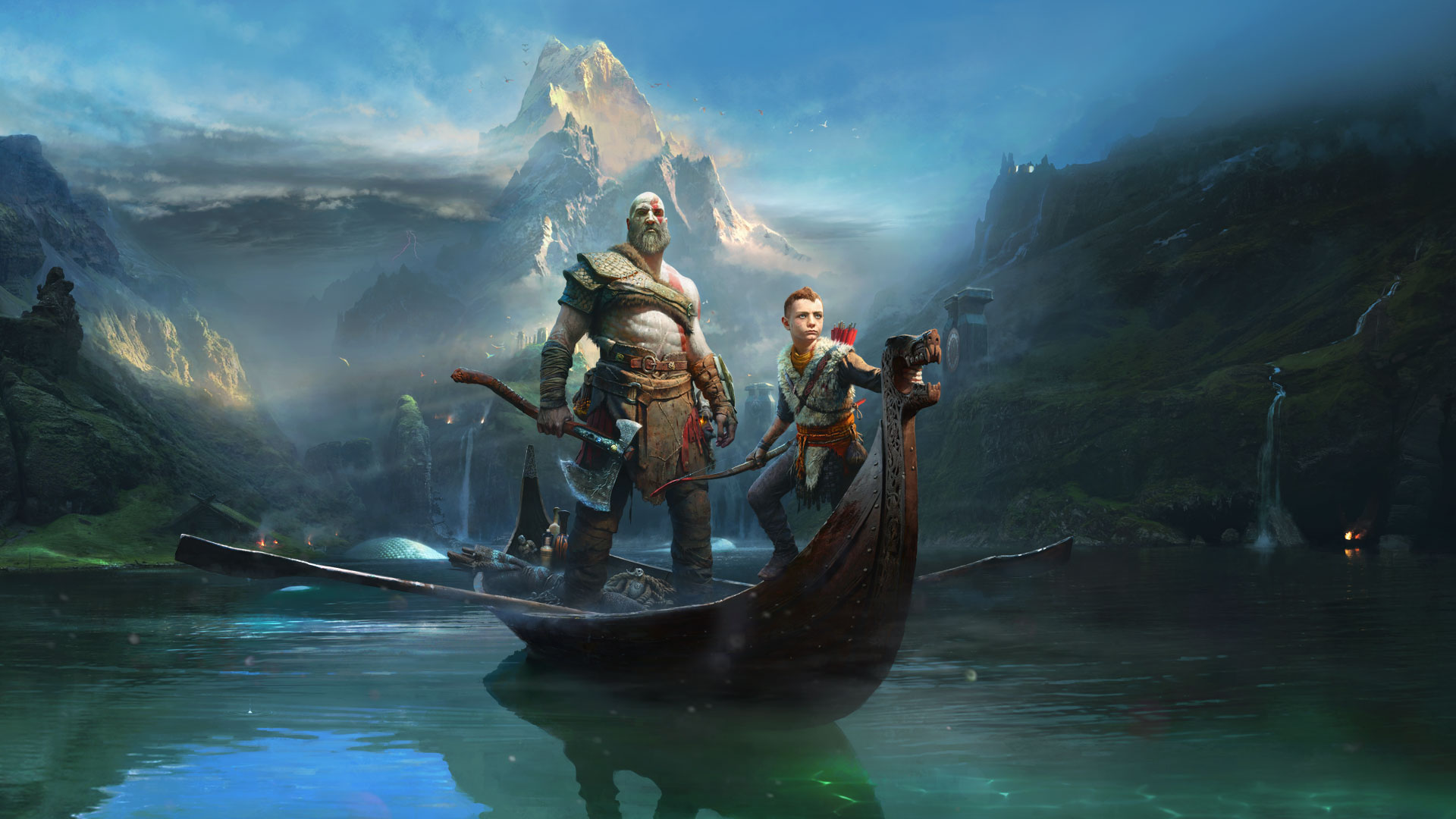
Set years after the fall of Olympus, Kratos settled in the realm of Midgard, hiding his past and raising his son, Atreus. The game fundamentally changed every pillar of the series:
- Over-the-Shoulder Camera: Replaced the fixed cinematic camera with a continuous, single-shot over-the-shoulder perspective without loading screens or cuts.
- Strategic Combat: Replaced hyper-fast button-mashing with deliberate melee combat featuring the Leviathan Axe and shield parries.
- RPG Elements: Introduced gear stats, armor crafting, skill trees, and customizable runic attacks.
- Character Depth: Shifted Kratos from a relentless avatar of wrath into a stoic father battling his inner nature.
Refining the Formula in Norse Mythology
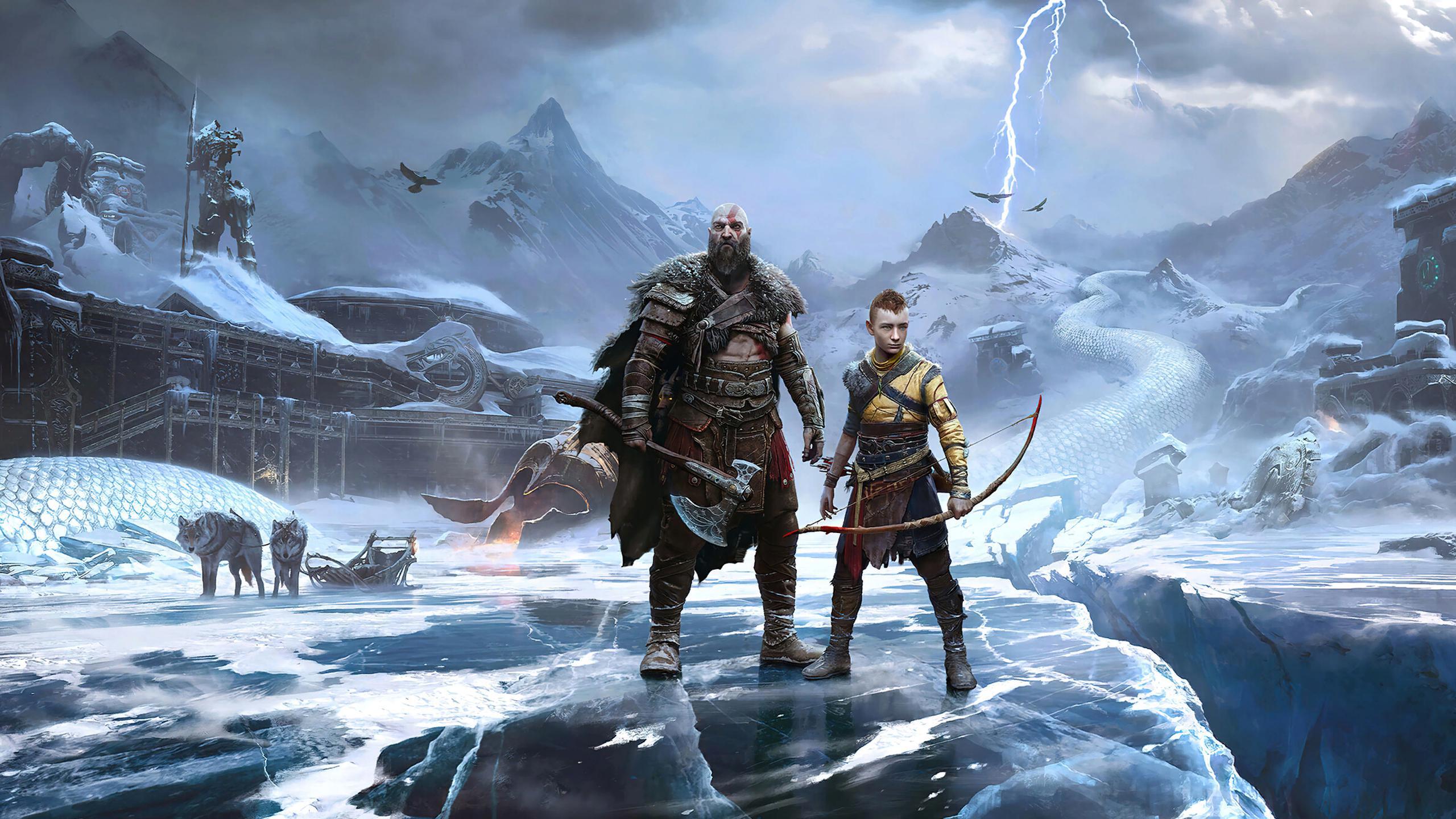
The Norse saga reached its conclusion in God of War Ragnarök (2022). The sequel expanded upon the 2018 mechanics by introducing dynamic verticality in combat, new weapon options like the Draupnir Spear, playable companion sections, and an expanded cast of mythical figures.
Key Pillars of Evolution Across the Series
- Camera & Presentation: Evolved from fixed dynamic camera angles to an intimate, immersive no-cut camera.
- Combat Mechanics: Shifted from high-speed horde clearing to tactical, targeted combat interactions.
- Narrative Focus: Transformed from epic mythic tragedy and revenge into a personal story of fatherhood, fate, and redemption.
Frequently Asked Questions
Do I need to play the Greek era games to enjoy the Norse saga?
No. While playing God of War III provides valuable context on Kratos' past sins, God of War (2018) was designed as a fresh narrative starting point for modern gamers.
What was the biggest mechanical change in the reboot?
The introduction of the Leviathan Axe, over-the-shoulder camera, and deep action-RPG customization marked the most significant mechanical shift in franchise history.
Final Thoughts
The evolution of God of War remains one of the greatest achievements in game design. By allowing its protagonist and mechanics to mature alongside its audience, Santa Monica Studio transformed a beloved classic into an enduring cultural icon.
