


Introduction to Polyphony Digital
Few development studios have shaped an entire genre as profoundly as Polyphony Digital. Founded under Sony Computer Entertainment, the Japanese studio became synonymous with automotive perfection, cutting-edge graphics, and realistic driving physics. Led by visionary developer Kazunori Yamauchi, Polyphony Digital transformed racing video games from arcade distractions into meticulous simulations celebrated by gaming and automotive enthusiasts worldwide.
The Origins: Polys Entertainment and Early Experiments
Before Polyphony Digital became a standalone studio, the core team operated internally at Sony Computer Entertainment under the name Polys Entertainment. Led by Kazunori Yamauchi, the team's initial goal was to showcase the 3D capabilities of the original PlayStation console.

Motor Toon Grand Prix (1994)
In 1994, Polys Entertainment released Motor Toon Grand Prix for the PlayStation in Japan. While cartoonish in appearance, the game laid the groundwork for advanced vehicle physics handling. The success of this title and its 1996 sequel gave Yamauchi the leverage needed to pursue his true passion: an ambitious, realistic driving simulator.
The Birth of a Phenomenon: The PlayStation Era
With greenlight approval from Sony, Yamauchi assembled a small team to build a game that would redefine automotive software.

Gran Turismo (1997)
Released in Japan in late 1997 and globally in 1998, Gran Turismo was a massive critical and commercial hit. Featuring nearly 140 licensed cars, detailed tuning systems, and revolutionary physics, it became the best-selling PlayStation game of all time. Following this monumental success, Polys Entertainment officially re-established itself as Polyphony Digital in April 1998.

Omega Boost and Gran Turismo 2 (1999)
In 1999, Polyphony Digital demonstrated its technical versatility by releasing Omega Boost, a high-speed 3D mech shoot 'em up. Later that year, they released Gran Turismo 2, expanding the roster to over 600 vehicles and introducing rally racing.
Dominance on the PlayStation 2
The arrival of the PlayStation 2 allowed Polyphony Digital to push visual fidelity and physics engine capabilities to unprecedented heights.

Gran Turismo 3: A-Spec (2001)
As a flagship title for the PS2, Gran Turismo 3: A-Spec delivered staggering graphical leaps, photorealistic reflections, and refined simulation mechanics, selling over 14 million copies globally.

Gran Turismo 4 (2004) and Tourist Trophy (2006)
Gran Turismo 4 pushed the PS2 to its absolute limits, introducing Photo Mode, B-Spec management, and over 700 vehicles. In 2006, Polyphony applied its simulation expertise to motorcycles with Tourist Trophy.
The High-Definition Era: PlayStation 3
Developing for the PlayStation 3's complex Cell Architecture presented new technical challenges, leading to longer development cycles but pushing visual presentation further.

Gran Turismo 5 (2010)
After releasing interim titles like Gran Turismo 5 Prologue and Gran Turismo PSP, the full release of Gran Turismo 5 arrived in 2010. It introduced online multiplayer, dynamic weather, vehicle damage, and over 1,000 detailed cars. The studio also launched the GT Academy initiative with Nissan, turning top gamers into real-world professional racing drivers.

Gran Turismo 6 (2013)
Released near the end of the PS3 lifespan, Gran Turismo 6 refined physics through partnerships with tire and suspension manufacturers and introduced the Vision Gran Turismo project, collaborating with real automakers to design concept cars specifically for the game.
Esports and Modern Era: PlayStation 4 & PlayStation 5

Gran Turismo Sport (2017)
With Gran Turismo Sport on PS4, Polyphony Digital pivoted toward competitive online esports. Partnering with the FIA (Fédération Internationale de l'Automobile), the game established sanctioned online championships and paved the way for modern sim racing competition.
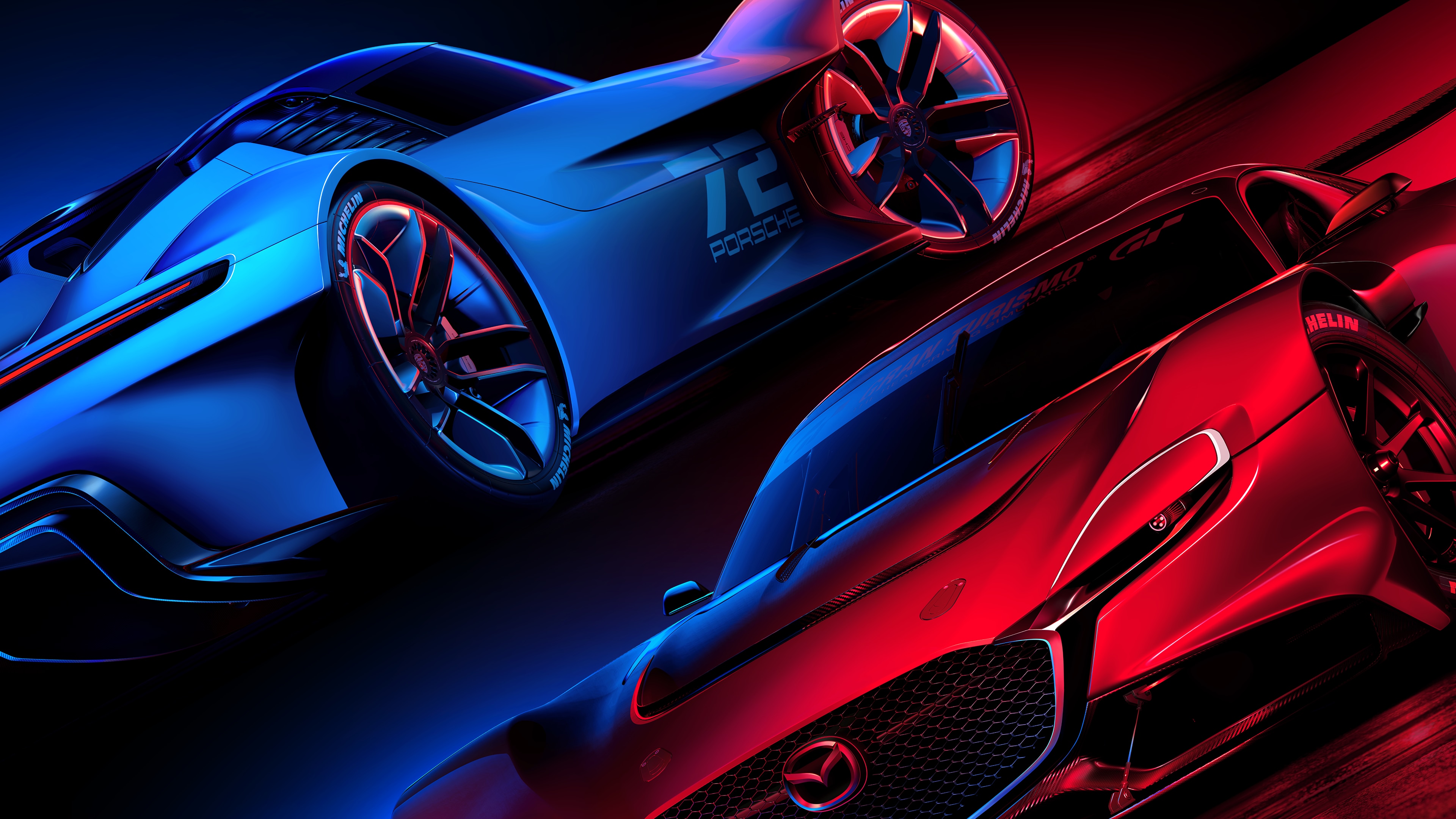
Gran Turismo 7 (2022)
Celebrating the 25th anniversary of the franchise, Gran Turismo 7 launched on PS4 and PS5. Combining the single-player campaign focus of classic entries with the robust esports infrastructure of Gran Turismo Sport, it stands as a complete celebration of car culture, featuring advanced haptic feedback, real-time ray tracing, and full PlayStation VR2 support.
Frequently Asked Questions
Who founded Polyphony Digital?
Polyphony Digital was founded by Kazunori Yamauchi, who originally started the team as Polys Entertainment inside Sony Computer Entertainment before forming Polyphony Digital as an official sub-studio in 1998.
Has Polyphony Digital made games other than Gran Turismo?
Yes. Polyphony Digital created Motor Toon Grand Prix, the mech combat game Omega Boost, and the motorcycle simulation game Tourist Trophy.
Summary of Key Releases
- 1994: Motor Toon Grand Prix
- 1997: Gran Turismo
- 1999: Omega Boost & Gran Turismo 2
- 2001: Gran Turismo 3: A-Spec
- 2004: Gran Turismo 4
- 2006: Tourist Trophy
- 2010: Gran Turismo 5
- 2013: Gran Turismo 6
- 2017: Gran Turismo Sport
- 2022: Gran Turismo 7
