


Introduction: The Evolution of Gaming's Premier Storytellers
Few video game development studios have reshaped the interactive entertainment landscape as profoundly as Naughty Dog. Founded in a high school garage in 1984, the company grew from an ambitious indie developer into the crown jewel of Sony PlayStation's first-party lineup. Famous for unmatched technical wizardry, fluid platforming, and deeply emotional character-driven narratives, Naughty Dog has continuously pushed hardware to its absolute limit through every generation of PlayStation hardware.
From the colorful, spinning mascot platforming of Crash Bandicoot to the gritty, cinematic realism of The Last of Us, this is the complete history of Naughty Dog's remarkable journey over four decades.
1. The Garage Era: JAM Software (1984–1989)
The story begins with two 12-year-old high school friends, Andy Gavin and Jason Rubin. Sharing a passion for computing and video games, the duo teamed up to write software under the moniker JAM Software (which stood for "Jason and Andy's Magic"). Operating out of their parents' homes, they created Apple II games using rudimentary programming tools.
Their early portfolio included simple titles like Math Grand Prix (1985) and an apple-slithering title called Ski Crazed (1986). After self-publishing and selling floppy disks to local peers, they landed their first commercial publishing deal with Electronic Arts for an Apple IIGS role-playing game called Keef the Thief in 1989. Realizing they needed a distinctive, professional brand identity, Gavin and Rubin officially abandoned the name JAM Software in 1989 and re-emerged as Naughty Dog.
2. Pre-PlayStation Breakthroughs (1989–1994)
With their new identity, Naughty Dog continued to build ambitious projects. In 1991, they developed Rings of Power for the Sega Genesis, an ambitious open-world RPG published by EA. However, tension with EA's publishing strategies led the duo to strike out on their own for their next project.
In 1994, noticing the rise of 32-bit hardware, Gavin and Rubin funded their own fighting game aimed at the nascent 3DO Interactive Multiplayer console. Titled Way of the Warrior, the game was produced on a tiny budget inside an apartment. The developers digitized footage of themselves and friends wearing costume props in front of a homemade yellow cloth backdrop.
Despite its humble origins, Way of the Warrior caught the eye of Mark Cerny, then-president of Universal Interactive Studios. Cerny saw immense raw talent in Gavin and Rubin, offering them a three-game publishing contract and office space on the Universal lot.
3. The PlayStation Revolution and Crash Bandicoot (1996–1999)
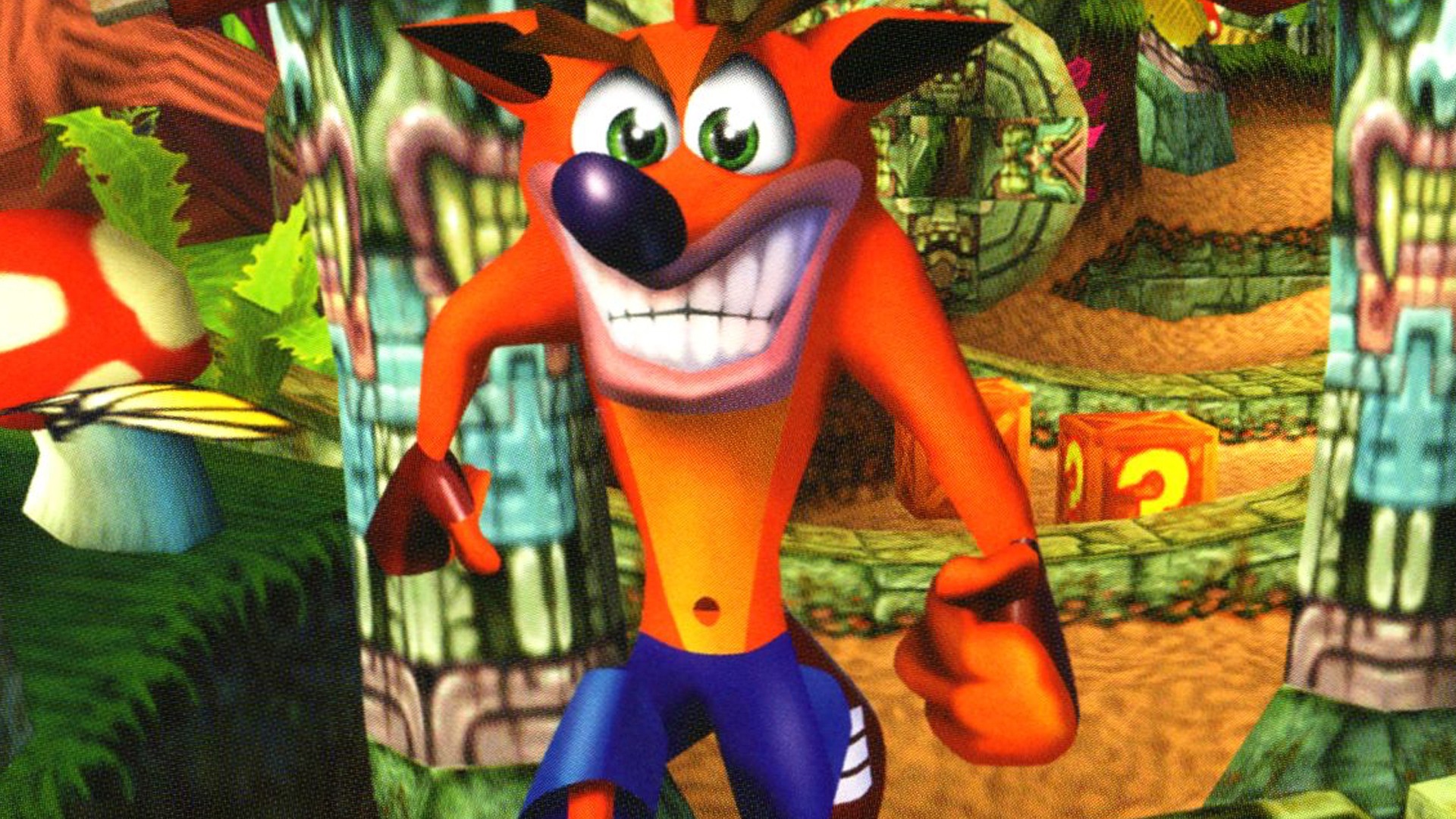
With the release of the original Sony PlayStation in 1994, video games were transitioning from 2D sprites to full 3D polygon graphics. Gavin and Rubin recognized that while 2D platforming stars like Mario and Sonic dominated the industry, nobody had successfully translated dynamic character platforming into 3D from a third-person rear camera perspective.
Development began on a project codenamed "Sonic's Ass" because the camera spent most of its time following behind the character. Partnering with Sony Computer Entertainment to distribute the game, Naughty Dog created the iconic mascot character Crash Bandicoot, released in 1996. The game achieved massive commercial success, offering graphical fidelity that eclipsed competitors thanks to custom programming hacks engineered by Andy Gavin.
Naughty Dog followed up with three spectacular sequels on the original PlayStation:
- Crash Bandicoot 2: Cortex Strikes Back (1997)
- Crash Bandicoot: Warped (1998)
- Crash Team Racing (1999)
By the end of the 1990s, Crash Bandicoot was recognized worldwide as the unofficial mascot of the PlayStation platform.
4. Sony Acquisition and Jak and Daxter (2001–2005)
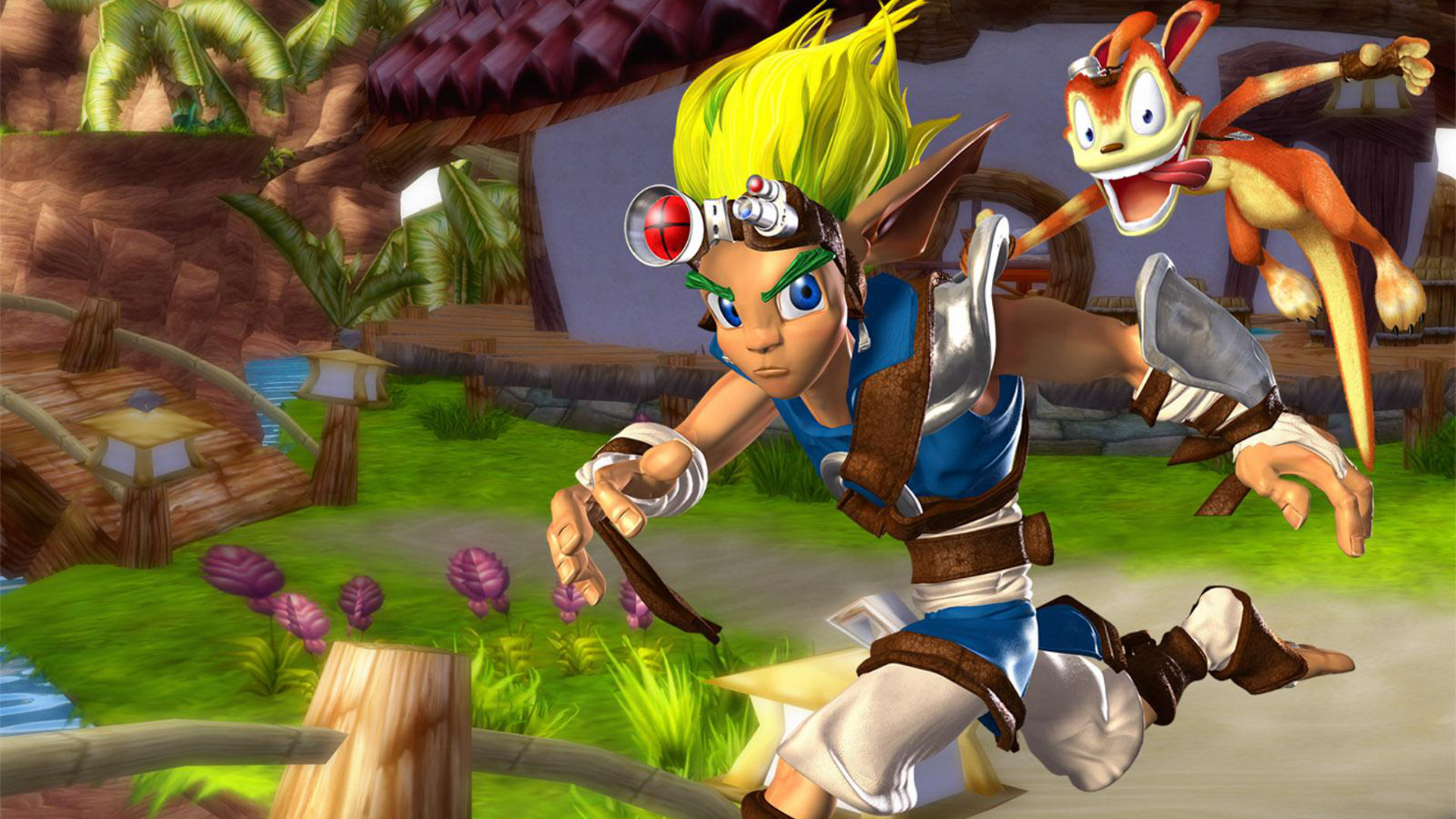
Because Universal owned the rights to the intellectual property, Naughty Dog was forced to leave Crash Bandicoot behind when their publishing contract expired. Recognizing Naughty Dog's irreplaceable value to their hardware platform, Sony Computer Entertainment acquired Naughty Dog in 2001, turning them into an exclusive first-party studio.
For the PlayStation 2 generation, Naughty Dog created a brand-new universe with Jak and Daxter: The Precursor Legacy (2001). The game showcased revolutionary tech, offering a seamless open world completely devoid of loading screens—a monumental technical feat for the era.
As the PS2 generation progressed, Naughty Dog shifted toward darker, more narrative-heavy storytelling influenced by modern action movies and open-world games:
- Jak II (2003) – Introduced gunplay, urban vehicles, and a grittier tone.
- Jak 3 (2004) – Expanded wasteland exploration and vehicle combat.
- Jak X: Combat Racing (2005) – A high-octane vehicular combat spinoff.
Following the release of Jak 3, co-founders Jason Rubin and Andy Gavin left Naughty Dog to pursue new ventures, handing the reigns of studio leadership over to Evan Wells and Christophe Balestra.

5. Setting the Cinematic Gold Standard with Uncharted (2007–2011)
The transition to the PlayStation 3 was notoriously difficult for developers due to the console's complex Cell Broadband Engine architecture. Naughty Dog abandoned cartoon aesthetics altogether to focus on photorealistic visuals, motion-capture animation, and blockbuster cinematic storytelling.
In 2007, the studio debuted Uncharted: Drake's Fortune, starring charismatic treasure hunter Nathan Drake. Designed under the creative direction of Amy Hennig, the game seamlessly blended third-person shooting, platforming exploration, and Hollywood-style set pieces.
While the first entry was well-received, it was Uncharted 2: Among Thieves (2009) that catapulted Naughty Dog into industry legends. Featuring flawless pacing, groundbreaking dynamic linear set pieces (such as fighting through a moving train traversing snowy mountains), and organic character chemistry, Uncharted 2: Among Thieves won over 300 Game of the Year awards.
The studio rounded out the trilogy on PS3 with Uncharted 3: Drake's Deception (2011), solidifying Nathan Drake as one of the most recognizable figures in modern video gaming history.
6. A Darker Shift: The Last of Us (2013)
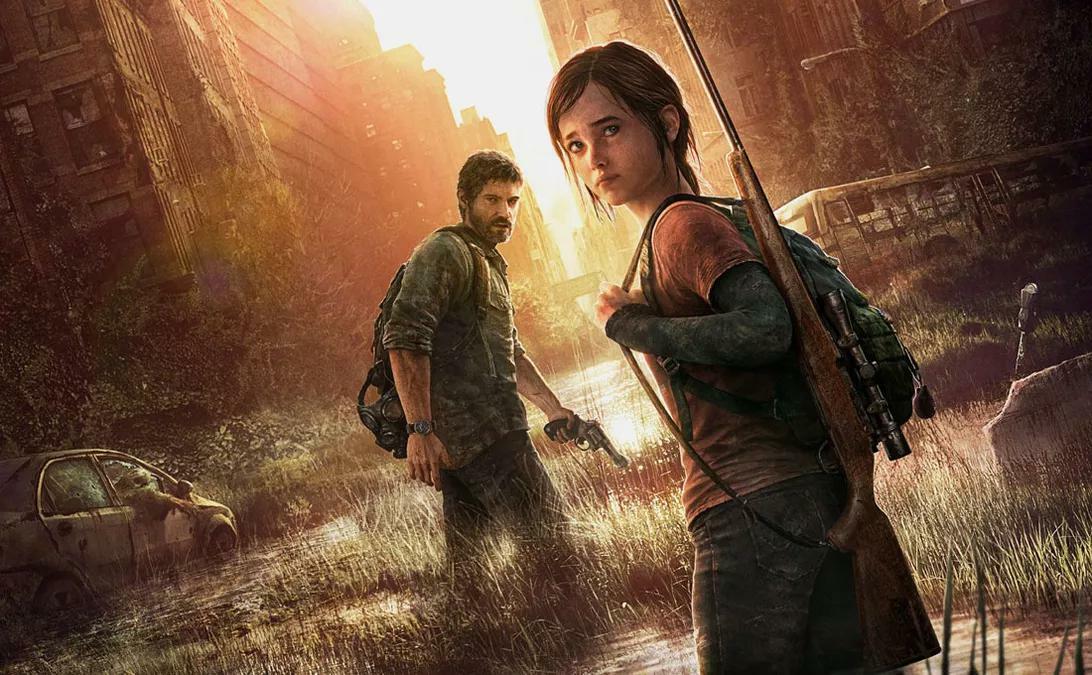
During the production of Uncharted 3: Drake's Deception, Naughty Dog split into two internal teams for the first time in its history. The second team, led by Game Director Bruce Straley and Creative Director Neil Druckmann, spent four years developing a grounded, post-apocalyptic survival drama.
Released in June 2013 near the end of the PlayStation 3's lifespan, The Last of Us delivered a masterclass in interactive storytelling. Tracking the harrowing journey of Joel and Ellie across a devastated United States ravaged by a fungal infection, the game abandoned traditional video game clichés in favor of moral ambiguity, intense combat, and profound character vulnerability.
The Last of Us was widely acclaimed as one of the greatest video games ever made, proving that interactive media could rival cinema in narrative depth and artistic intent.
7. The PlayStation 4 & 5 Eras: Peak Realism and Prestige TV (2016–Present)
Entering the 8th and 9th generations of console hardware, Naughty Dog operated at unprecedented levels of artistic detail and technical perfection.
In 2016, Naughty Dog concluded Nathan Drake's arc with Uncharted 4: A Thief's End, followed by the standalone expansion Uncharted: The Lost Legacy (2017) starring Chloe Frazer and Nadine Ross.
In 2020, Naughty Dog launched The Last of Us Part II on PlayStation 4. A deeply emotional, uncompromising exploration of trauma, revenge, and empathy, the game set new records for motion capture, animation systems, and technical design. Despite polarizing online discourse surrounding its narrative choices, The Last of Us Part II became the most awarded game in history at the time, winning over 320 Game of the Year honors.
Recently, Naughty Dog has expanded into cross-media projects, rebuilding their original post-apocalyptic classic ground-up as The Last of Us Part I for PS5 and PC, while co-producing HBO's critically acclaimed television adaptation starring Pedro Pascal and Bella Ramsey.
Timeline of Key Naughty Dog Releases
- 1989: Keef the Thief (Apple IIGS)
- 1991: Rings of Power (Sega Genesis)
- 1994: Way of the Warrior (3DO)
- 1996: Crash Bandicoot (PlayStation)
- 1997: Crash Bandicoot 2: Cortex Strikes Back (PlayStation)
- 1998: Crash Bandicoot: Warped (PlayStation)
- 1999: Crash Team Racing (PlayStation)
- 2001: Jak and Daxter: The Precursor Legacy (PlayStation 2)
- 2003: Jak II (PlayStation 2)
- 2004: Jak 3 (PlayStation 2)
- 2005: Jak X: Combat Racing (PlayStation 2)
- 2007: Uncharted: Drake's Fortune (PlayStation 3)
- 2009: Uncharted 2: Among Thieves (PlayStation 3)
- 2011: Uncharted 3: Drake's Deception (PlayStation 3)
- 2013: The Last of Us (PlayStation 3)
- 2016: Uncharted 4: A Thief's End (PlayStation 4)
- 2017: Uncharted: The Lost Legacy (PlayStation 4)
- 2020: The Last of Us Part II (PlayStation 4)
- 2022: The Last of Us Part I (PlayStation 5, PC)
Frequently Asked Questions
Who founded Naughty Dog?
Naughty Dog was founded in 1984 by high school friends Andy Gavin and Jason Rubin under the initial name JAM Software (Jason and Andy's Magic).
Why did Naughty Dog stop making Crash Bandicoot?
universal Interactive Studios owned the rights to the Crash Bandicoot intellectual property. When Naughty Dog's contract with Universal ended after Crash Team Racing, Naughty Dog was officially acquired by Sony Computer Entertainment, forcing them to leave the franchise behind to invent new IPs like Jak and Daxter: The Precursor Legacy.
What is Naughty Dog's best-selling video game?
The Last of Us franchise (including original releases, remasters, and remakes) and Uncharted 4: A Thief's End are Naughty Dog's best-selling products, with Uncharted 4: A Thief's End selling over 16 million units individually.
Final Thoughts
Naughty Dog's evolution over forty years reflects the growth of the video game medium itself. Moving from crude garage software to vibrant 3D platformers like Crash Bandicoot and Jak and Daxter: The Precursor Legacy, and eventually pioneering modern cinematic experiences in Uncharted 2: Among Thieves and The Last of Us, the developer has repeatedly redefined interactive storytelling. As the studio steps into the future with brand-new single-player experiences, gaming fans around the globe eagerly wait to see where Naughty Dog takes them next.
