Samurai Warriors (2004) Review: Koei's Classic Sengoku Musou
Released in 2004, Samurai Warriors (known as Sengoku Musou in Japan) marked a pivotal moment for Koei and developer Omega Force. Following the massive success of the Dynasty Warriors series set in ancient China, this title shifted the action-packed hack-and-slash formula to Japan's turbulent Sengoku (Warring States) period.
Developer and Historical Context
Developed by Omega Force and published by Koei, Samurai Warriors was created to capture the dramatic battles and legendary historical figures of 16th-century Japan. By swapping out the Chinese Three Kingdoms setting for Japanese samurai lore, Omega Force created a darker, more tactical experience that resonated deeply with fans of action and historical games.
Story and Narrative
The story centers around the chaotic Sengoku era, detailing the struggle for control over feudal Japan. Famous figures such as Sanada Yukimura, Oda Nobunaga, Hattori Hanzo, and Akechi Mitsuhide take center stage.
Unlike earlier Musou games, Samurai Warriors featured branching story paths in its primary story modes. Players' choices and performance during battle objectives directly impacted which mission came next, leading to multiple alternative endings for each character. This narrative depth gave the game incredible replay value and a personal touch for each dynamic campaign.
Graphics and Visual Performance
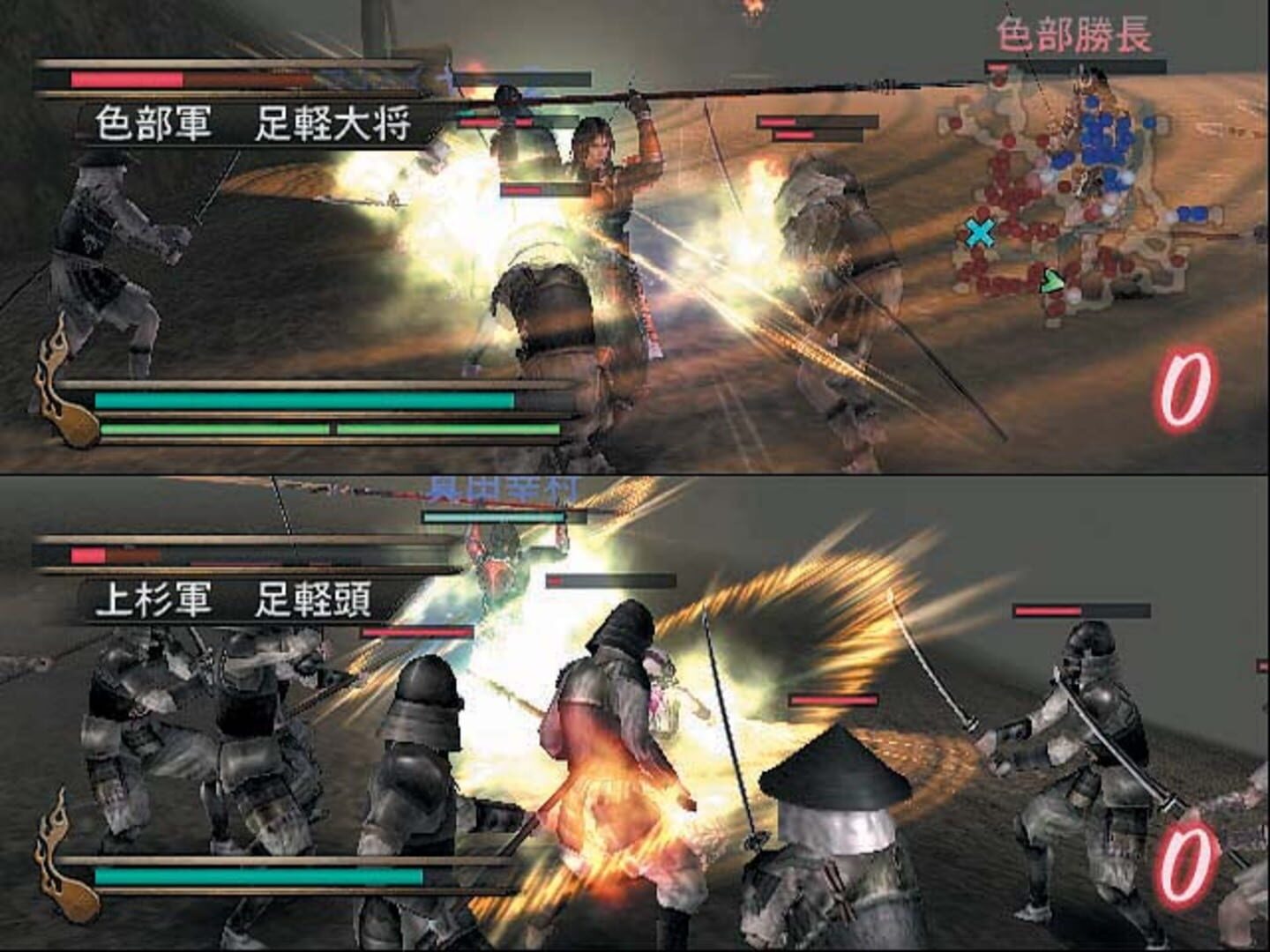
For a 2004 release, Samurai Warriors pushed the sixth-generation console hardware to its limits. Rendering dozens of enemy soldiers on screen simultaneously was an impressive technical feat at the time. While the environmental textures can feel muted and the draw distance occasionally relies on fog, the character designs, animation quality, and atmospheric special attack effects were stylish and visually distinct.
Playable Platforms
Originally launched on major sixth-generation home consoles, the game is playable on:
- PlayStation 2 (Original release platform)
- Xbox (Enhanced port featuring subtle graphic improvements and smoother performance)
Final Verdict and Recommendation
Samurai Warriors (2004) remains a standout title in the Musou genre. Its unique combination of tactical castle exploration, RPG-style skill growth, branching storylines, and memorable traditional-meets-electronic soundtrack makes it a nostalgic classic worth revisiting for retrogaming enthusiasts.
Recommendation: Highly recommended for fans of retro hack-and-slash games, Japanese history buffs, and anyone looking to experience the origin of one of Koei's most successful franchises.