Introduction & Context
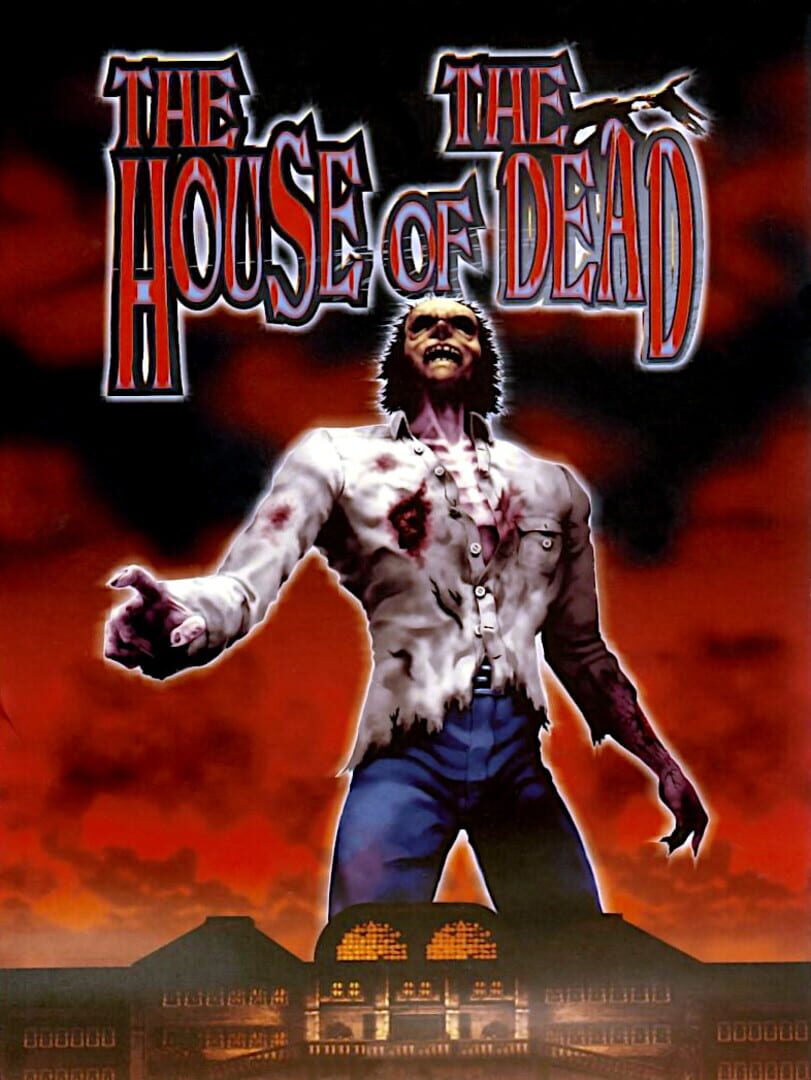
In the late 1990s, arcades were dominated by fast-paced action games, and Sega was leading the charge in the light-gun shooter revival. Following the massive success of titles like Virtua Cop, Sega AM1 released The House of the Dead in arcades in late 1996, with home ports arriving on the Sega Saturn and PC (Windows) in 1998. The game injected visceral horror, fast shooting mechanics, and branching paths into the rail-shooter genre, laying the groundwork for a long-running franchise that remains iconic in retro gaming history.
Developer & Origins
The game was developed by Sega AM1, one of Sega's premier arcade development teams, under the direction of Takashi Oda. Designed around the Sega Model 2 arcade hardware, the developers wanted to create an adrenaline-fueled horror experience distinct from slow-paced survival horror titles of the era like Resident Evil. Sega AM1 succeeded by emphasizing continuous action, detailed limb destruction, and arcade replayability.
Story and Narrative
The narrative of The House of the Dead plays out like a classic B-movie horror film. Set in December 1998, the story follows two special agents from the AMS organization, Thomas Rogan and Agent G. They receive a desperate distress call from Rogan's fiancée, Sophie Richards, who works at the Curien Mansion.
Upon arriving at the estate, the agents discover that the brilliant but mad scientist, Dr. Roy Curien, has unleashed an army of undead creatures and biological monstrosities. Rogan and G must fight their way through hordes of zombies, save trapped scientists, and stop Dr. Curien before his terrifying creations spread beyond the mansion grounds. Depending on player accuracy, rescued civilians, and score, the game features multiple branching paths and three distinct endings.
Graphics and Audio Presentation
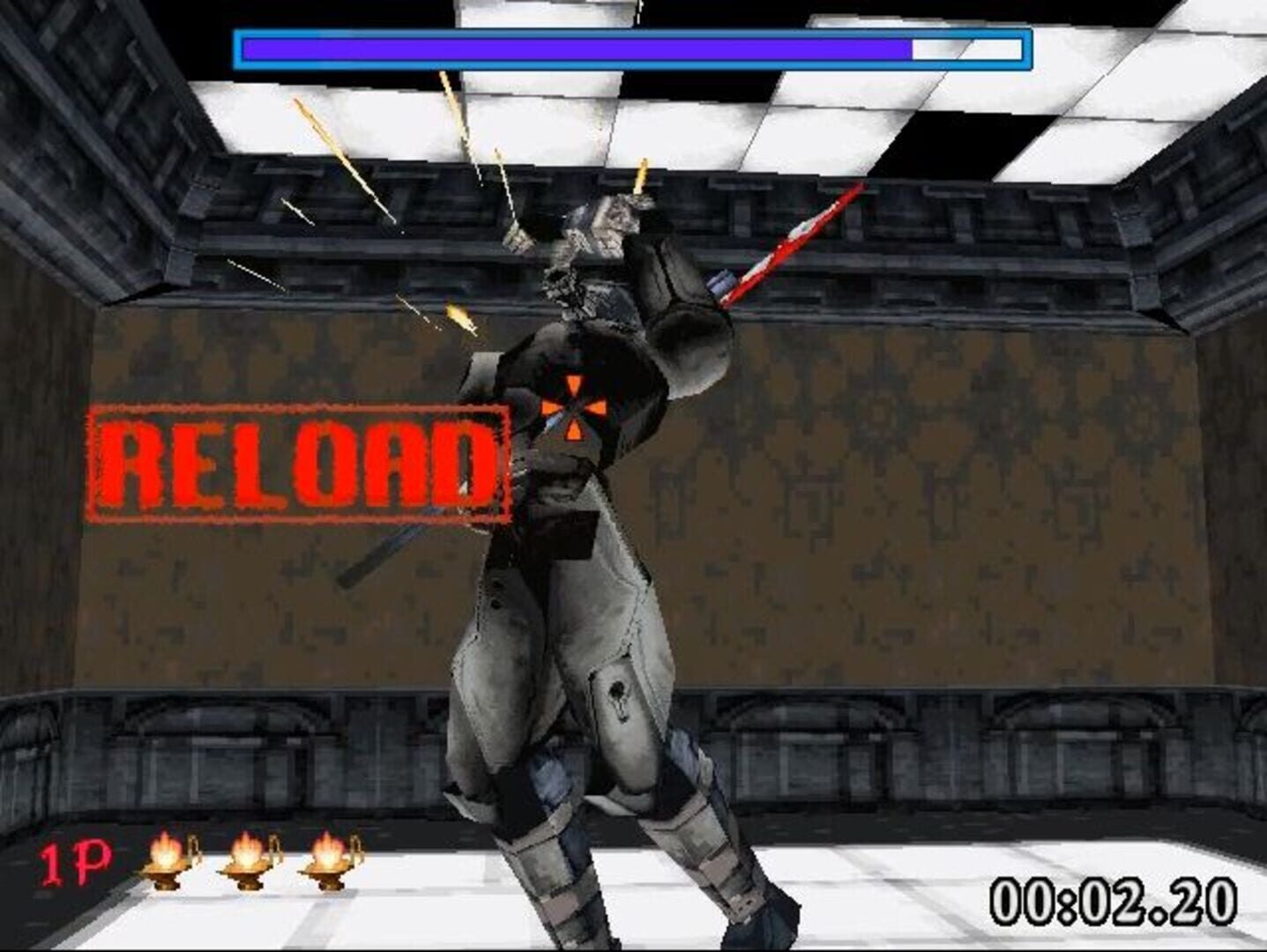
For 1998 standards, the game delivered impressive low-polygon 3D graphics that created a dark, oppressive environment. The Model 2 arcade board allowed dynamic camera movements, real-time lighting, and unprecedented body damage mechanics, letting players shoot off specific limbs or heads from approaching monsters.
While the graphics on the 1998 Sega Saturn port suffered from noticeable visual downgrades and framerate hits compared to the arcade cabinet, the PC version offered sharper textures and smoother performance. The sound design is legendary—featuring energetic synth-rock music, wet sound effects, and hilariously cheesy voice acting that has earned a cult following among fans.
Playable Platforms
Over the years, gamers have been able to experience this arcade classic across multiple systems:
- Arcade (1996/1997): The original cabinet with dual light-guns and recoil force feedback.
- Sega Saturn (1998): The first console port, supporting the Virtua Gun / Stunner light gun.
- PC / Windows (1998): A direct home computer port featuring mouse support and enhanced crispness.
- Modern Remakes: In 2022, The House of the Dead: Remake brought the 1998 game to modern hardware including Nintendo Switch, PlayStation 4/5, Xbox One, Xbox Series X/S, and Steam.
Game Summary Overview
| Feature | Details |
|---|---|
| Release Year | 1996 (Arcade), 1998 (Saturn / PC) |
| Developer | Sega AM1 |
| Publisher | Sega |
| Genre | Light-gun / Rail Shooter |
| Protagonists | Thomas Rogan & Agent G |
| Main Antagonist | Dr. Roy Curien |
Final Recommendation & Verdict
The House of the Dead (1998) remains a cornerstone of the arcade rail-shooter genre. While its controls and visuals are products of their time, the core gameplay loop remains intensely satisfying. The combination of branching secret paths, high-stakes shooting, memorable boss fights, and hilarious voice work makes it an absolute joy to play, especially in two-player co-op mode.
Verdict: Highly recommended for retro gaming enthusiasts, light-gun fans, and gamers looking for nostalgic arcade action. If playing today, seeking out the original arcade cabinet or trying the modern 2022 remake are the best ways to experience this survival horror classic.