


Introduction: The Birth of Survival Horror
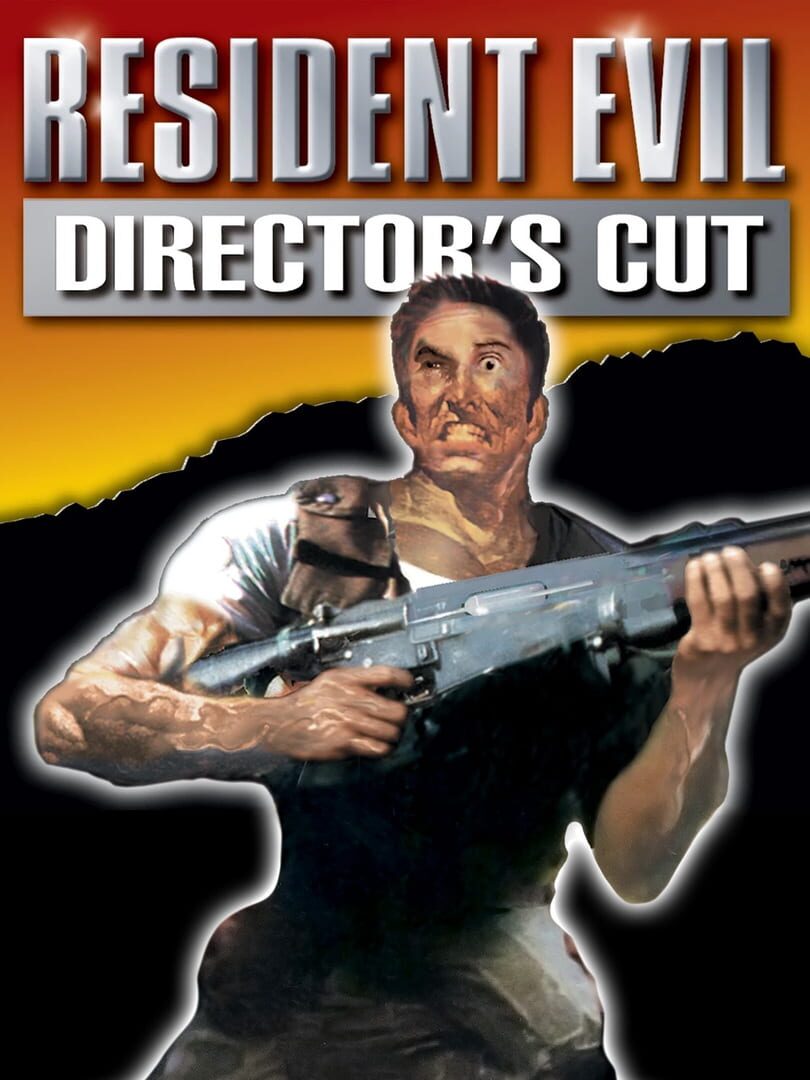
In 1996, Capcom redefined horror video games with the release of Resident Evil. Just a year later, in 1997, Capcom released Resident Evil: Director's Cut to satisfy fans eager for more while waiting for the sequel. This updated version didn't just re-release the iconic title; it reworked item locations, added new difficulty modes, and enhanced the overall tension, cementing the game's status as an absolute landmark in survival horror history.
Developer & Release Context
Developed and published by Capcom under the direction of Shinji Mikami, Resident Evil: Director's Cut was created to compensate for the delayed development of Resident Evil 2. Mikami and his team took the original formula—limited ammunition, intricate puzzles, fixed camera angles, and tank controls—and refined it to deliver a fresh challenge for veteran players.
Story and Narrative: The Mystery of Spencer Mansion
The game is set in July 1998 on the outskirts of Raccoon City, where a series of bizarre cannibalistic murders have taken place in the Arklay Mountains. The Special Tactics And Rescue Service (S.T.A.R.S.) Bravo Team is dispatched to investigate, but after losing contact with them, Alpha Team is sent on a rescue mission.
Players choose to play as either Chris Redfield or Jill Valentine. After being attacked by terrifying mutated dogs (Cerberuses), the surviving members take refuge in a sprawling, isolated estate known as the Spencer Mansion. As players explore the mansion, they uncover dark secrets involving bio-engineered weapons, sinister experiments, and the corrupt Umbrella Corporation.
- Jill Valentine: Offers an easier playthrough featuring an eight-item inventory slot, the lockpick, and assistance from Barry Burton.
- Chris Redfield: Offers a harder challenge with six inventory slots, higher health endurance, a lighter, and assistance from Rebecca Chambers.
Graphics, Sound, and Visual Atmosphere
For a 1997 release, Resident Evil: Director's Cut showcased impressive technical achievements on 32-bit hardware. By combining pre-rendered 2D background environments with 3D polygon character models, Capcom created cinematic, highly detailed rooms with unsettling camera angles that heightened suspense.
Audio plays a crucial role in building dread. From the subtle groans of zombies echoing in tight corridors to the ominous ticking of grandfather clocks, the sound design keeps players constantly on edge. (Note: The later DualShock version featured a controversial alternative soundtrack, but the original Director's Cut music remains iconic and eerie.)
Key Features of the Director's Cut
- Arranged (Advanced) Mode: Randomizes item and enemy placements, changes camera angles, and alters character outfits for a brand-new experience.
- Beginner Mode: Doubles the amount of ammo and health items found throughout the mansion for casual players.
- Standard Mode: The original 1996 game experience preserved.
- Uncut FMV Scenes: Features original Japanese cinematic clips (though still somewhat censored in North American releases).
Playable Platforms
Over the years, Resident Evil: Director's Cut has been made accessible across multiple generations of PlayStation hardware.
| Platform | Format | Status |
|---|---|---|
| PlayStation (PS1) | Physical Disc | Original Release (1997) |
| PlayStation 3 / PSP / PS Vita | Digital (PSN Classic) | Legacy Digital Store |
| PlayStation 4 / PlayStation 5 | Digital (PS Plus Classics) | Available via PS Plus Premium |
Final Recommendation & Verdict
"Resident Evil: Director's Cut is a timeless masterpiece of game design that built the foundation for modern survival horror."
Verdict: 9/10
Whether you are a retro gaming enthusiast or a franchise fan looking to explore the roots of survival horror, Resident Evil: Director's Cut (1997) remains essential playing. While tank controls and fixed camera angles may take some getting used to for modern players, the game's atmosphere, brilliant level design, and masterclass pacing make it an unforgettable journey into terror.

