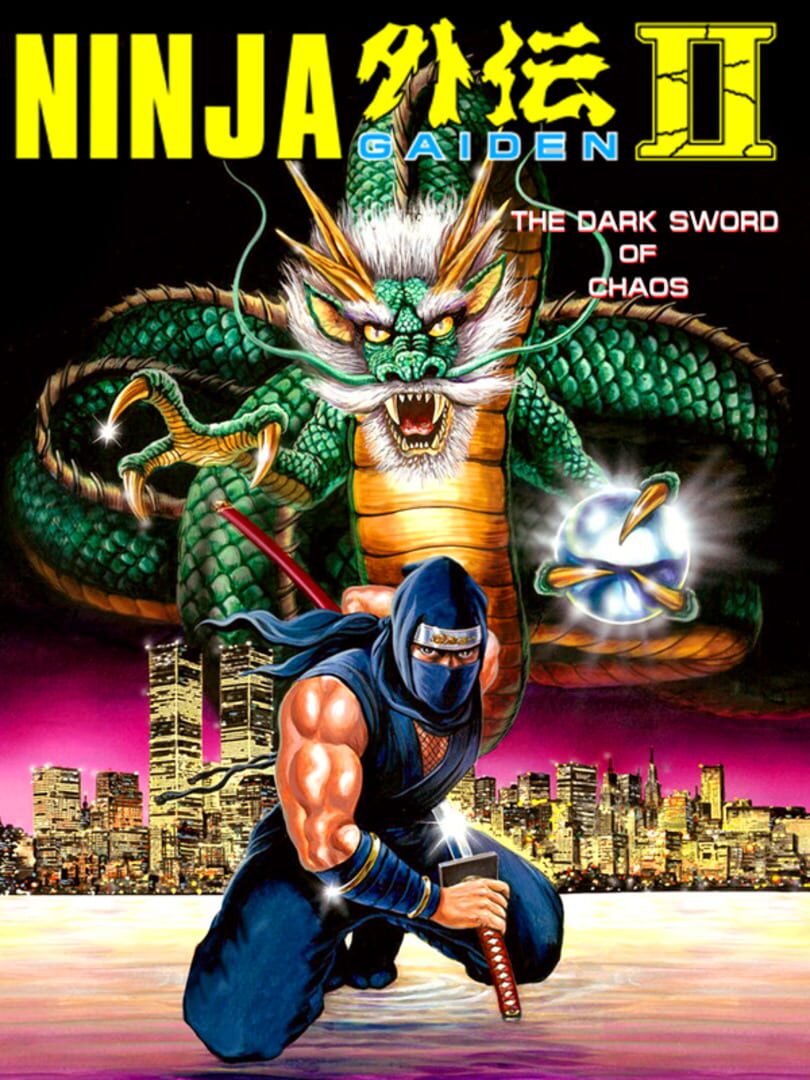
Ninja Gaiden II: The Dark Sword of Chaos Review: A Retro Masterpiece
Released in 1990 for the Nintendo Entertainment System (NES), Ninja Gaiden II: The Dark Sword of Chaos stands as one of the ultimate achievements of the 8-bit era. Developed and published by Tecmo, this legendary sequel refined every mechanic of the original title while pushing NES hardware to its technical boundaries.
Developer and Historical Context
Developed by Tecmo under the direction of key team members like Masato Kato, Ninja Gaiden II arrived during the golden age of side-scrolling platformers. Following the runaway commercial success of the 1988 original, Tecmo sought to refine the experience. They addressed fan feedback regarding brutal difficulty spikes while elevating the series' famous cinematic presentation, solidifying Ryu Hayabusa as an enduring icon in gaming history.
Story and Narrative
Taking place one year after the events of the original game, the story follows dragon ninja Ryu Hayabusa as he faces a powerful new threat: the evil emperor Ashtar. Operating from the World of Darkness, Ashtar seeks to open the Dark Gate using the sinister Dark Sword of Chaos, threatening to drown humanity in demonic darkness. Along the way, Ryu must rescue CIA operative Irene Lew and confront tragic figures from his past.
Tecmo utilized its signature Tecmo Theater system to deliver dynamic, anime-style cinematic cutscenes. Featuring dramatic camera angles, close-up character shots, and a gripping soundtrack, the game delivered an immersive narrative rarely seen on 8-bit consoles.
Graphics, Visuals, and Audio
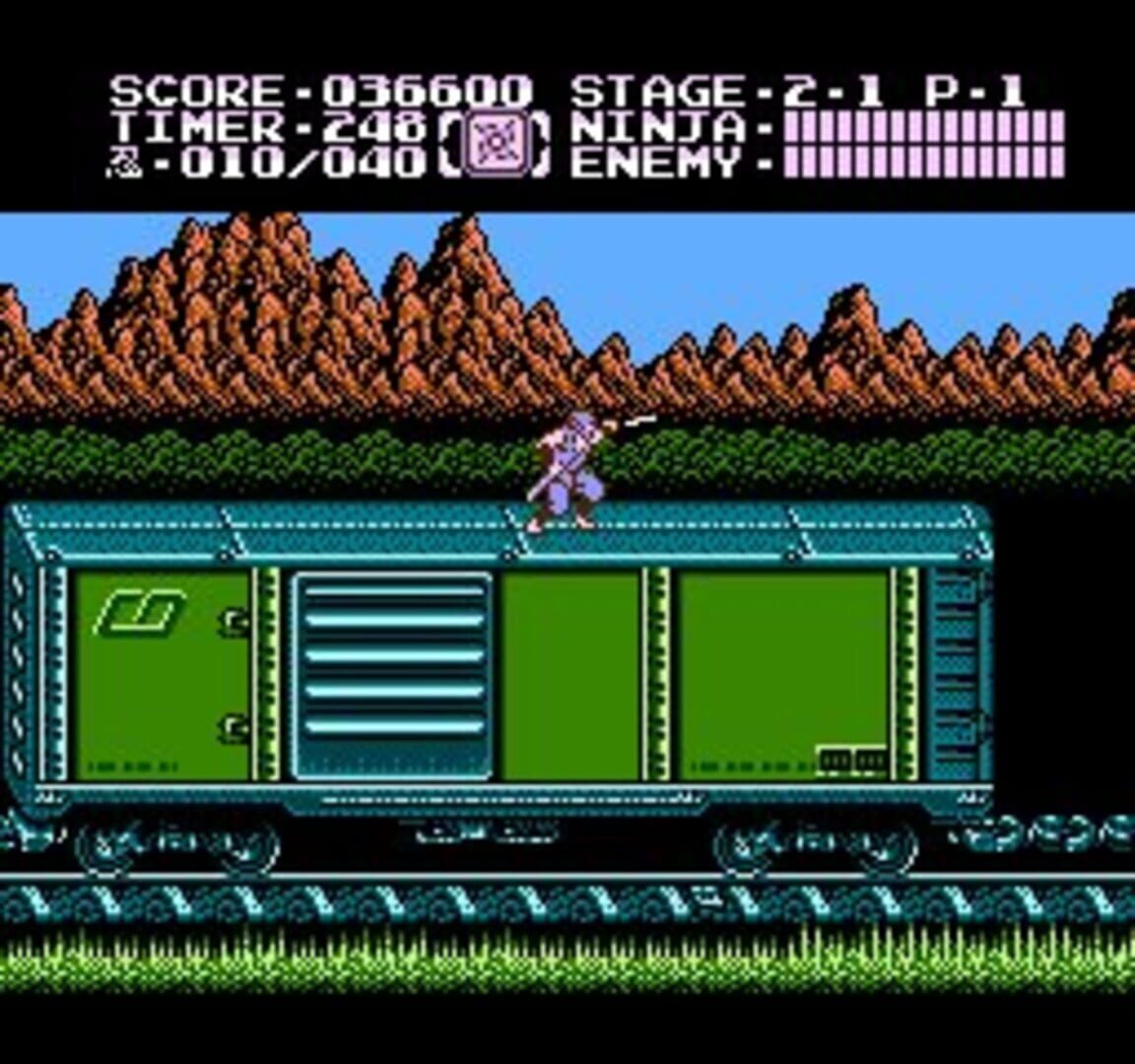
Visually, Ninja Gaiden II is a stunning showcase for the NES. The developers incorporated advanced visual techniques including multi-layered parallax scrolling, atmospheric weather effects like howling wind and dark lightning storms, and meticulously detailed character sprites. Complementing the gorgeous pixel art is a relentless, fast-paced chiptune soundtrack that amplifies the game's high-stakes action.
Gameplay and Features
While maintaining the precise, challenging combat of the first game, the sequel introduced game-changing mechanics:
- Shadow Clones (Phantom Doubles): Ryu can spawn up to two shadow clones that duplicate his attacks, allowing players to deal massive damage and attack from safe angles.
- Wall Climbing Flexibility: Unlike the original game where Ryu could only jump off walls, he can now freely climb up and down vertical surfaces.
- New Sub-Weapons: Additions like the Fire Dragon Art and Phantom Fire Wheel expanded Ryu's offensive arsenal.
Platforms Where It Is Playable
Modern and retro gamers can experience Ninja Gaiden II: The Dark Sword of Chaos across several releases:
- Nintendo Entertainment System (NES): The original 1990 physical cartridge.
- Super Nintendo Entertainment System (SNES): Included in the 1995 compilation Ninja Gaiden Trilogy.
- Virtual Console: Previously available on Wii, Wii U, and Nintendo 3DS digital storefronts.
- Nintendo Switch Online: Available to stream as part of the NES retro library for Switch subscribers.
Final Recommendation
Ninja Gaiden II: The Dark Sword of Chaos remains a crown jewel of retro action platforming. By polishing the movement mechanics, introducing the brilliant Shadow Clone system, and presenting a captivating story, Tecmo created a sequel that surpasses the original in nearly every way. It offers a tough but fair challenge that any retro gaming fan or action enthusiast should experience. Verdict: Highly Recommended.