Retro Review: Kidou Senshi Gundam Part 2: Tobe Gundam (1984)
Released in 1984 during the initial wave of anime-licensed computer software, Kidou Senshi Gundam Part 2: Tobe Gundam represents a captivating chapter in retro gaming history. Following the massive popularity of Yoshiyuki Tomino's pioneering mecha anime series, Bandai sought to recreate the intense tactical battles of the One Year War on early Japanese home microcomputers.
Developer and Historical Context
Developed and published by Bandai in 1984, this title was specifically created for Japan's booming 8-bit microcomputer market. Long before home consoles dominated anime adaptations, Japanese personal computers provided the necessary resolution and memory capacity to depict detailed character portraits, tactical battlefields, and narrative text sequences.
Story and Narrative Integration
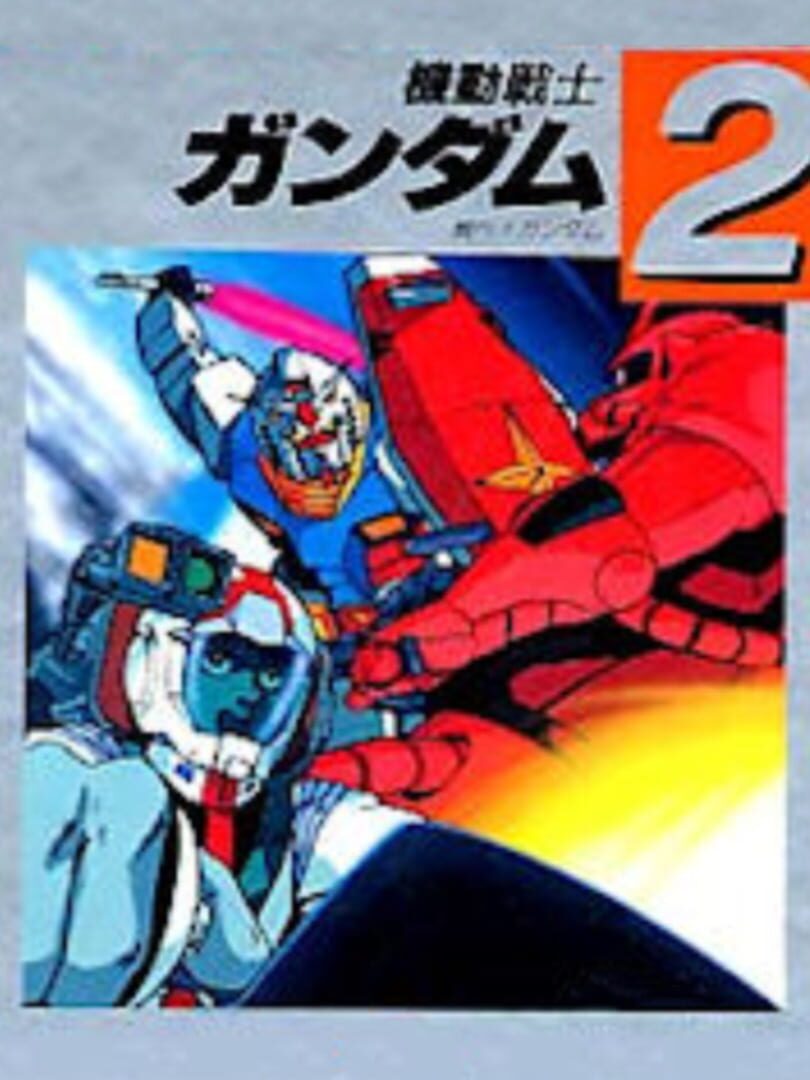
The game picks up mid-way through the original Mobile Suit Gundam television narrative. Players follow protagonist Amuro Ray as he pilots the iconic RX-78-2 Gundam in defense of the Earth Federation space carrier White Base. The story centers on engagements against the Principality of Zeon, highlighting famous rivalries with legendary pilots such as Char Aznable. Despite technical constraints, the game attempts to authentically mirror the dramatic tension and sci-fi aesthetic of the original anime.
Graphics, Visuals, and Audio Presentation
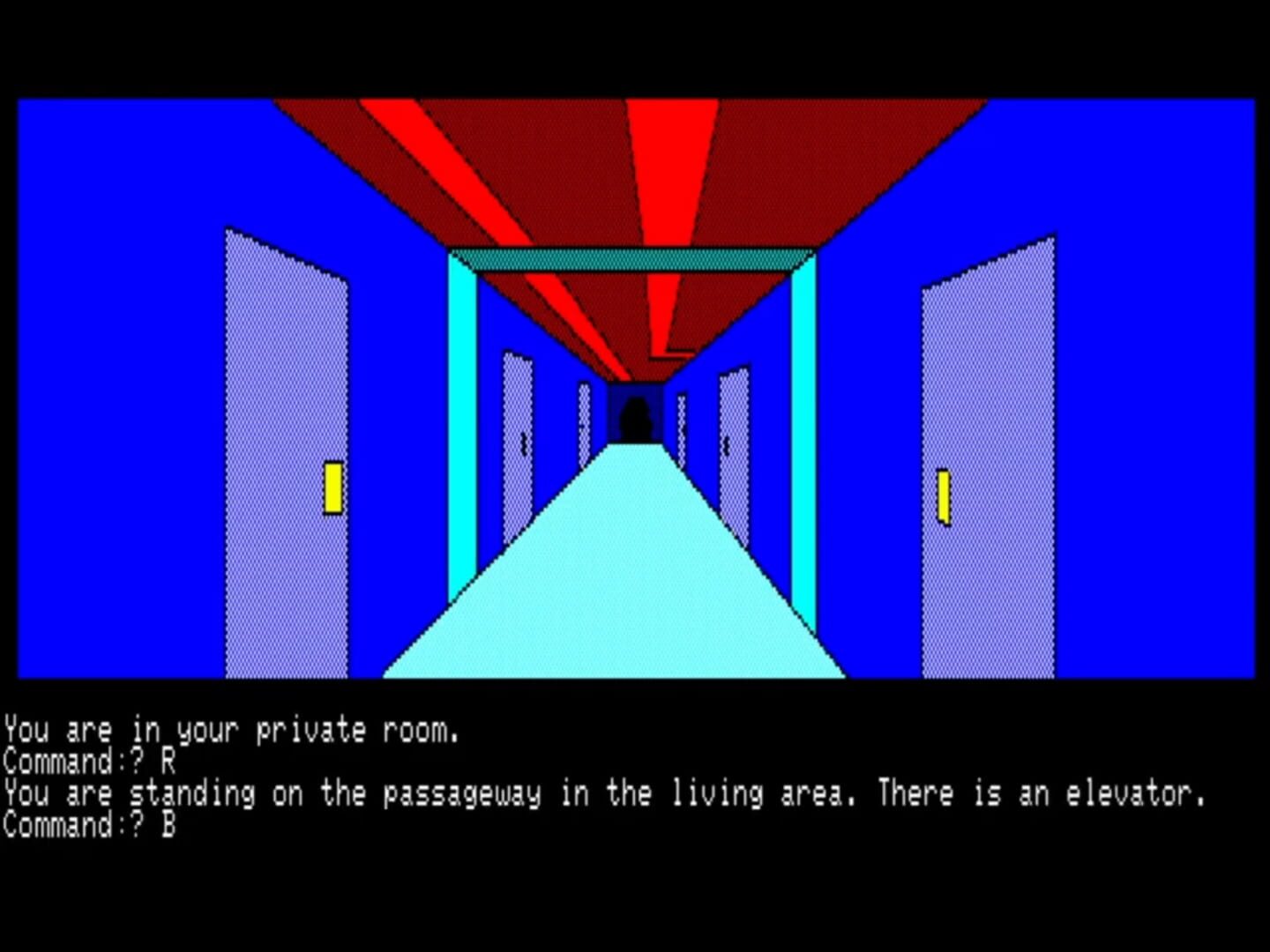
Given its 1984 release date, Tobe Gundam delivered respectable visuals tailored to high-resolution PC displays of the era. The game utilizes detailed 8-bit pixel art for character cutscenes, mecha illustrations, and battlefield maps. The gameplay switches between text-based command choices and grid-based strategy views. The sound design is minimal, relying on built-in computer beep tones and basic sound effects, which was standard for PC titles of the early 1980s.
Playable Platforms
The game was tailored exclusively for the domestic Japanese microcomputer ecosystem of the mid-1980s:
- NEC PC-8801: The primary host platform offering sharp 8-bit color displays.
- Sharp X1: Popular for its distinct display processing and hardware capabilities.
- Fujitsu FM-7: Supported high-resolution microcomputer gameplay.
- Modern Accessibility: The game has not received modern remakes or official digital re-releases, making computer emulation or original retro vintage hardware the only methods to experience it today.
Game Overview Summary
| Attribute | Details |
|---|---|
| Title | Kidou Senshi Gundam Part 2: Tobe Gundam |
| Release Year | 1984 |
| Developer / Publisher | Bandai |
| Genre | Tactical Strategy / Text Adventure |
| Platforms | NEC PC-8801, Sharp X1, FM-7 |
Final Verdict and Recommendation
Kidou Senshi Gundam Part 2: Tobe Gundam (1984) is an intriguing historical piece for die-hard Gundam collectors and fans of retro Japanese microcomputer history. While its slow pacing and archaic control schemes may not appeal to modern gamers seeking quick action, its faithful adaptation of early Gundam lore and vintage artwork make it an extraordinary artifact worth exploring through emulation.