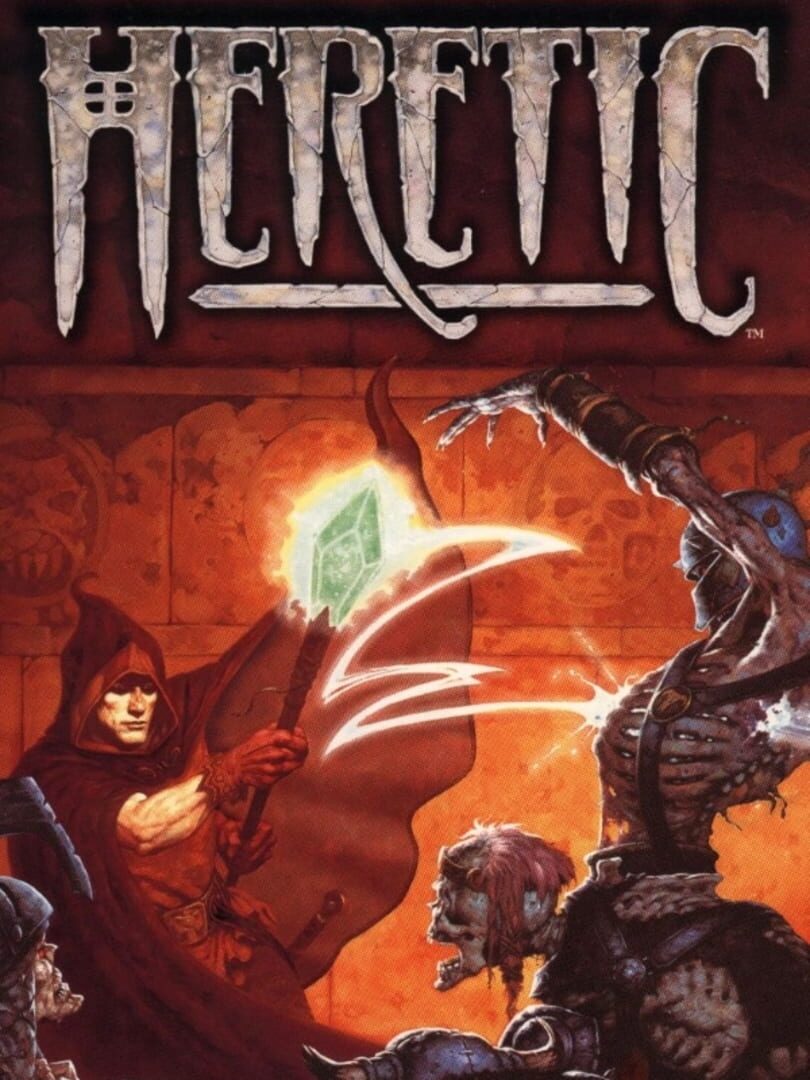
Released in December 1994, Heretic stands as one of the most influential titles from the golden era of 90s first-person shooters. Developed by Raven Software and published by id Software, Heretic took the fast-paced, visceral engine mechanics popularized by Doom and infused them with a atmospheric, dark fantasy setting.
Historical Context and Developer Heritage
In 1994, the gaming world was dominated by sci-fi shooters attempting to clone the massive success of id Software's Doom. Raven Software took a different approach. Working closely with id Software under the guidance of John Romero, Raven licensed and modified the id Tech 1 engine to create a dark fantasy universe.
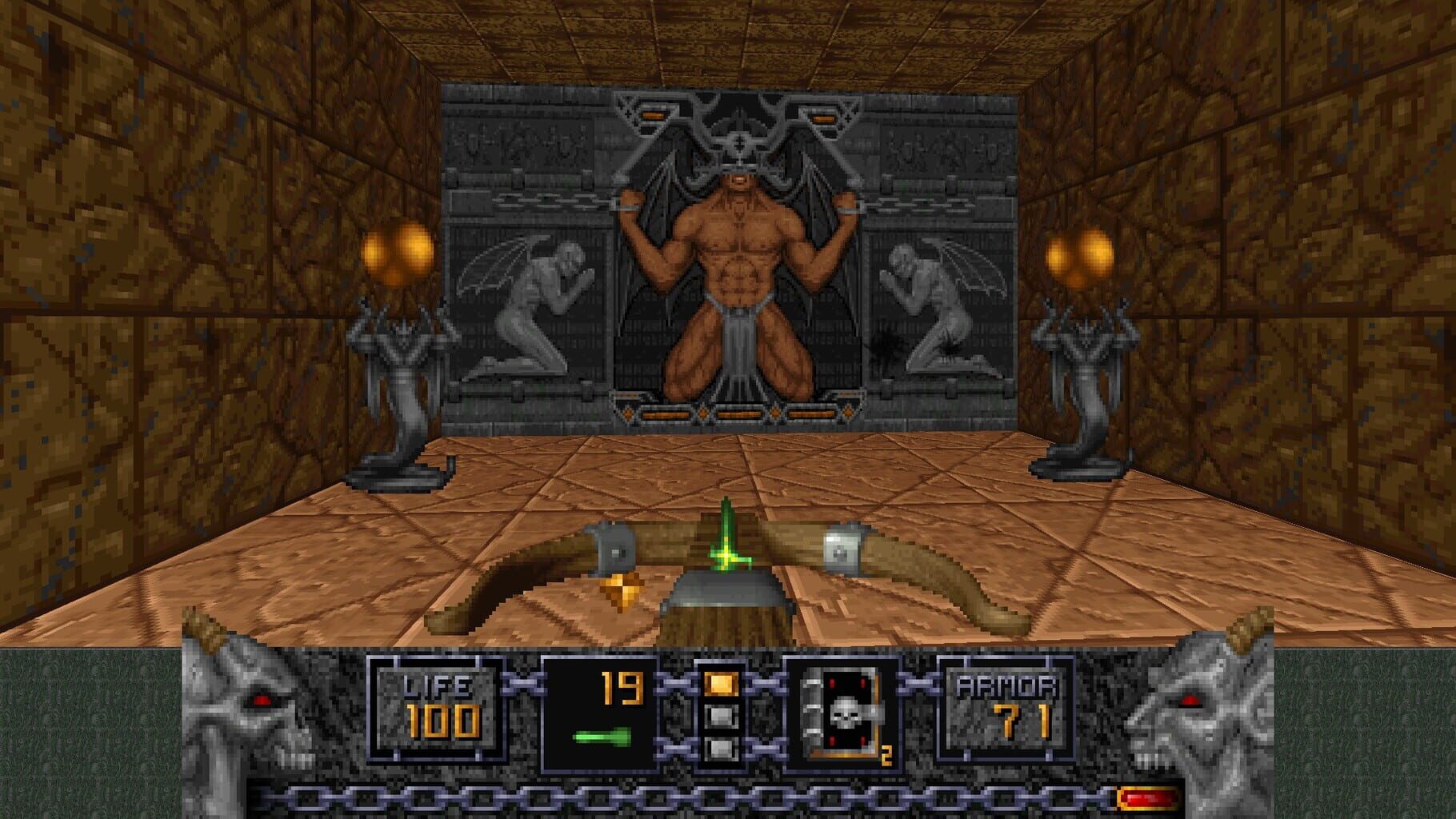
Heretic was revolutionary for its time, introducing technological advancements to the Doom engine that had never been seen before. It introduced look-up and look-down vertical aim, ambient audio cues, dynamic water and lava currents that pushed the player, and an interactive inventory system.
Story and Narrative: The Battle Against D'Sparil
The narrative of Heretic takes place in the realm of Parthoris. Three powerful galactic conquerors known as the Snake Riders used their dark magic to corrupt the Seven Kings of Parthoris, bringing the world under their tyrannical control. The Sidhe Elves were the only race to resist the Snake Riders' influence, leading the youngest warlord, D'Sparil, to unleash a brutal genocidal campaign against them.
Players control Corvus, an exiled Sidhe Elf sorcerer seeking vengeance. Armed with magical weaponry and artifacts, Corvus must fight through armies of undead knights, gargoyles, and dangerous demons across corrupted cities, ancient castles, and subterranean dungeons to slay D'Sparil and liberate Parthoris.
Graphics, Visuals, and Gameplay Mechanics
Visually, Heretic transformed the gritty industrial corridors of Doom into gothic cathedrals, murky swamps, and grand medieval fortresses. The game utilized detailed 2D sprite art within pseudo-3D environments, complemented by vivid lighting effects and gruesome enemy dismemberment animations.
Key Gameplay Innovations:
- Unique Magical Arsenal: Instead of traditional firearms, players wield weapons like the Elven Wand, Ethereal Crossbow, Hellstaff, and the destructive Phoenix Rod.
- Interactive Inventory System: Players can pick up and store items for strategic use, such as the Quartz Flask for healing, the Ring of Invincibility, and the Wings of Wrath for free flight.
- The Tome of Power: A iconic artifact that temporarily alters all weapons in the player's inventory, transforming them into drastically more powerful and visually distinct variants.
- Morph Ovum: A humorous yet effective artifact that turns formidable demon enemies into defenseless chickens.
Platforms: Where is Heretic Playable Today?
While originally released for MS-DOS via floppy disk and CD-ROM, modern gamers have several ways to experience Heretic today:
| Platform / Method | Availability & Features |
|---|---|
| PC (Steam & GOG) | Officially available via digital storefronts bundled with its expansion pack, Shadow of the Serpent Riders. |
| Modern Source Ports (GZDoom / Crispy Heretic) | By placing the original game file (HERETIC.WAD) into modern source ports, players can experience 4K resolutions, uncapped framerates, widescreen support, and controller integration. |
| Console Re-releases | Playable through recent id Software legacy collections and official updates on modern consoles. |
Final Recommendation & Verdict
Heretic (1994) is far more than a simple fantasy clone of Doom. Thanks to its rich atmospheric level design, inventive weapons, inventory mechanics, and high-tempo combat, it carved out a well-deserved legacy as a cornerstone of the retro FPS genre.
Whether you are a fan of 90s retro shooters, boomer shooters, or classic fantasy worlds, Heretic remains an essential piece of gaming history that is still tremendously fun to play today.
Final Verdict: 8.5 / 10 — A timeless dark fantasy retro FPS classic.