


Introduction and Historical Context
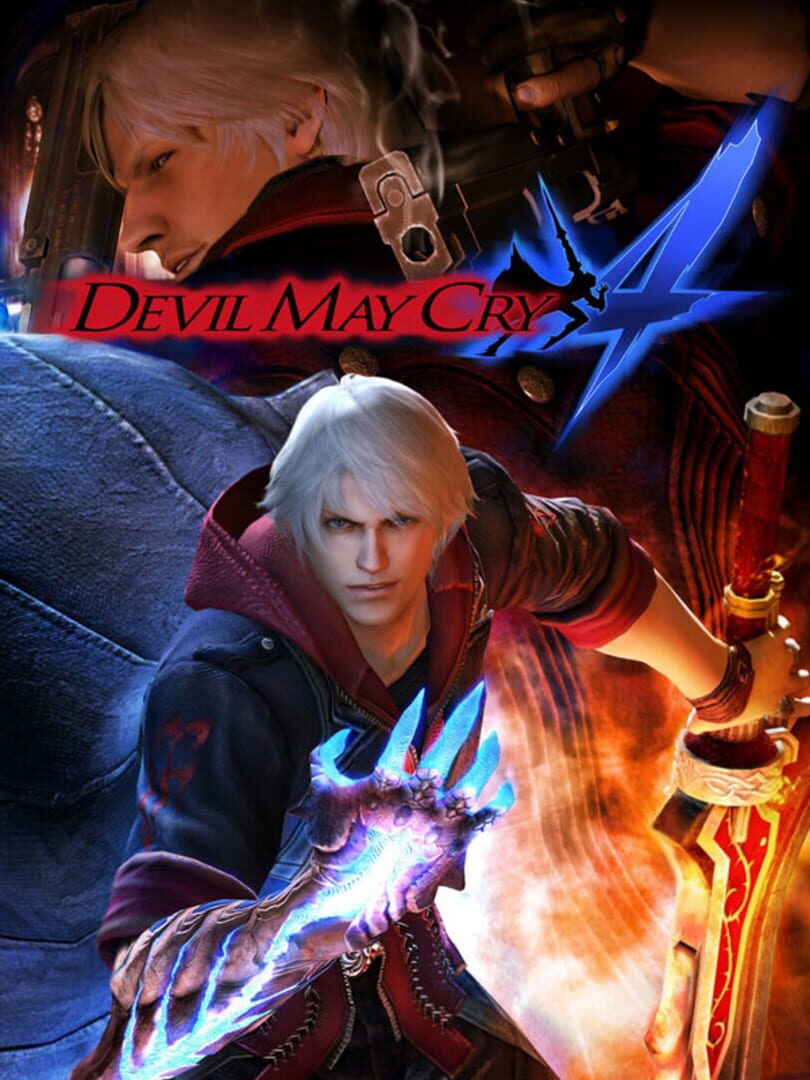
Released in early 2008, Devil May Cry 4 marked a pivotal transition for Capcom's premier hack-and-slash franchise. As the series' first entry on seventh-generation consoles (PlayStation 3 and Xbox 360), the game faced immense pressure to follow the runaway success of 2005's Devil May Cry 3: Dante's Awakening. Directed by Hideaki Itsuno, the title audaciously shifted focus away from iconic protagonist Dante to introduce a new lead character named Nero, revitalizing the combat dynamic while expanding the lore.
Story and Narrative
The narrative of Devil May Cry 4 takes place in the isolated castle city of Fortuna, home to the Order of the Sword—a religious organization that worships the Legendary Dark Knight Sparda as a god. The story kicks off during a church service when Dante suddenly bursts through a stained-glass window and executes the Order's leader, High Priest Sanctus.
Nero, a hot-headed young knight with a mysterious demon-infused arm called the Devil Bringer, is tasked with hunting Dante down. As Nero investigates Dante's motivations, he uncovers widespread corruption within the Order of the Sword. The religious leaders are secretly attempting to harness demon power to build an army of artificial demons and activate a giant automaton known as The Savior. Nero's primary motivation becomes saving his love interest, Kyrie, while Dante works behind the scenes to rectify the balance between the human and demon realms.
Graphics and Visual Performance
Powered by Capcom's proprietary MT Framework engine, Devil May Cry 4 set a visual benchmark for action games upon release in 2008. The engine delivered hyper-detailed character models, grandiose Gothic architecture, dynamic lighting, and expressive spell effects while maintaining a buttery-smooth 60 frames per second.
Even by modern standards, the art direction holds up exceptionally well. The animations during Nero's grab maneuvers and Dante's rapid weapon switches remain crisp and fluid, illustrating why Capcom's engine tech was considered top-tier during that generation.
Developer and Combat System
Developed and published by Capcom, Devil May Cry 4 refined the technical combat system the series is renowned for. The addition of Nero's Devil Bringer mechanic introduced a grappling feature that allows players to pull distant enemies inward or launch brutal snatch attacks, making high combo scores more accessible to casual players.
Conversely, Dante retains his complex real-time style-switching mechanics (Trickster, Swordmaster, Gunslinger, and Royalguard), providing seasoned veterans with virtually infinite combo potential. While the game does recycle boss fights and environments in its back-half when control switches to Dante, the core mechanics remain immensely satisfying.
Playable Platforms
Devil May Cry 4 is widely accessible on multiple platforms today:
- Original Release (2008): PlayStation 3, Xbox 360, and PC (Microsoft Windows).
- Special Edition (2015): PlayStation 4, Xbox One, and PC via Steam. This upgraded edition adds 1080p resolution, improved textures, Legendary Dark Knight mode, and three extra playable characters: Vergil, Trish, and Lady.
- Modern Hardware: Playable on PlayStation 5 and Xbox Series X/S via backward compatibility using the Special Edition release.
Final Recommendation and Verdict
Final Score: 8.5 out of 10
Despite back-tracking through previous levels during the second half of the campaign, Devil May Cry 4 stands as a triumph of character-driven action design. Nero's accessible yet deep mechanics paired with Dante's high-skill floor ensure that the gameplay remains exhilarating from start to finish. If you enjoy stylish beat-'em-ups or want to experience the evolution of Capcom's flagship action series, Devil May Cry 4 (Special Edition) comes highly recommended.

