


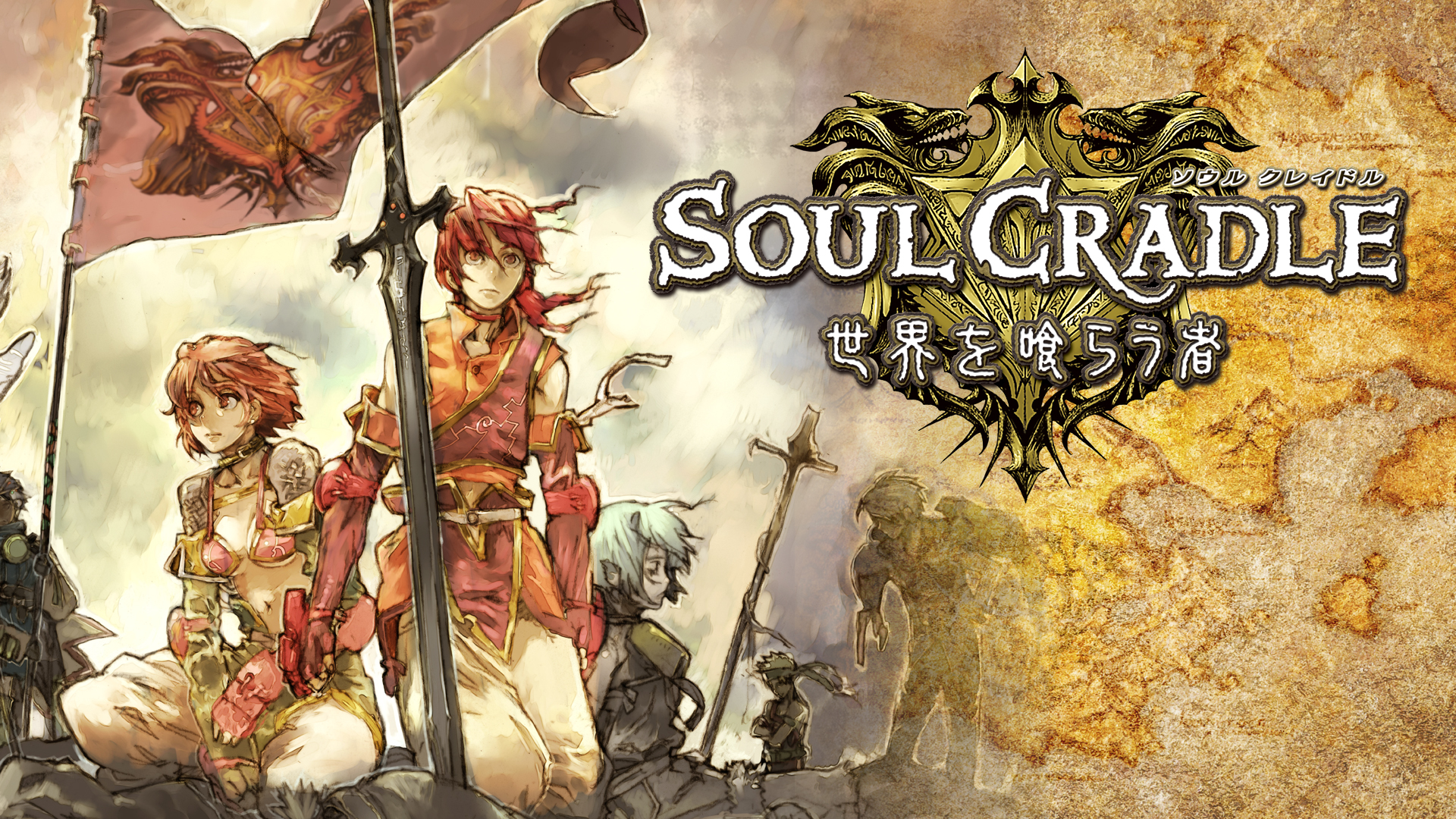
Introduction to Soul Nomad & the World Eaters
Soul Nomad & the World Eaters is one of the most distinct tactical role-playing games developed by Nippon Ichi Software. Released originally on the PlayStation 2 and later brought to modern platforms, it departs from traditional grid-based tactics seen in titles like Disgaea: Hour of Darkness or Phantom Brave. Instead of controlling individual units, players command entire squads arranged in customizable grids known as Rooms.
Whether you are playing for the first time or returning to experience the infamous Demon Path, this complete guide covers squad construction, Decor usage, story progression, and combat strategies to help you conquer Prodesta.
Understanding Squads and the Room System
In Soul Nomad, combat units do not move independently across the battlefield. Instead, they are placed inside a Room grid, forming a single unit on the tactical map known as a Squad.
Room Layouts
Every Room has a specific shape, usually ranging from 1x1 to 3x3 tiles. The position of a unit inside a Room determines which skill they use in battle:
- Front Row: Ideal for melee attackers and heavy tanks. Units in the front take the brunt of enemy attacks.
- Middle Row: Best suited for versatile damage dealers, mid-range combatants, and support units.
- Back Row: Reserved for long-range attackers, healers, and spellcasters who need protection from direct melee hits.
Room Types and Stats
Rooms come with fixed inherent stats and growth modifiers. When inspecting a Room, pay close attention to its terrain bonuses, stamina consumption, and capacity limit. Inspecting and re-rolling Rooms using Change Orders at the shop is vital for optimizing your army as you advance through the campaign.
Mastering Decor Mechanics
Decors are items attached to Rooms that confer massive stat bonuses, passive abilities, or battlefield effects. Using the right Decor strategy can drastically alter the difficulty of tough encounters.
Essential Decor Types
- Stat Buffs: Decors that raise Attack, Defense, or Speed for the entire squad inside the Room.
- Tactical Effects: Decors that increase movement range, reduce stamina costs, or apply elemental resistances.
- One-Time Consumables: Powerful Decors that break after a single combat round or map deployment, providing massive temporary buffs.
A crucial strategy in Soul Nomad is placing high-maintenance Decors on auxiliary squads to boost main combat squads during difficult boss fights. Experimenting with Decor combinations is key to defeating late-game enemies.
Character Classes and Squad Synergies
Building effective squads requires understanding how unit types interact with each other within a Room. Combining compatible unit types unlocks powerful field skills and tactical synergies.
Key Unit Roles
- Knights and Phantoms: Excellent front-row defenders capable of drawing attack focus away from squishier units.
- Pyropages and Mages: High area-of-effect elemental damage dealers best placed in the middle or back rows.
- Clerics: Vital support units that provide squad-wide healing and status recovery from the back row.
- Archers and Snipers: Long-range back-row units capable of striking targets without suffering counterattacks.
The Demon Path: Unlocking and Surviving the Evil Route
One of the most famous features of Soul Nomad & the World Eaters is the Demon Path, an alternate narrative storyline accessible in New Game Plus or through specific early-game decisions.
How to Access the Demon Path
To enter the Demon Path, you must give in to Gig's demands during key choices early in the game or defeat overpowered story bosses during mandatory defeat encounters on a fresh run. Choose options that prioritize Gig's dark power over standard heroics.
Demon Path Gameplay Differences
- Increased Difficulty: Enemies in the Demon Path feature significantly higher stats and aggressive squad layouts.
- Unique Story Progression: The story takes a drastically dark direction, changing recruitments, dialogue, and ending conditions.
- Exclusive Rewards: Players gain access to unique Decors and abilities exclusive to Gig's unleashed power.
Essential Combat Strategies and Tips
- Manage Stamina Wisely: Squads consume stamina with every action. Running out of stamina significantly drops defensive stats, leaving units vulnerable to defeat.
- Utilize Gig Commands: Gig Commands offer game-changing powers on the map, such as stealing items or buffing units, but use them carefully to avoid negative narrative consequences.
- Cycle Room Inspections: Frequently clear out local Room dungeons (Inspections) to gain levels, obtain high-tier Decors, and upgrade your squad capacity.
- Target Squad Leaders: Defeating the leader of an enemy squad destroys the entire unit, regardless of how many subordinates remain alive. Focus fire on leaders to clear maps efficiently.
Frequently Asked Questions
Can I unlock the Demon Path on my very first playthrough of Soul Nomad?
Yes, it is possible to unlock the Demon Path on a first playthrough by defeating the heavily over-leveled boss encounter near the beginning of the story, though it is intended primarily for New Game Plus.
What is the best way to grind levels quickly in Soul Nomad?
The most effective leveling method is performing Room Inspections. Entering and clearing high-level Rooms allows you to gain exp, powerful Decors, and money faster than standard story missions.
How do I increase the capacity of my Rooms?
Room capacity can be raised by clearing Inspections on that specific Room or by using specialized Change Orders to re-roll the Room configuration.
Final Thoughts
Soul Nomad & the World Eaters remains a standout entry in the tactical RPG genre due to its innovative squad mechanics and dark storyline options. By mastering Room layouts, leveraging Decor combinations, and controlling squad stamina, you will be fully prepared to save or destroy the world of Prodesta.
