


Released in 2007 as a flagship cinematic action title for the PlayStation 3, Heavenly Sword captivated players with its ground-breaking motion capture, intense martial arts combat, and deeply emotional narrative. Developed by Ninja Theory, the game tells a dramatic story of destiny, tragic sacrifice, and revenge set against a lush, fantasy-infused world.
For players seeking a complete breakdown of the plot, characters, and ultimate fate of its heroine, this detailed guide offers a full summary and explanation of the narrative behind Heavenly Sword.
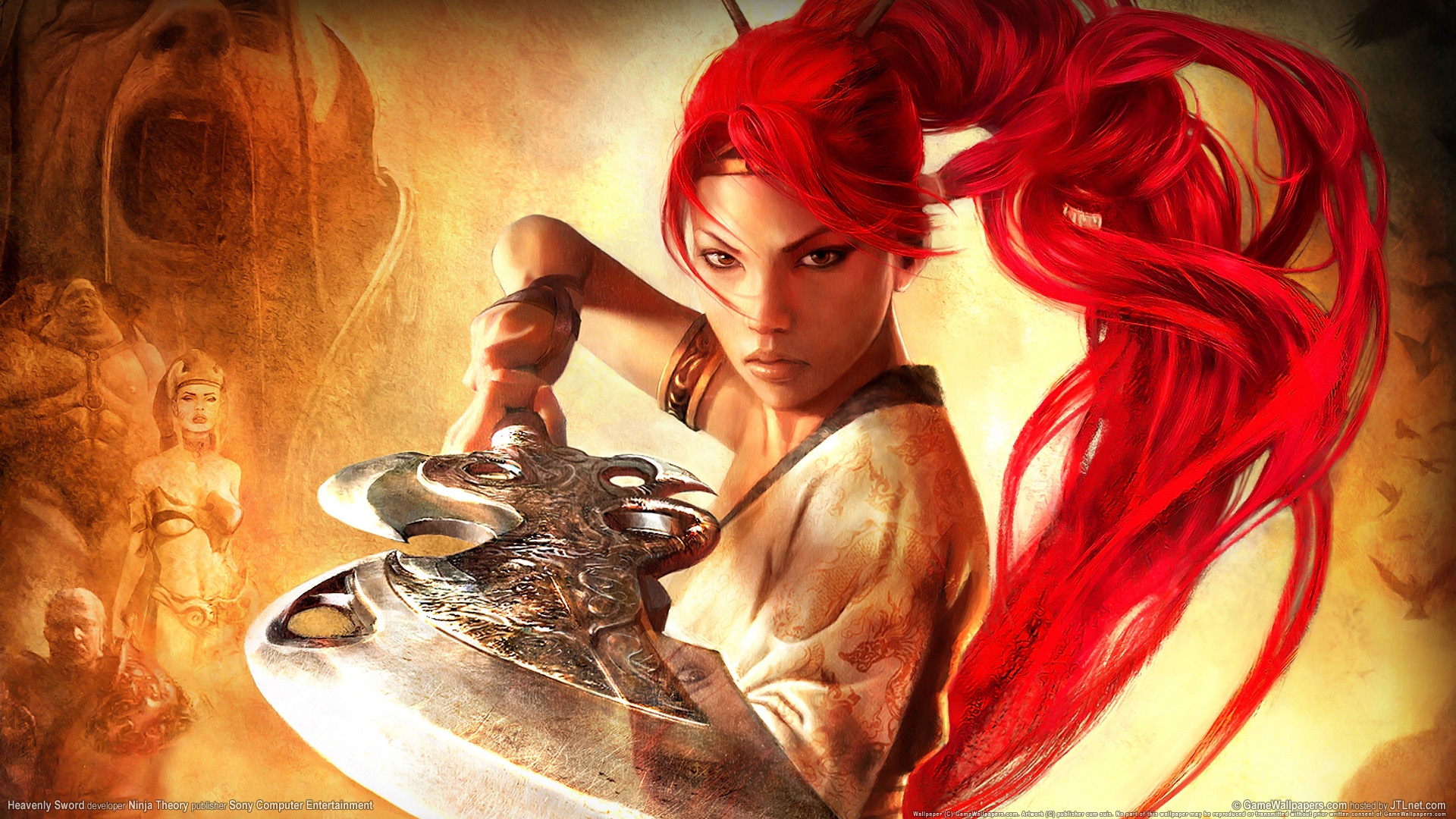
The Lore and Prophecy of the Heavenly Sword
The universe of Heavenly Sword is rooted in ancient mythology. Generations before the game begins, a heavenly deity descended to Earth to slay a demonic warlord who threatened to devour humanity. To accomplish this feat, the deity wielded a god forged blade known as the Heavenly Sword. Once the demon was vanquished, the sword remained on Earth. However, because it was crafted for divine hands, any mortal who unsheathes and wields the weapon is cursed to have their life energy slowly drained away until they die.
A warrior clan took on the sacred duty of guarding the blade, waiting for the fulfillment of a ancient prophecy. According to the legend, a male child would be born in the Year of the Fire Horse, destined to be the reincarnation of the heavenly deity. This chosen prince would safely wield the sword, defeat all evil, and lead the clan into a golden age of peace.
However, when the leader of the clan, Master Shen, fathered a child in the Year of the Fire Horse, his wife gave birth to a daughter instead: Nariko. The tribe viewed her birth not only as a failure, but as a bad omen that signaled their ultimate doom. Raised as an outcast and blamed for the death of her mother (who died in childbirth), Nariko was trained in combat by her father, carrying the heavy burden of her clan's disappointment.
King Bohan's Invasion and Nariko's Fatal Choice
The central conflict begins with King Bohan, a ruthless and power-hungry tyrant seeking total conquest over the land. Learning of the Heavenly Sword's existence, Bohan mobilizes his massive invading army to wipe out the warrior clan and claim the divine relic for his own empire.
As Bohan's forces overwhelm the clan's stronghold, Master Shen is captured. With her people slaughtered and her father facing execution, Nariko realizes there is only one way to defeat the overwhelming imperial force. Overriding her father's strict instructions never to touch the relic, Nariko draws the Heavenly Sword from its scabbard.
The moment Nariko wields the blade, she grants herself godlike martial strength, allowing her to cut through legions of Bohan's soldiers. However, the deadly curse immediately activates. Glowing red veins appear on her skin, marking the beginning of her rapid physical deterioration. She gains immense power, but at the cost of her remaining lifespan.
The Journey and Bohan's Generals
Knowing her time is extremely limited, Nariko sets out to rescue her father and eliminate King Bohan before the blade consumes her soul completely. She is accompanied by Kai, a quirky, traumatized, yet fiercely loyal girl who is the last surviving member of a destroyed clan. Nariko views Kai as her adopted younger sister, forming the emotional core of the narrative.
Standing between Nariko and King Bohan are Bohan's brutal generals, each presenting a distinct challenge:
- Whiptail: A serpentine, amphibious warrior who taunts Nariko about her doomed existence before being killed in battle.
- Roach: King Bohan's grotesque, physically massive son, who acts as a loyal enforcer for his abusive father.
- Flying Fox: A sadistic, acrobatic assassin who severely wounds Kai during an ambush, triggering Nariko's intense fury.
After defeating Flying Fox in a brutal duel, Nariko rushes to save Kai, who barely survives the encounter. With her allies secured, Nariko prepares for her final confrontation at King Bohan's palace.
The Final Battle and Bohan's Downfall
By the time Nariko reaches King Bohan, the curse of the Heavenly Sword has nearly drained all her vitality. Bohan, realizing that Nariko is dying from the sword's power, uses his dark magical rituals to summon the power of the Raven King, taking on a demonic divine form to annihilate her.
Despite her body failing, Nariko taps into the ultimate power of the blade. Entering a divine, transcendent state, she overcomes Bohan's monstrous form and defeats him. Deprived of his demonic power and broken in spirit, Bohan begs for mercy. However, before Nariko can strike the final blow, a raven swoops down and gouges out Bohan's eyes, leaving the defeated king screaming in agony on the battlefield.
Heavenly Sword Ending Explained: Nariko's Sacrifice
The ending of Heavenly Sword brings a poignant resolution to Nariko's journey. Having defeated Bohan's empire and saved her people, the full toll of the weapon takes effect, and Nariko collapses, dying on the field of combat.
In her final moments, Nariko's consciousness enters a spiritual realm inside the Heavenly Sword. She comes face-to-face with the divine spirit of the blade. The spirit offers to spare her life, acknowledging her heroic courage and selfless sacrifice. However, Nariko declines the offer. She understands that her purpose has been served, and she chooses to accept her death naturally rather than living under the shadow of prophecy or curse.
Instead of taking her life in malice, the Heavenly Sword honors her choice, granting her spirit peace. In the real world, Kai and Master Shen mourn Nariko's physical passing. Master Shen finally recognizes that Nariko was never a curse upon their clan; she was their true savior, far greater than any prophecy of a male heir could have predicted. The game concludes with Kai laying the Heavenly Sword to rest beside Nariko's body, ensuring her sacrifice is forever remembered.
Frequently Asked Questions
Does Nariko die at the end of Heavenly Sword?
Yes, Nariko dies at the end of the game. Wielding the weapon costs her life energy, and while she is offered a chance to live on by the blade's divine spirit, she chooses to accept her mortal fate after fulfilling her mission to protect her tribe and defeat King Bohan.
Is Heavenly Sword connected to Hellblade: Senua's Sacrifice?
No, Heavenly Sword and Hellblade: Senua's Sacrifice are separate intellectual properties set in completely different universes. However, both games were developed by Ninja Theory and share thematic similarities, such as a strong female protagonist fighting overwhelming odds and high-quality motion-capture performances.
Did Heavenly Sword ever get a sequel?
Despite critical praise for its story, voice performances (notably Andy Serkis as King Bohan), and artistic direction, a direct sequel to Heavenly Sword was never developed, making it a standalone story.
Final Thoughts
The story of Heavenly Sword remains one of the most memorable cinematic narratives from the early PS3 era. By subverting traditional prophecy tropes and focusing on themes of family, destiny, and ultimate sacrifice, Ninja Theory delivered a tragic yet empowering tale that still resonates with action game fans today.
