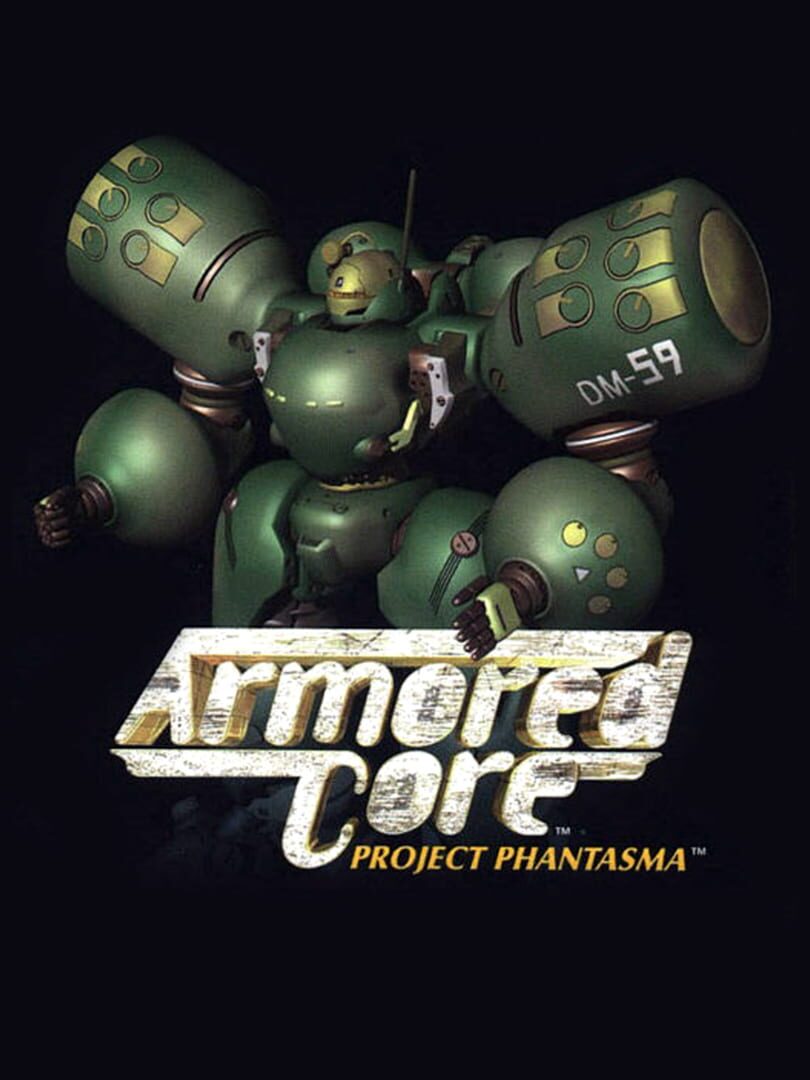
Armored Core: Project Phantasma Review: Retro Mecha Action at Its Core
Released in late 1997 in Japan and early 1998 in North America, Armored Core: Project Phantasma served as the immediate follow-up to FromSoftware's groundbreaking 3D mecha combat game, Armored Core. Rather than a full-fledged numbered sequel, Project Phantasma operates as an expansion-style standalone title that refined the core mechanics of the original game while introducing features that would define the franchise for decades to come.
Developer & Historical Context
Developed by FromSoftware and published by Sony Computer Entertainment (Ascene in Japan), Project Phantasma was released during the golden era of the original PlayStation (PS1). Long before FromSoftware became a household name with Demon's Souls and Elden Ring, they were best known for dark, uncompromising experiences like King's Field and the high-speed tactical customization of Armored Core.
This release was particularly significant because it introduced the ability to import save data from the original game, allowing players to carry over their hard-earned parts and credits. Furthermore, it introduced the legendary Arena Mode, a high-stakes 1v1 ladder system against AI-controlled Ravens that quickly became a staple feature of the entire series.
Story and Narrative: Corporate Secrets and High-Stakes Mercenary Work
The narrative of Project Phantasma shifts slightly away from the grand corporate warfare of the original title, opting for a more character-driven sci-fi thriller approach. Players step back into the boots of a mercenary known as a Raven, operating under the clandestine network known as the Raven's Nest.
The plot kicks off when the player receives an unusually secretive, high-paying request to infiltrate a underground research facility known as Amber Crown. There, the player crosses paths with Sumika Juutilainen, a fellow Raven who seeks vengeance against a shadowy group called the Doomsday Organization. This secretive syndicate is developing a dangerous, top-secret project codenamed "Phantasma"—a deadly fusion of advanced human-machine interface technology and terrifying firepower.
"Project Phantasma represents a pivotal moment in the series where character rivalries, like the conflict with the unhinged pilot Stinger, took center stage in the narrative structure."
The story is told through briefing voiceovers, text logs, and mid-mission dialogue encounters. While minimalist by modern standards, the dynamic between Sumika, the relentless antagonist Stinger, and the corrupt research division provides plenty of incentive to push through the challenging campaign.
Graphics, Sound, and Technical Aspects
For a PlayStation 1 game released in 1997, Armored Core: Project Phantasma pushed the hardware to its absolute limit:
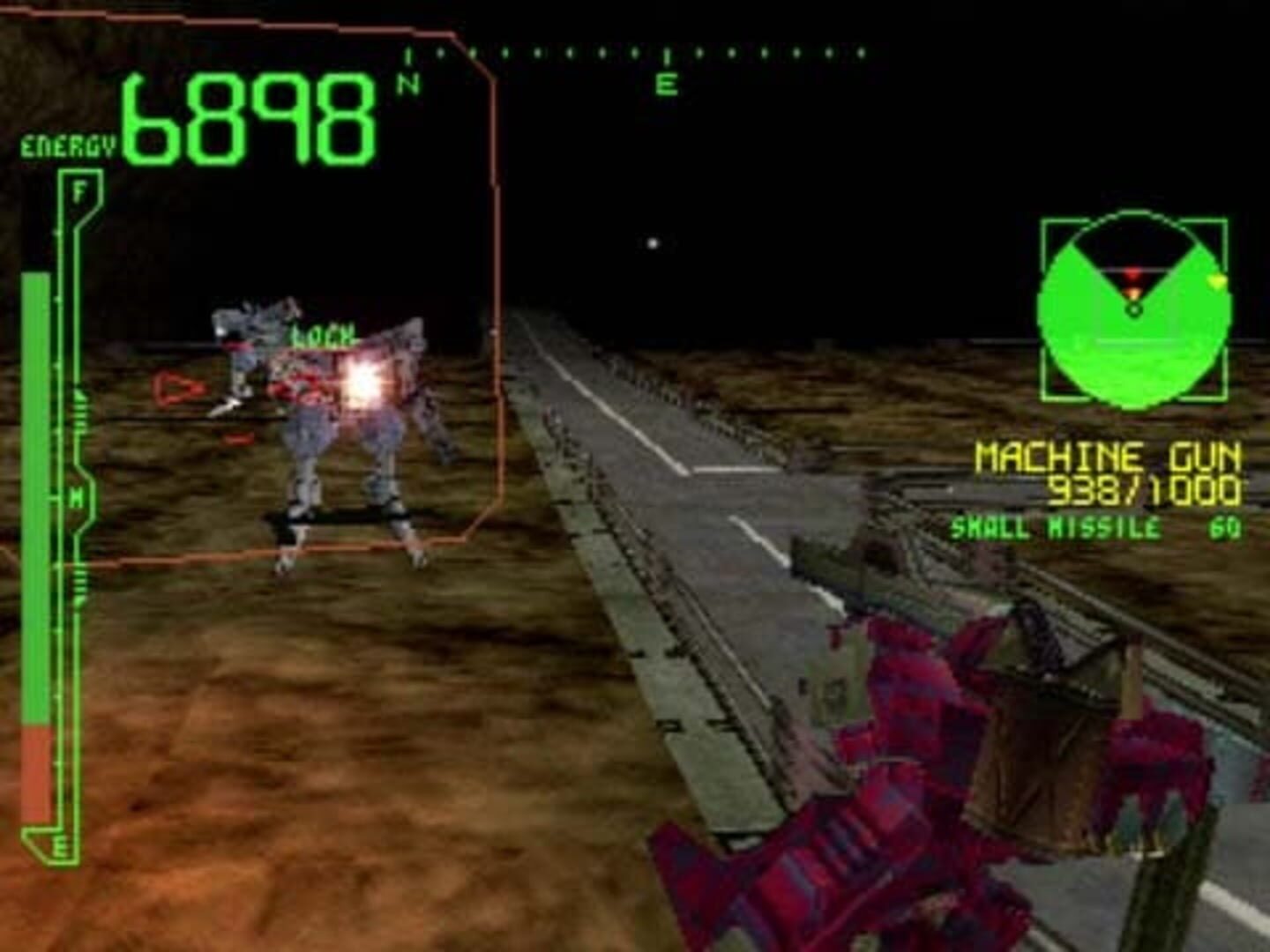
- Visuals: The game features fully 3D industrial environments, ranging from subterranean complexes to urban arenas. Mech designs are highly detailed, featuring crisp geometry and distinct weapon effects.
- Performance: While frame rates can drop during intense multi-enemy firefights, the visual presentation remains remarkably fluid for 32-bit era 3D action.
- Audio Design: The sound design excels with punchy mechanical sound effects, thruster roars, and heavy explosive impacts. The dark techno and electronic synth soundtrack perfectly captures the gritty, dystopian atmosphere of late '90s sci-fi.
Gameplay: Customization and the Birth of the Arena
The primary draw of Project Phantasma remains its deep Armored Core (AC) assembly system. Players balance energy output, weight limits, armor values, and weapon thermal loads across dozens of interchangeable components, including heads, torsos, arms, legs, thrusters, and arm/back weapons.
| Feature | Description |
|---|---|
| Arena Mode | Battle 50 unique rival Ravens in 1v1 combat to earn special parts and rank up. |
| Save Data Transfer | Import garage setups, weapons, and credits directly from the original 1997 game. |
| New Parts | Introduced devastating new energy weapons, blade extensions, and specialized leg units. |
Where is Armored Core: Project Phantasma Playable Today?
Tracking down modern ways to play Project Phantasma requires looking at legacy hardware or digital archives:
- PlayStation 1 (Original Hardware): Discs remain playable on standard PS1, PS2, and backwards-compatible PS3 systems.
- PlayStation Network (PSN): The game was released as a PSOne Classic digital title on the Japanese PlayStation Store, playable on PS3, PSP, and PS Vita.
- Emulation: PlayStation 1 emulation via modern software platforms provides enhanced rendering resolutions, custom control remapping, and smoother frame rates for modern players.
Final Verdict & Recommendation
Armored Core: Project Phantasma (1997) is a crucial piece of mecha gaming history. By perfecting the mech building mechanics and establishing the fan-favorite Arena mode, FromSoftware created a blueprint that modern mecha games still follow today. While the controls (which predate dual-analog stick standards) require a learning curve, its thrilling customization and memorable boss encounters make it an absolute must-play for retro enthusiasts and modern Armored Core VI fans looking to explore the origins of the franchise.
Rating: 8.5/10 - An essential PS1 mecha expansion that defined a legacy.