


Introduction: The Masterminds Behind PlayStation Classics
Few video game development studios have maintained a standard of excellence across multiple console generations quite like Insomniac Games. Founded in 1994 by Ted Price under the initial name Xtreme Software, the studio quickly rebranded to Insomniac Games and embarked on a journey that would reshape the action-adventure and platforming genres. Over the past three decades, Insomniac has evolved from an independent team testing the waters of 3D graphics into one of Sony PlayStation's premier flagship developers.
Known for fluid movement mechanics, inventive weaponry, technical innovation, and charismatic character design, Insomniac Games has created several defining franchises in gaming history. This article traces the history, pivotal shifts, and technological triumphs that define the remarkable evolution of Insomniac Games.

1. The Humble Beginnings: Disruptor and the Birth of a Studio
Before becoming famous for colorful platforming heroes, Insomniac Games made its industry debut with a gritty first-person shooter. Released in 1996 for the original PlayStation, Disruptor was an ambitious project that showcased the studio's early knack for tight combat mechanics and technical skill on early 3D hardware.
While Disruptor received positive critical acclaim from gaming journalists, commercial sales were modest. However, the experience gained during its development proved invaluable. The team learned how to maximize the PlayStation console's custom architecture, paving the way for their breakthrough project.
2. The PlayStation 1 Era: Defining 3D Platforming with Spyro
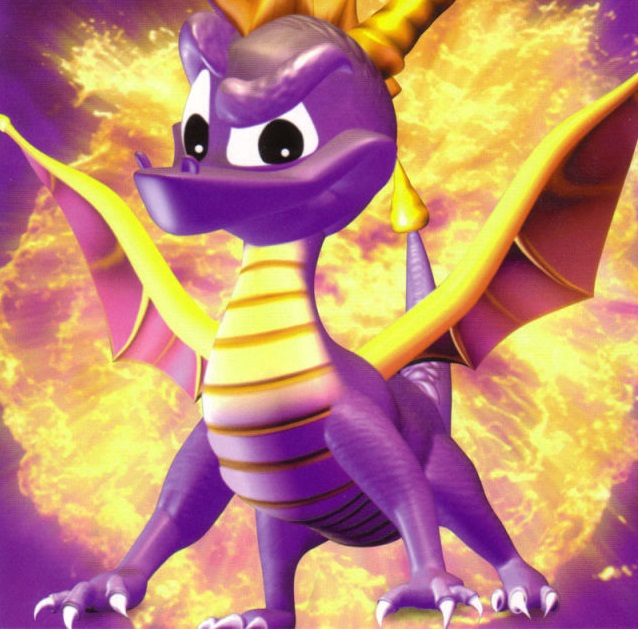
In 1998, Insomniac Games fundamentally shifted direction by creating a vibrant 3D platformer aimed at a broader audience. The result was Spyro the Dragon, an instant sensation that introduced players to a brave purple dragon exploring massive, colorful open worlds.
What set Spyro the Dragon apart from contemporary platformers was its revolutionary level rendering technique, known as the level-of-detail engine. This allowed players to see far across wide open environments without heavy fog or performance drops, a major technical feat for the original PlayStation. The success of the initial game led to two iconic sequels:
- Spyro 2: Ripto's Rage! (1999): Expanded the gameplay with new movement abilities, mini-games, and deeper world progression.
- Spyro: Year of the Dragon (2000): Refined the formula by introducing multiple playable side-characters and refined minigames.
The trilogy cemented Insomniac's reputation as a top-tier platformer developer alongside developer Naughty Dog, establishing a friendly rivalry and artistic camaraderie that would last for decades.

3. The PlayStation 2 Era: Weaponized Humor in Ratchet & Clank
With the launch of the PlayStation 2, Insomniac Games left the Spyro intellectual property behind to build a brand-new universe. In 2002, they introduced the world to an alien Lombax mechanic and a miniature robot in Ratchet & Clank.
The franchise merged traditional 3D platforming with heavy third-person shooter mechanics, satire, and absurdly creative weaponry. Guns like the Morph-o-Ray and the Groovitron showcased Insomniac's legendary creativity. The PS2 era saw rapid-fire releases that consistently improved on the core design:
- Ratchet & Clank (2002)
- Ratchet & Clank: Going Commando (2003)
- Ratchet & Clank: Up Your Arsenal (2004)
- Ratchet: Deadlocked (2005)
The dual dynamic of action-packed gunplay and buddy-comedy storytelling became a signature structural pillar for Insomniac's core identity.

4. Entering the HD Era: The Gritty Alternate History of Resistance
When the PlayStation 3 launched in 2006, Insomniac Games surprised fans once again by taking a dramatic pivot back toward mature, dark sci-fi themes. As a launch title for the PS3, Resistance: Fall of Man presented an alternate 1950s history where humanity fought against an invading alien species called the Chimera.
The series demonstrated the studio's versatility, combining gritty historical aesthetics with inventive sci-fi weaponry like the Bullseye and the Auger. The trilogy expanded rapidly across the PS3 lifecycle:
- Resistance: Fall of Man (2006)
- Resistance 2 (2008)
- Resistance 3 (2011)
Simultaneously, Insomniac continued supporting their family-friendly mascot on the PS3 with the Ratchet & Clank Future saga, including acclaimed entries like Ratchet & Clank Future: Tools of Destruction and Ratchet & Clank Future: A Crack in Time.
5. Expansion and Experimentation: Fuse and Sunset Overdrive
After decades of working almost exclusively with Sony Interactive Entertainment as an independent partner, Insomniac sought to broaden its horizon during the early 2010s. This period led to experimentation across different platforms and publisher partnerships.
In 2013, the studio released Fuse, a multiplatform four-player cooperative shooter published by Electronic Arts. Though technically sound, Fuse struggled to find a distinct identity in a crowded market.
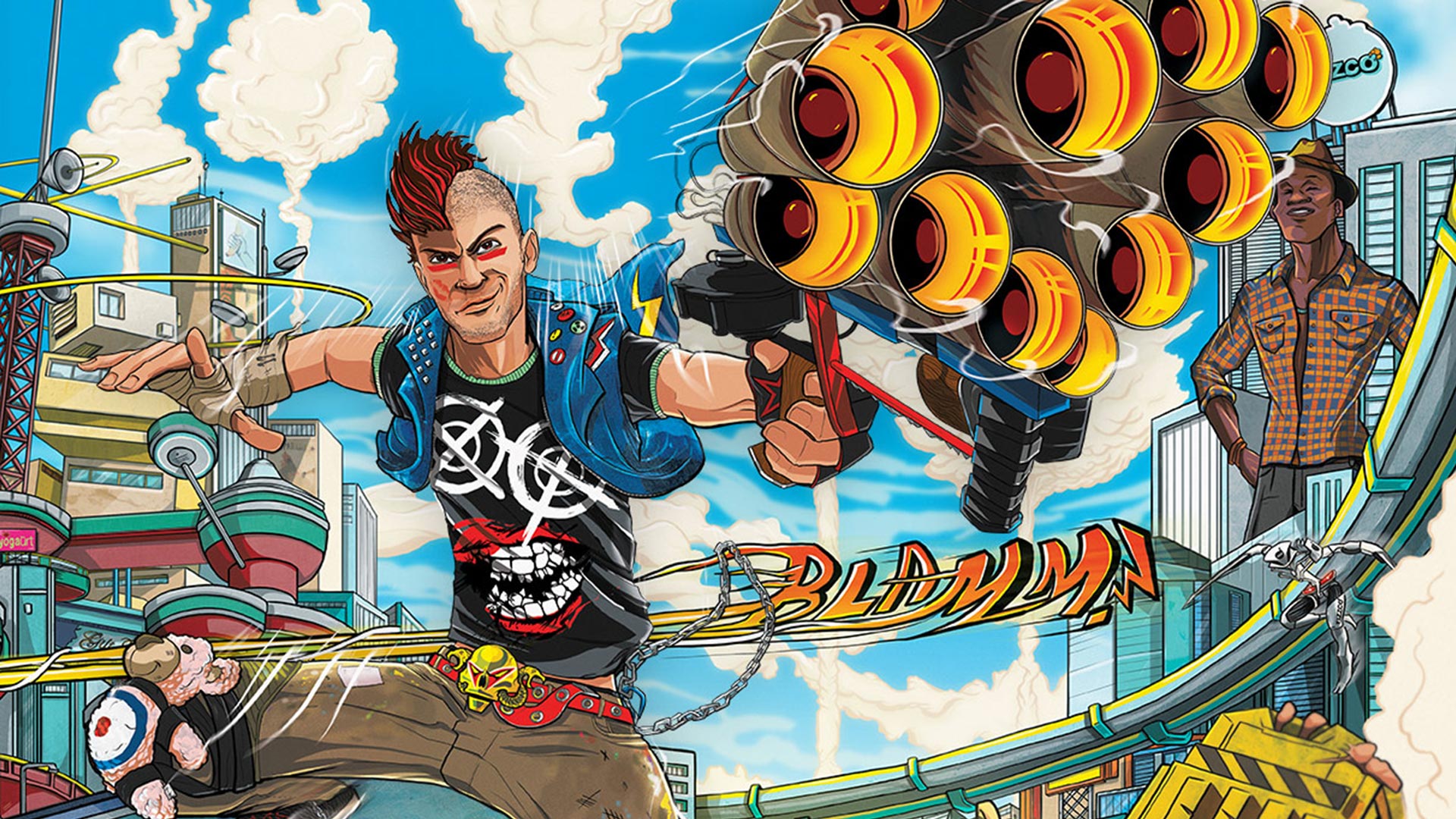
However, their next major experiment in 2014 was a massive artistic success: Sunset Overdrive, an Xbox One exclusive published by Microsoft Studios. Highlighting punk-rock aesthetics, bright colors, rail-grinding movement, and wacky weapons, Sunset Overdrive recaptured the chaotic joy of Insomniac's earlier works while perfecting momentum-based open-world movement mechanics.

6. The Superhero Renaissance and Sony Acquisition
The momentum built from Sunset Overdrive set the stage for Insomniac's biggest project to date. Partnering with PlayStation and Marvel Games, Insomniac was entrusted with creating an original adaptation of iconic superhero Peter Parker.
Released in 2018 on the PlayStation 4, Marvel's Spider-Man became a global phenomenon. Critics and players praised its fluid web-swinging mechanics, engaging combat systems, and emotionally resonant storyline. It quickly broke sales records to become one of the best-selling superhero games in history.
Following this massive accomplishment, Sony Interactive Entertainment acquired Insomniac Games in 2019, officially welcoming the developer into PlayStation Studios. Under Sony's wing, the studio demonstrated an impressive pace of high-quality releases:
- Marvel's Spider-Man: Miles Morales (2020) – A launch title for the PlayStation 5 focusing on Miles' journey.
- Ratchet & Clank: Rift Apart (2021) – A graphical showcase leveraging PS5 ultra-fast SSD speeds for instantaneous dimension-hopping.
- Marvel's Spider-Man 2 (2023) – A sprawling sequel featuring dual protagonists, enhanced traversal, and cutting-edge visual presentation.
7. What Makes Insomniac Games Unique?
Throughout their evolution, Insomniac Games has retained specific core qualities that differentiate them from other AAA studios:
- Technical Efficiency: Insomniac is renowned for optimizing engine performance and pushing new hardware capabilities to their limits early in a console's lifespan.
- Unmatched Traversal Systems: Whether it is gliding in Spyro the Dragon, rail-grinding in Sunset Overdrive, or web-swinging in Marvel's Spider-Man, moving around the game environment is always deeply engaging.
- Inventive Weapon Design: From sci-fi gadgets to comic absurdity, weapon variety remains a core pillar of their action titles.
- Consistent Productivity: Unlike many contemporary AAA studios that require 6 to 8 years per game, Insomniac maintains incredible development velocity without compromising overall quality.
Frequently Asked Questions
Was Insomniac Games always owned by Sony?
No. For most of its history, Insomniac Games operated as an independent development studio. Although they worked closely with Sony to create exclusive franchises like Spyro the Dragon, Ratchet & Clank, and Resistance: Fall of Man, Sony did not acquire Insomniac Games until August 2019.
What was the first game developed by Insomniac Games?
The studio's debut game was Disruptor, a first-person shooter released for the original PlayStation console in 1996.
What future titles is Insomniac Games currently developing?
Insomniac Games is currently working on Marvel's Wolverine, an upcoming action-adventure title designed exclusively for the PlayStation 5 console, alongside continuing expansion in the Marvel video game universe.
Final Thoughts: The Legacy of Insomniac Games
The story of Insomniac Games is one of constant adaptation, technical mastery, and artistic ambition. From humble beginnings with Disruptor to redefining superhero video games with Marvel's Spider-Man 2, Insomniac has proved time and again that they understand what makes gaming fun. As a cornerstone of PlayStation Studios, their future remains brighter than ever.
