


Guerrilla Games stands as one of Sony Interactive Entertainment's premier first-party developers. Based in Amsterdam, Netherlands, the studio has undergone one of the most impressive transformations in video game history. From building dark, gritty first-person shooters to crafting breathtaking open-world action RPGs filled with robotic dinosaurs, Guerrilla Games has consistently defined the graphical and technical capabilities of PlayStation hardware.
Understanding the evolution of Guerrilla Games requires looking back at their humble beginnings, their defining decades with dark sci-fi franchises, and the revolutionary pivot that cemented them as absolute titans in modern game development.

The Origins and Early Beginnings
Before becoming a household name among PlayStation fans, Guerrilla Games was formed in 2000 through the merger of three smaller Dutch studios: Digital Infinity, Formula, and Lost Boys Games. Operating initially under the name Lost Boys Games, the studio was rebranded as Guerrilla Games in 2003 after being acquired by Media Republic.
The studio's early period was marked by multiplatform development. Their first major release was Shellshock: Nam '67, a third-person tactical shooter set during the Vietnam War. Published by Eidos Interactive in 2004, the game received mixed reviews for its gritty presentation and brutal gameplay mechanics. However, it established Guerrilla's talent for atmospheric world-building and strong technical execution.

The Killzone Era: Defining PlayStation Shooters
Guerrilla's major breakthrough came in 2004 with the release of Killzone on the PlayStation 2. Hyped heavily by media as PlayStation's answer to Halo: Combat Evolved, the game introduced players to the brutal interstellar war between the ISA (Interplanetary Strategic Alliance) and the militaristic Helghast empire. While the original game suffered from hardware limitations, its oppressive art direction, heavy gunplay, and iconic glowing-eyed Helghast soldiers captured immediate attention.
Recognizing the studio's immense potential, Sony Computer Entertainment acquired Guerrilla Games in 2005, making it an official first-party PlayStation Studio. This partnership birthed one of the most famous cinematic moments in gaming history during E3 2005, where Sony showcased a concept target render trailer for Killzone 2. While controversial at the time due to debate over whether it was real gameplay, Guerrilla matched that visual fidelity when Killzone 2 officially released on the PlayStation 3 in 2009.
The franchise continued to expand rapidly across multiple generations and platforms:
- Killzone: Liberation (2006): A critically acclaimed top-down isometric action shooter for the PlayStation Portable (PSP).
- Killzone 2 (2009): A technical masterpiece on PS3 that introduced heavy combat physics, brutal multiplayer, and atmospheric visuals.
- Killzone 3 (2011): Expanded scope with varied environments, jetpacks, and stereoscopic 3D support.
- Killzone: Shadow Fall (2013): A sleek launch title for the PlayStation 4 highlighting dynamic lighting and powerful PS4 visual fidelity.
Developing the Decima Engine
Behind Guerrilla's incredible visual fidelity lies proprietary technology known as the Decima Engine. Originally developed for Killzone: Shadow Fall, this in-house engine was designed to handle high-density geometry, advanced artificial intelligence, dynamic lighting, and immense open worlds.
The quality of the engine was so remarkable that legendary director Hideo Kojima chose Decima to power his studio's debut independent title, Death Stranding. The ongoing collaboration between Guerrilla Games and Kojima Productions further refined Decima into one of the most flexible and visually arresting game engines in the modern industry.
The Massive Pivot: Pitching Horizon Zero Dawn
By 2011, after nearly a decade of developing bleak, grey-and-brown urban warfare in the Killzone universe, Guerrilla Games felt a strong creative desire to innovate. The studio hosted internal pitching sessions where team members presented brand-new concept ideas.
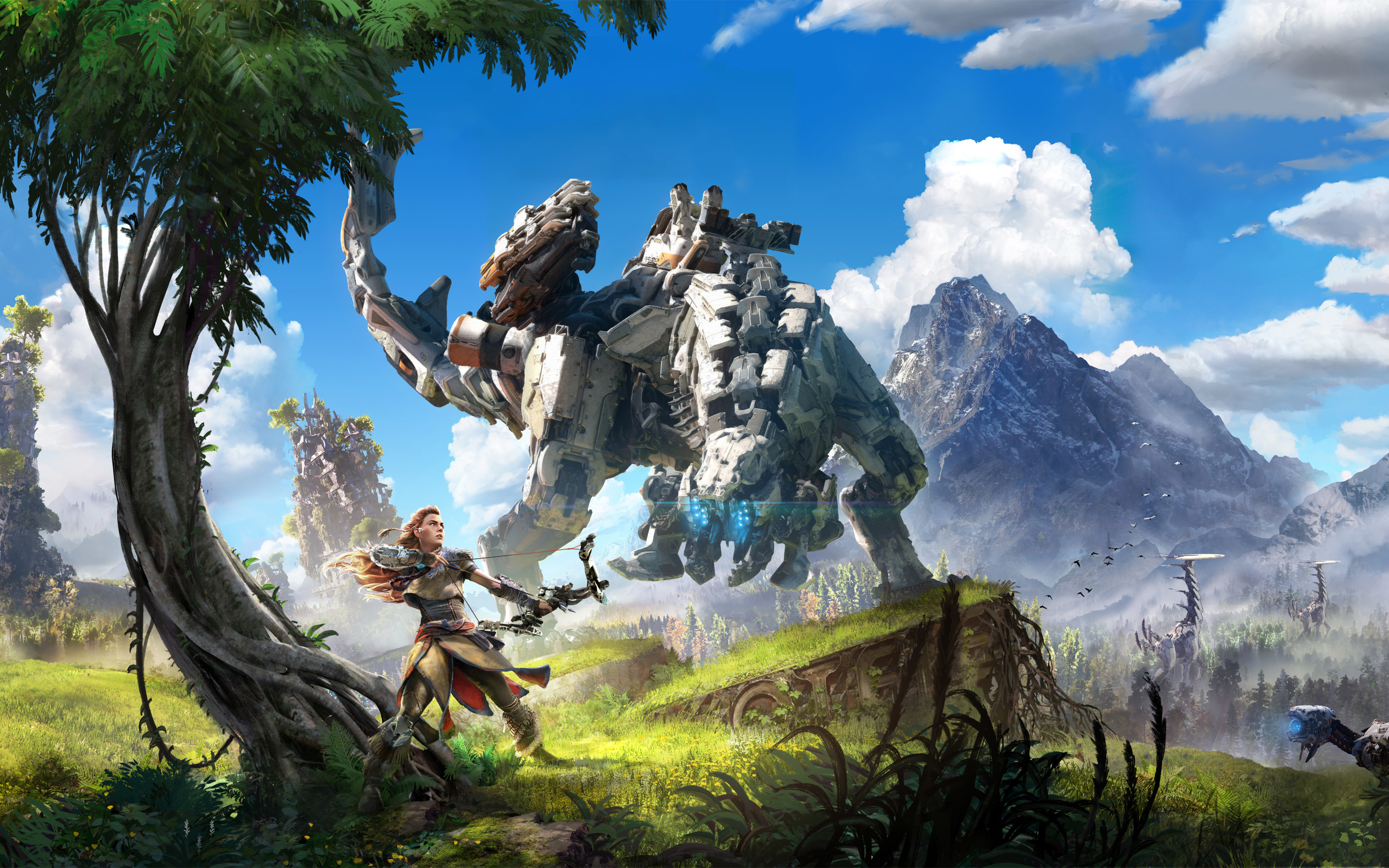
Art Director Jan-Bart van Beek pitched a risky concept: a post-apocalyptic earth where nature had reclaimed civilization, populated by tribal humans and giant robotic machines. Despite internal anxiety about stepping away from first-person shooters into unfamiliar open-world action-RPG territory, the studio chose the pitch that would become Horizon Zero Dawn.
Released in 2017 for the PlayStation 4, Horizon Zero Dawn was an incredible critical and commercial triumph. Introducing Aloy—a skilled hunter seeking answers about her past and the fall of ancient human civilization—the game captivated millions with its innovative combat, tactical tear-off armor mechanics, vibrant world design, and deeply compelling story.
Mastering Open-World RPGs: Horizon Forbidden West and Beyond
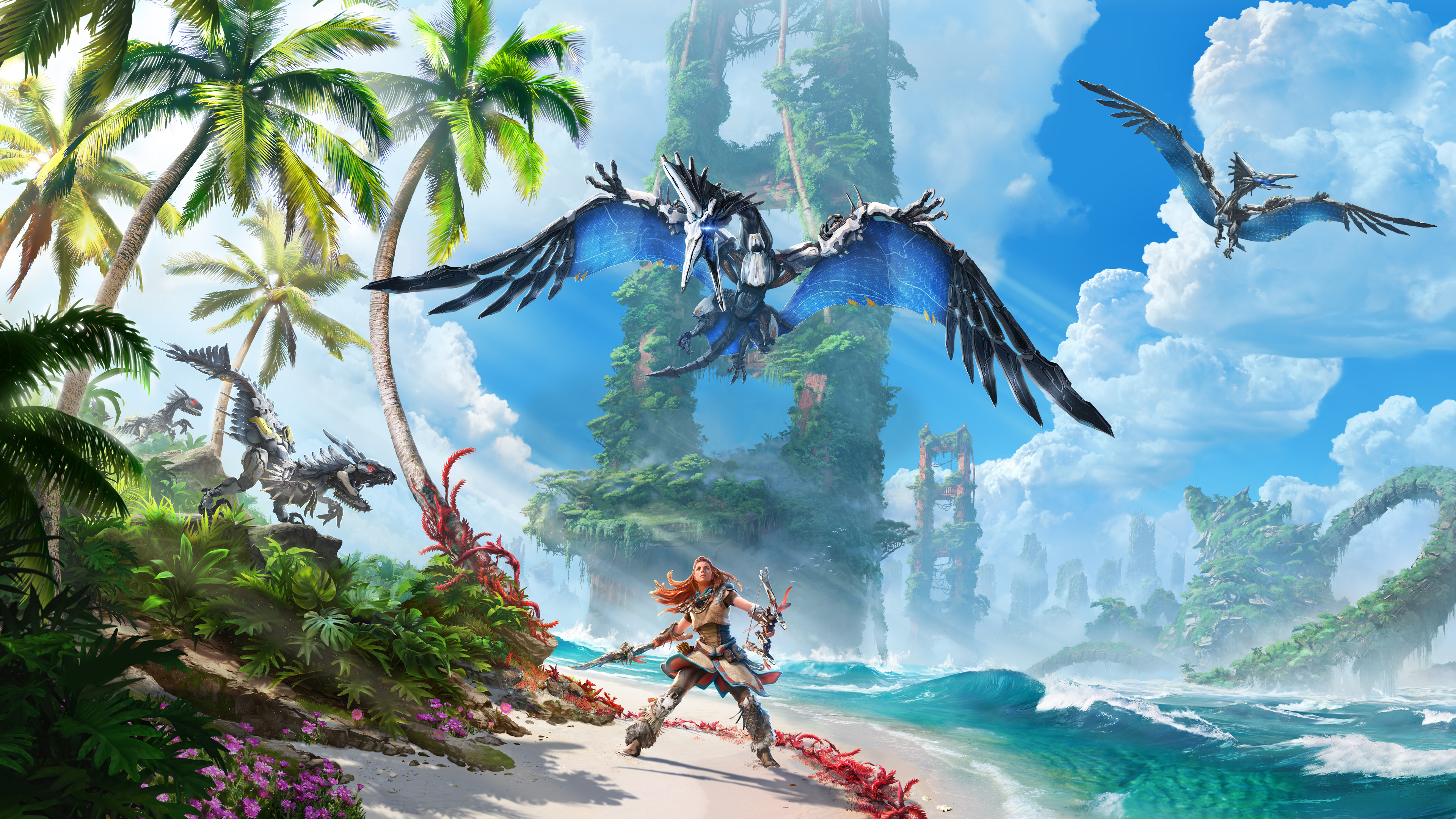
Building upon the massive success of Aloy's debut, Guerrilla Games pushed their technological prowess even further with the sequel, Horizon Forbidden West (2022). Launched across PS4 and PlayStation 5, the title set new standards for character rendering, underwater exploration, facial animation, and biome diversity.
Guerrilla has continued expanding the franchise across new interactive mediums and partnerships:
- Horizon Call of the Mountain (2023): Co-developed with Firesprite as a flagship virtual reality experience for PlayStation VR2.
- Lego Horizon Adventures (2024): A family-friendly spin-off developed in collaboration with Studio Gobo, bringing Aloy's world to Lego brick form across multiple platforms.
Frequently Asked Questions
Will Guerrilla Games ever return to the Killzone franchise?
While Guerrilla Games has not officially canceled the Killzone series, the studio is currently focused on expanding the Horizon universe alongside multiplayer and VR projects. For now, the franchise remains on hold.
What engine does Guerrilla Games use?
Guerrilla Games uses their proprietary game engine called Decima. It powers titles like Horizon Zero Dawn, Horizon Forbidden West, and Kojima Productions' Death Stranding.
Where is Guerrilla Games located?
Guerrilla Games is headquartered in Amsterdam, Netherlands, and operates as a core studio within PlayStation Studios.
Final Thoughts
The history of Guerrilla Games is a masterclass in creative evolution and technical bravery. Very few gaming studios successfully transition from linear first-person tactical shooters to world-class open-world RPGs. By taking creative risks, investing in industry-leading engine technology, and placing narrative and art direction at the forefront, Guerrilla Games has established itself as an indispensable pillar of the PlayStation brand.
