


The Wolfenstein franchise is one of the longest-running and most influential series in first-person shooter history. Since the release of Castle Wolfenstein in 1981 and the genre-defining Wolfenstein 3D in 1992, the franchise has undergone several reboots, retcons, and modern revivals. With MachineGames rebooting the narrative in 2014, understanding the story of William "B.J." Blazkowicz can be surprisingly complex.
This guide breaks down the complete modern Wolfenstein timeline in chronological order, explaining how every entry fits into the alternate history narrative where the Nazi regime conquered the globe.
The Modern MachineGames Timeline
While classic entries established the foundation of the series, MachineGames built a cohesive, narrative-driven alternate universe. To experience B.J. Blazkowicz's story in chronological order, follow this exact sequence.

1. Wolfenstein: The Old Blood (Set in 1946)
Wolfenstein: The Old Blood serves as a direct prequel to Wolfenstein: The New Order. Set in an alternate 1946, WWII is nearing its end, but the Nazi forces have turned the tide of war using advanced technology and occult research. B.J. Blazkowicz infiltrates Castle Wolfenstein to steal documents revealing the location of General Wilhelm "Deathshead" Strasse's compound. The game is split into two parts: navigating Castle Wolfenstein and investigating supernatural occurrences in the town of Wulfburg.
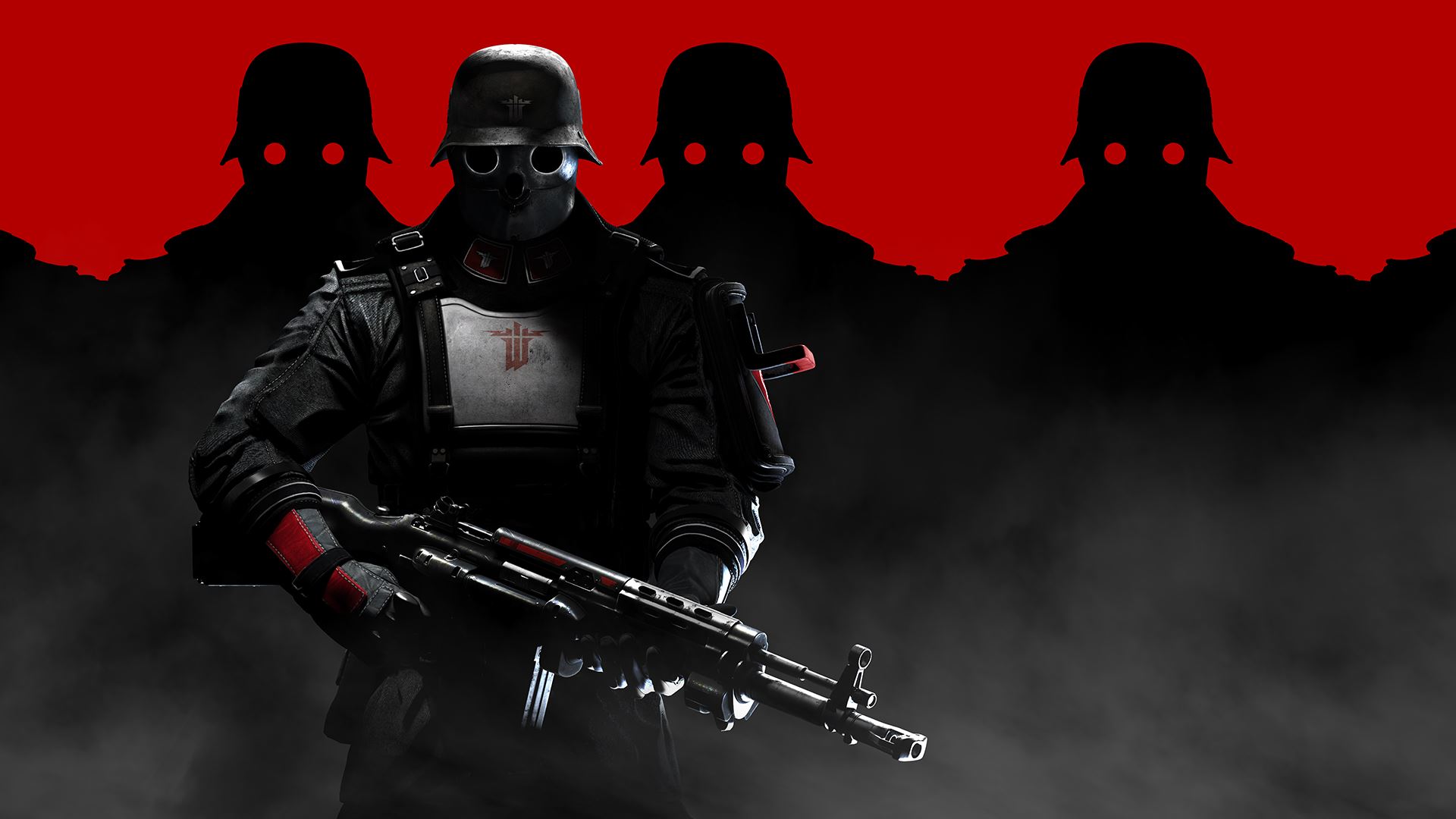
2. Wolfenstein: The New Order (Set in 1946 / 1960)
Wolfenstein: The New Order begins immediately after the events of Wolfenstein: The Old Blood. An assault on Deathshead's fortress goes horribly wrong, leaving B.J. with a severe head injury that puts him into a 14-year coma. He awakens in 1960 to a nightmare: the Allied powers lost the war, and the Nazi regime rules the world. Joining the Kreisau Circle resistance movement, B.J. initiates a global rebellion against the regime's staggering technological supremacy.
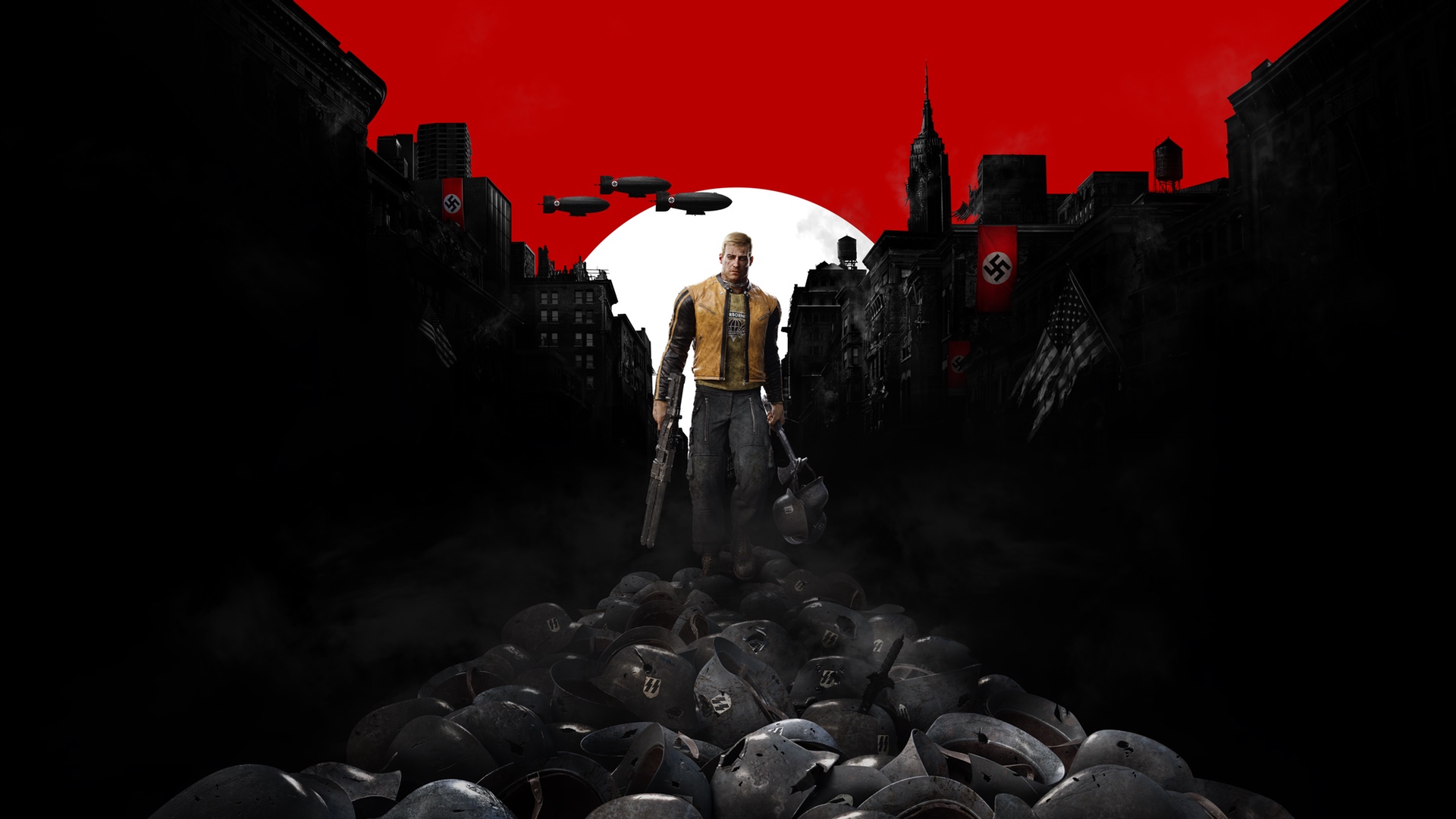
3. Wolfenstein II: The New Colossus (Set in 1961)
Picking up directly from the climax of Wolfenstein: The New Order, Wolfenstein II: The New Colossus takes the battle to occupied America. A severely wounded Blazkowicz and the surviving Kreisau Circle members travel across famous American locations—including a nuked Manhattan, Roswell, and New Orleans—to spark the second American Revolution against Frau Engel and the occupying forces.

4. Wolfenstein: Cyberpilot (Set in 1980)
Set two decades after Wolfenstein II: The New Colossus, Wolfenstein: Cyberpilot is a virtual reality standalone title. Taking place in Paris during 1980, players assume the role of a hacker working for the French Resistance. The story runs parallel to the early events of Wolfenstein: Youngblood, focusing on hijacking enemy war machines to liberate the city.
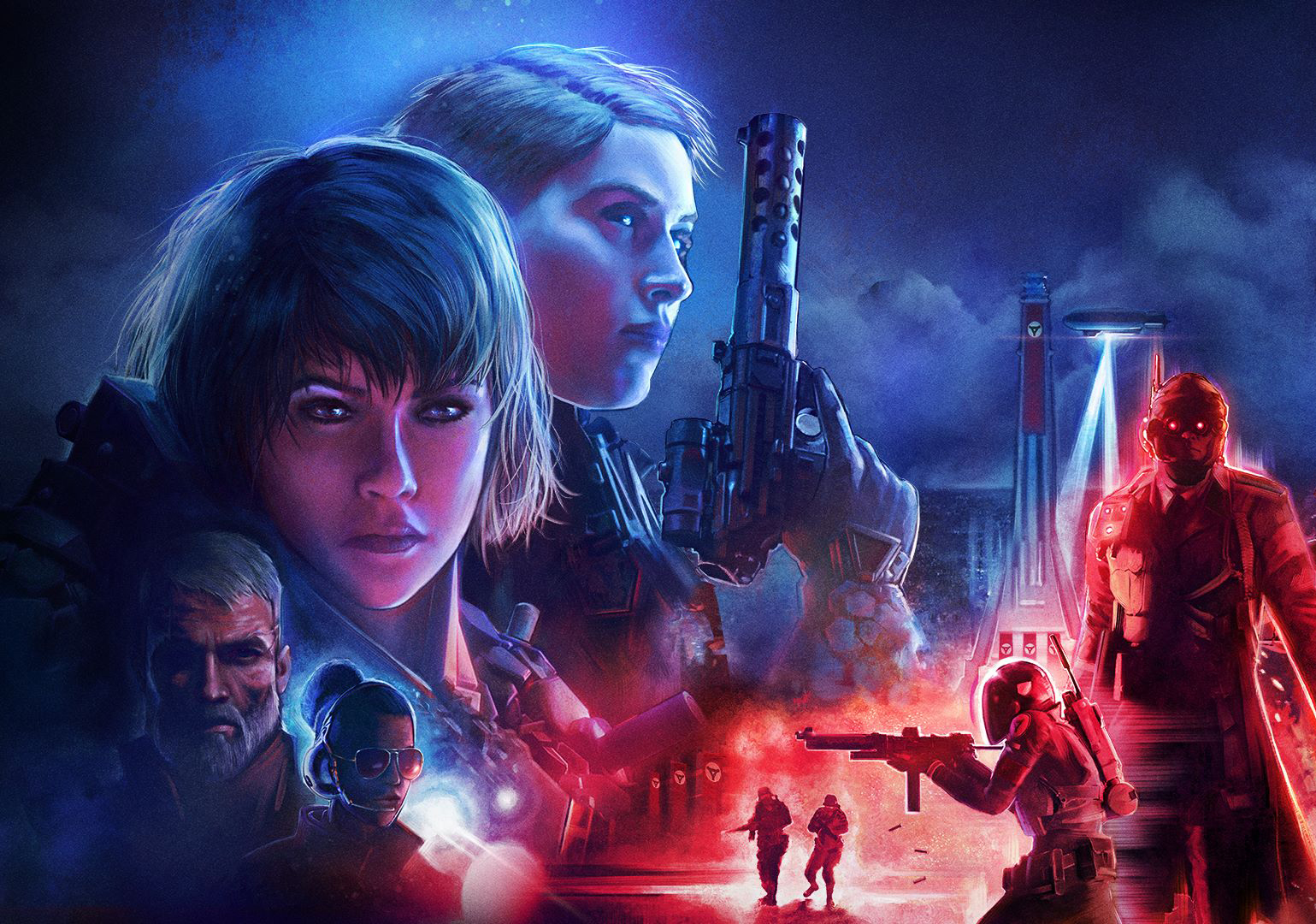
5. Wolfenstein: Youngblood (Set in 1980)
Set in an alternate 1980s Paris, Wolfenstein: Youngblood shifts the narrative focus to B.J. Blazkowicz's twin daughters, Jess and Soph. After B.J. mysteriously goes missing in Nazi-occupied Paris, the twins utilize advanced power suits and tactical weapons to locate their father alongside the French Resistance.
The Classic Timelines Overview
Prior to MachineGames' narrative overhaul, earlier titles followed a looser continuity:
- Original Era: Castle Wolfenstein (1981) and Beyond Castle Wolfenstein (1984) laid the stealth-action groundwork.
- Classic Era: Wolfenstein 3D (1992) and Spear of Destiny (1992) popularized the first-person shooter genre, focusing on WWII escapades.
- RTCW Era: Return to Castle Wolfenstein (2001) and Wolfenstein (2009) introduced heavy sci-fi, occult elements, and the Black Sun dimension. Elements of these titles were subtly adapted into MachineGames' modern lore.
Frequently Asked Questions
Do I need to play the classic games to understand the modern Wolfenstein story?
No. MachineGames designed Wolfenstein: The New Order as a fresh starting point. While it references elements from Return to Castle Wolfenstein and Wolfenstein (2009), knowledge of those games is not required.
What is the best release order for new players?
The best release order starts with Wolfenstein: The New Order, followed by Wolfenstein: The Old Blood, Wolfenstein II: The New Colossus, and finally Wolfenstein: Youngblood.
Final Thoughts
Playing the modern Wolfenstein games in chronological order provides an immersive alternate-history campaign filled with high-stakes resistance battles, deep character development, and memorable action setpieces. Whether starting with Wolfenstein: The Old Blood or jumping directly into Wolfenstein: The New Order, the saga of B.J. Blazkowicz remains one of gaming's greatest narrative achievements.
