


Introduction
In the modern gaming landscape, few developers have captured pure interactive joy quite like Team Asobi. Originally established as an experimental group within Sony Interactive Entertainment's legendary Japan Studio, Team Asobi evolved from a hardware demonstration team into one of the flagship pillars of PlayStation Studios. This is the complete history of how a small Tokyo-based team built PlayStation's newest mascot and revived the classic 3D platformer genre.
The Birth of Team Asobi and Early Innovations (2012–2013)
Team Asobi was founded in Tokyo in 2012 by Nicolas Doucet. The word Asobi translates to "play" in Japanese, reflecting the studio's core philosophy of creating games focused on joy, physical feedback, and hardware innovation.
Initially operating inside SIE Japan Studio, the team was tasked with creating software that showcased new hardware peripherals. Their first major public project was The Playroom (2013), an augmented reality suite pre-installed on every PlayStation 4 console. Designed to demonstrate the capabilities of the PlayStation Camera and DualShock 4 controller, it introduced audiences to tiny AR bots that would later inspire the iconic design of Astro.

Defining VR Platforming (2016–2018)
With the release of the PlayStation VR headset in 2016, Team Asobi launched The Playroom VR, a free suite of virtual reality mini-games. Among these experiments was a short platforming prototype called "Robot Rescue," which immediately caught the attention of both critics and players for its clever perspective tricks and tight movement controls.
Recognizing the potential of the prototype, Team Asobi expanded the concept into a full-length adventure. Released in 2018, Astro Bot: Rescue Mission became a critical landmark for VR gaming. Winning numerous awards, including Best VR/AR Game at The Game Awards 2018, the title proved that 3D platformers could thrive in virtual reality and firmly established Astro as a character to watch.
Launching the PlayStation 5 Era (2020)
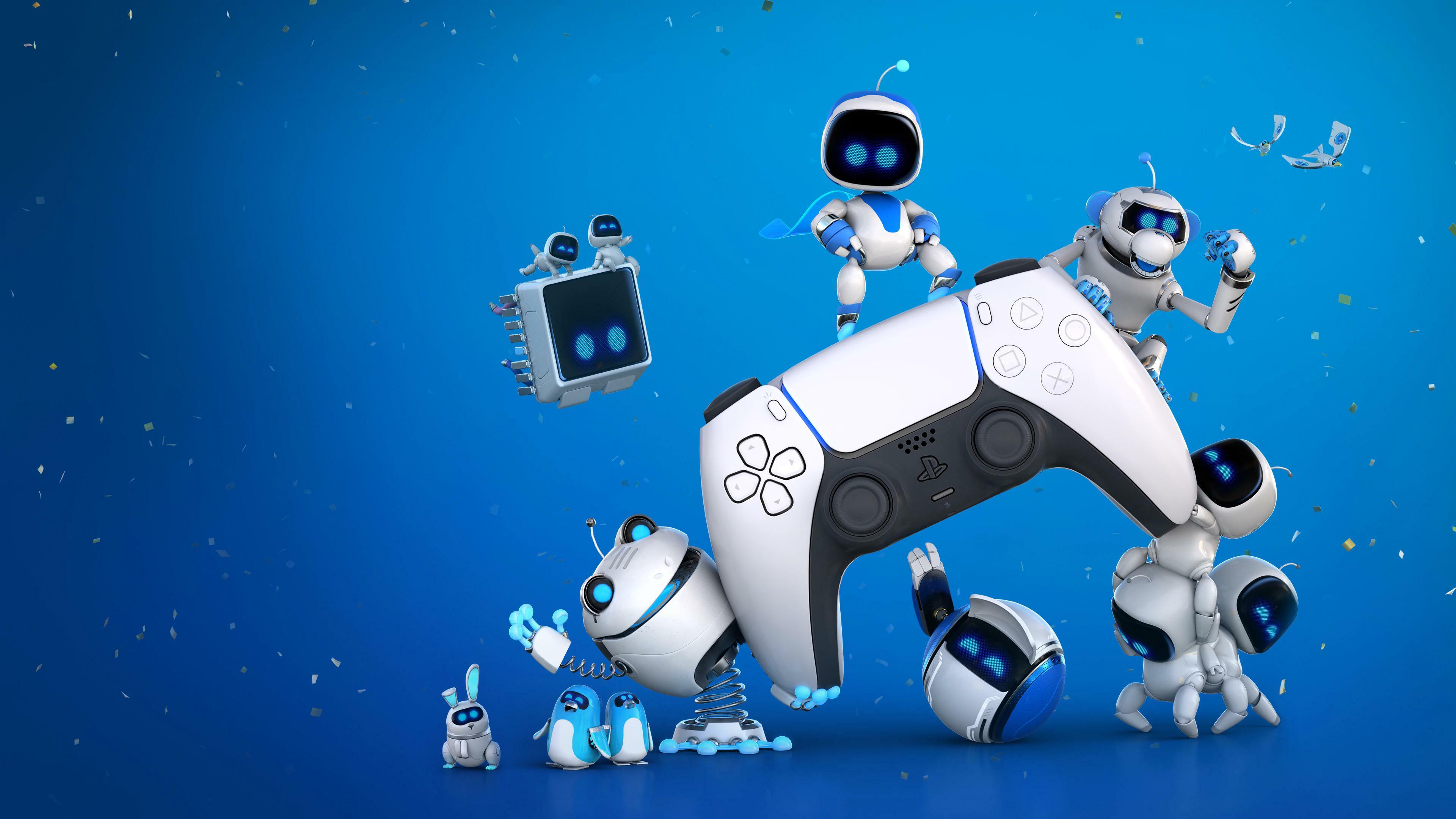
As Sony prepared to launch the PlayStation 5, Team Asobi was entrusted with introducing players to the next generation of console gaming. In November 2020, Astro's Playroom came pre-installed on every PS5 console.
Functioning as both a technical showcase for the DualSense wireless controller's haptic feedback and adaptive triggers and a nostalgic tribute to 25 years of PlayStation history, Astro's Playroom earned universal acclaim. Critics praised its charming level design, inventive mechanics, and infectious sound design.
Becoming an Independent Studio (2021)
In early 2021, Sony reorganized SIE Japan Studio to center entirely around Team Asobi. Following the restructuring, Team Asobi officially became an independent first-party studio within PlayStation Studios, led by Nicolas Doucet as Studio Director. This shift marked a new era for the team, empowering them to focus on larger-scale standalone titles.

Full-Scale Superstardom with Astro Bot (2024)
Building upon years of refined mechanics and positive momentum, Team Asobi released Astro Bot in September 2024 for the PlayStation 5. Unlike its pre-installed predecessor, this was a full-sized, standalone 3D platformer featuring over 50 planets, dynamic power-ups, and hundreds of collectible bot cameos celebrating gaming history.
Astro Bot received widespread critical acclaim, quickly becoming one of the highest-rated titles of 2024 and cementing Team Asobi's reputation alongside the industry's premiere platforming developers.
Frequently Asked Questions
What does "Asobi" mean?
"Asobi" (遊び) is the Japanese word for "play" or "playing," reflecting the studio's philosophy of creating fun, inventive gameplay experiences.
Is Team Asobi part of PlayStation Studios?
Yes, Team Asobi is an internal first-party development studio owned by Sony Interactive Entertainment.
What was Team Asobi's first game?
Team Asobi's first software release was The Playroom on PlayStation 4 in 2013.
Final Thoughts
From developing creative controller demos to building critically acclaimed platformers, Team Asobi has shown remarkable growth over the last decade. By focusing on hardware synergy, creative level design, and genuine fun, Team Asobi has carved out a vital role in PlayStation's ongoing legacy.
