


Introduction: One of PlayStation's Greatest Pillars
Founded in 1999, Santa Monica Studio has grown from a small experimental team in California into one of the most prestigious first-party video game developers in the world. As a key subsidiary of Sony Interactive Entertainment, the developer has played an instrumental role in shaping the identity of the PlayStation brand across four console generations.
While best known as the mastermind behind the critically acclaimed God of War franchise, Santa Monica Studio is also renowned for its incubation program, which helped foster groundbreaking indie hits like Journey and Flower. This is the complete history of Santa Monica Studio, detailing its origins, triumphs, setbacks, and dramatic reinventions.
1999–2004: Founding and the Kinetica Engine
Santa Monica Studio was established in December 1999 by Allan Becker, a long-time Sony employee who wanted to build a development house capable of creating cutting-edge games for the upcoming PlayStation 2. Located in Santa Monica, California, the studio was envisioned as a space where top-tier talent could collaborate and innovate with proprietary technology.

Kinetica (2001)
The studio's debut title was Kinetica, a futuristic racing game released in 2001 for the PlayStation 2. Players controlled racers wearing kinetic suits equipped with wheels on their hands and feet, speeding across gravity-defying tracks. While the game received positive reviews for its high-speed action and visual flare, its most significant achievement was technological.
Santa Monica Studio developed the proprietary Kinetica Game Engine for the project. This powerful game engine laid the technical foundation for the studio's next venture, proving that the team possessed world-class engineering capabilities.
2005–2010: The Birth and Triumph of God of War
Following Kinetica, game director David Jaffe spearheaded a new action-adventure project inspired by Greek mythology and cinematic action cinema. Built using an updated version of the Kinetica engine, the game was designed to blend visceral hack-and-slash combat with massive environmental puzzles.
God of War (2005)
Released in March 2005 on the PlayStation 2, God of War was an immediate critical and commercial sensation. Players were introduced to Kratos, a vengeful Spartan warrior seeking retribution against Ares, the Greek God of War. The game set new standards for fluid combat, quick-time events, camera framing, and spectacle, instantly making Kratos one of PlayStation's flagship mascots.
God of War II (2007)
With David Jaffe stepping into a producer role, Cory Barlog took over as game director for the sequel. Released in March 2007, late in the PlayStation 2's lifecycle, God of War II pushed the hardware to its absolute limits. The game received universal acclaim for its incredible scale, refined combat mechanics, and breathtaking boss encounters, solidifying Santa Monica Studio as an elite developer.
Incubation and Strategic Collaboration
Alongside internal development, Santa Monica Studio established an incubation program designed to mentor independent external developers. Through this initiative, the studio provided funding, technical assistance, and production oversight to promising creative teams.
Key titles co-developed or incubated by Santa Monica Studio include:
- Flower (2009) – Developed with Thatgamecompany, offering a poetic emotional experience on PS3.
- Fat Princess (2009) – Developed with Titan Studios, delivering whimsical multiplayer action.
- Journey (2012) – Developed with Thatgamecompany, winning multiple Game of the Year awards and redefining indie gaming.
- The Order: 1886 (2015) – Co-developed with Ready at Dawn for PlayStation 4.
- Bound (2016) – Created in partnership with Plastic, showcasing experimental artistic gameplay.
2010–2013: The PS3 Era and Internal Restructuring
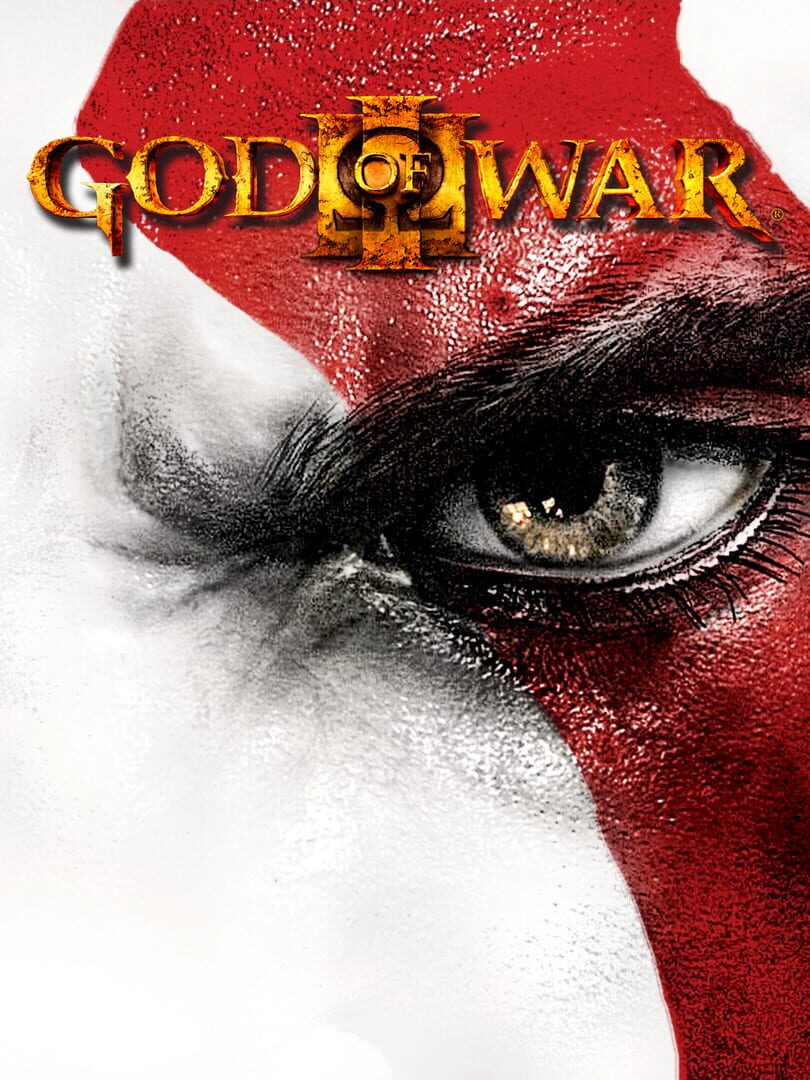
God of War III (2010)
Directed by Stig Asmussen, God of War III debuted on the PlayStation 3 in March 2010. Marking Kratos's grand finale in the Greek realm, the title delivered unparalleled visual fidelity and giant titan-scale boss fights. It sold millions of copies worldwide and capped off the original trilogy in spectacular fashion.
God of War: Ascension (2013) and Cancelled Sci-Fi Project
In 2013, the studio released God of War: Ascension, a prequel introducing online multiplayer to the series. While technically impressive, critics felt the franchise formula was growing tired.
During this period, a second internal team directed by Stig Asmussen was working on an unannounced sci-fi intellectual property codenamed Internal Seven. After years of development, the project was canceled in early 2014, leading to a period of restructuring and layoffs at the studio. Shortly after, Santa Monica Studio relocated to a larger, state-of-the-art facility in Playa Vista, Los Angeles.
2018–Present: The Norse Saga and Modern Stature
Recognizing the need to evolve, Cory Barlog returned to Santa Monica Studio to direct a complete reinvention of the franchise.
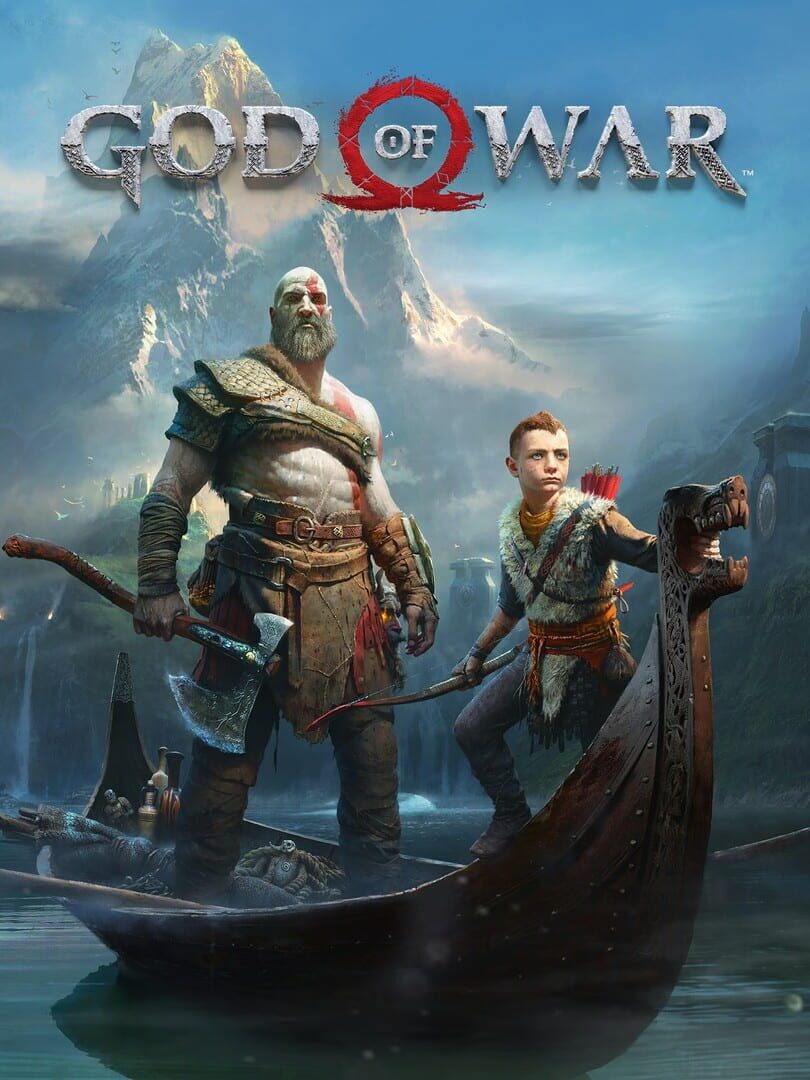
God of War (2018)
Released in April 2018 for the PlayStation 4, God of War shifted the setting to Norse mythology and transformed Kratos into a father protecting his son, Atreus. Switching to an over-the-shoulder perspective with a continuous single-shot camera cut, the game combined deep narrative storytelling with deliberate combat.
The reboot won over 190 Game of the Year awards, including Game of the Year at The Game Awards 2018, selling over 23 million copies and elevating Santa Monica Studio to unprecedented heights.

God of War Ragnarök (2022) & God of War Ragnarök: Valhalla (2023)
Directed by Eric Williams, God of War Ragnarök arrived on PS4 and PS5 in November 2022. It concluded the Norse saga with widespread critical acclaim, setting fastest-selling first-party records for PlayStation. In December 2023, the studio released God of War Ragnarök: Valhalla, a free rogue-lite epilogue DLC that was celebrated by fans and critics alike.
Santa Monica Studio Game Release Timeline
| Year | Game Title | Platforms | Role |
|---|---|---|---|
| 2001 | Kinetica | PS2 | Lead Developer |
| 2005 | God of War | PS2 | Lead Developer |
| 2007 | God of War II | PS2 | Lead Developer |
| 2008 | God of War: Chains of Olympus | PSP | Co-Developer (with Ready at Dawn) |
| 2010 | God of War III | PS3 | Lead Developer |
| 2010 | God of War: Ghost of Sparta | PSP | Co-Developer (with Ready at Dawn) |
| 2012 | Journey | PS3 | Support / Incubation |
| 2013 | God of War: Ascension | PS3 | Lead Developer |
| 2018 | God of War | PS4, PC | Lead Developer |
| 2022 | God of War Ragnarök | PS4, PS5, PC | Lead Developer |
Frequently Asked Questions
Who owns Santa Monica Studio?
Santa Monica Studio is a wholly-owned first-party video game development studio under PlayStation Studios, a division of Sony Interactive Entertainment.
What was Santa Monica Studio's first game?
The studio's first game was Kinetica, a futuristic racing game released for the PlayStation 2 in 2001.
Did Santa Monica Studio create Journey?
No, Journey was developed by Thatgamecompany. However, Santa Monica Studio produced and incubated the game, offering development and financial assistance through Sony's external studio program.
Final Thoughts
From its humble beginnings creating a PS2 racer to establishing one of the most iconic action franchises in history, Santa Monica Studio remains an incredible testament to innovation and storytelling. By balancing blockbuster internal titles like God of War Ragnarök with creative support for external studios, Santa Monica Studio continues to define the high standards of the PlayStation brand.
