


Introduction & Context: A Bold New Era for the Blue Bomber
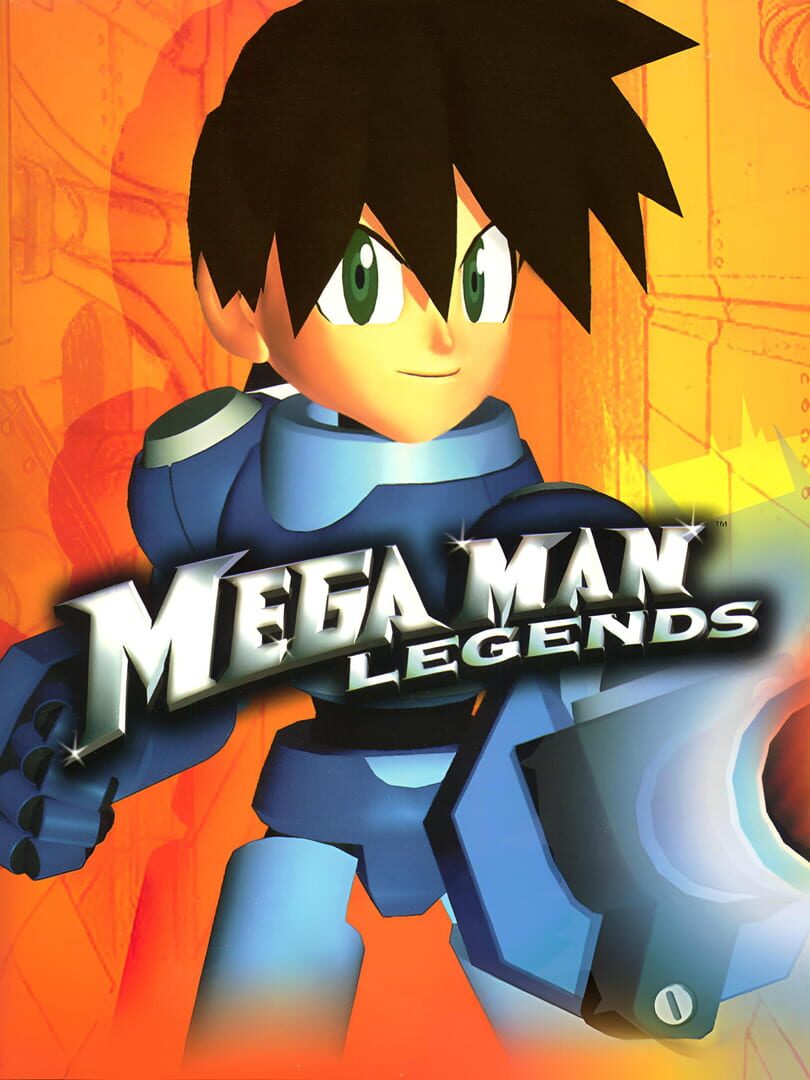
In 1997, Capcom took a massive leap of faith with one of its most cherished franchises. Transitioning from the traditional 2D side-scrolling platforming of the classic and Mega Man X series, Mega Man Legends (known in Japan as Rockman DASH) introduced players to a fully three-dimensional, open-world action-adventure experience. Released during the height of the 32-bit console era, the game radically redefined what a Mega Man title could be.
Developer Background
Developed and published by Capcom, the game was spearheaded by key franchise figures, including producer Keiji Inafune. The vision was to build a rich, story-driven world that appealed to both longtime fans and a new generation of gamers. Capcom's team successfully shifted the core gameplay loop from simple boss-hunting to subterranean exploration, town interaction, and weapon customization.
Story and Narrative: The Mysteries of Kattelox Island
Set in a flooded, aquatic world where humanity relies on ancient quantum refractors for energy, players assume the role of Mega Man Volnutt, a young Digouter who explores subterranean ruins to recover lost technology. Alongside his trusted spotter Roll Caskett and her grandfather Barrel, the team crash-lands on the vibrant Kattelox Island.
"The interplay between Mega Man Volnutt and the eccentric pirate family, the Bonnes, gives the narrative a timeless anime charm."
The narrative balances lighthearted humor with compelling science-fiction mysteries. Mega Man must protect the island's citizens from air pirates known as the Bonne Family—led by Teisel, Tron, and their iconic Servbots—while uncovering the dark truth behind the subterranean Reaverbots and the mythical energy source known as the Mother Lode.
Graphics, Presentation, and Sound
Visually, Mega Man Legends opted for a bright, cell-shaded-inspired aesthetic rather than realistic textures. By utilizing expressive texture-mapped facial animations, Capcom gave the characters a level of emotion that was rare for 1997. Coupled with early voice acting and a memorable, upbeat musical score, the game's presentation retains immense charm even decades later.
Playable Platforms
Over the years, Mega Man Legends has been released across several systems, allowing different generations of players to experience the journey:
| Platform | Release Year | Notes |
|---|---|---|
| PlayStation (PS1) | 1997 | The original release that established the sub-series. |
| Nintendo 64 | 2000 | Ported under the title Mega Man 64. |
| Microsoft Windows | 2001 | PC release featuring enhanced visual resolution options. |
| PlayStation Portable (PSP) | 2005 | Japan-exclusive handheld release. |
| PlayStation Network (PS3 / PS Vita) | 2015 | Digital re-release under the PS One Classics banner. |
Final Recommendation & Verdict
While the original tank-style control scheme can require a learning curve for contemporary players, Mega Man Legends remains a masterclass in creative franchise evolution. Its vibrant world, endearing cast, rewarding dungeon exploration, and deep lore make it an essential play for retro gaming enthusiasts, action-adventure fans, and Capcom historians. It receives a glowing recommendation as one of the standout hidden gems of the 32-bit era.

