


In the video game industry, reinventing a game studio is a rare and perilous endeavor. Few development teams successfully pivot from the genre that defined them to an entirely different style of play, let alone achieve legendary status in both. Amsterdam-based Guerrilla Games stands as one of the most prominent examples of this extraordinary evolution in modern gaming history.
For over a decade, Guerrilla Games was synonymous with PlayStation's premiere sci-fi first-person shooter franchise. Yet, in a bold move that surprised fans and industry analysts alike, the team shifted from dark, industrial corridors to lush, post-post-apocalyptic open worlds filled with majestic mechanical beasts. Here is the remarkable story of how Guerrilla Games reinvented itself from the creators of Killzone into the masterminds behind Horizon Zero Dawn.

The Grit and Precision of the Killzone Era
Guerrilla Games first captured international attention in 2004 with the release of Killzone on the PlayStation 2. Originally framed as PlayStation's answer to major sci-fi FPS franchises, Killzone established a distinct visual identity centered on the brutal conflict between the ISA and the terrifying Helghast military, instantly recognizable by their glowing red goggles.
With the subsequent releases of Killzone 2 and Killzone 3 on the PlayStation 3, Guerrilla earned a reputation as technical marvels. They pushed console hardware to its absolute limits, delivering weighty gunplay, impressive atmospheric lighting, and cutting-edge particle effects that set visual benchmarks for the generation. Later, as a showcase launch title for the PlayStation 4, Guerrilla released Killzone Shadow Fall.
While the franchise achieved significant commercial success, spending more than a decade crafting gritty, linear FPS games created a desire for fresh creative challenges within the studio. Guerrilla needed a bold new vision.
The Pivot: Taking a Massive Risk on Project Horizon
Around 2011, as production on Killzone 3 reached completion, Guerrilla initiated an internal pitch process where team members could submit ideas for the studio's next major project. Out of roughly forty pitches, one specific concept captured the imagination of the leads: a third-person open-world action RPG set in a vibrant future where primitive human tribes coexisted with giant animalistic robots.
The concept was wildly ambitious and presented immense creative and technological risks:
- Engine Overhaul: Guerrilla's engine was specifically engineered for tight, linear first-person shooters, not vast open-world landscapes.
- RPG Systems: The studio had no prior experience developing deep crafting, skill trees, complex dialogue systems, or open-ended quest design.
- New Gameplay Mechanics: Moving from first-person firearms to dynamic third-person archery required completely redesigning camera systems and combat feel.
Despite the steep learning curve, Sony Interactive Entertainment backed the vision, greenlighting what would become Guerrilla's most ambitious title to date.
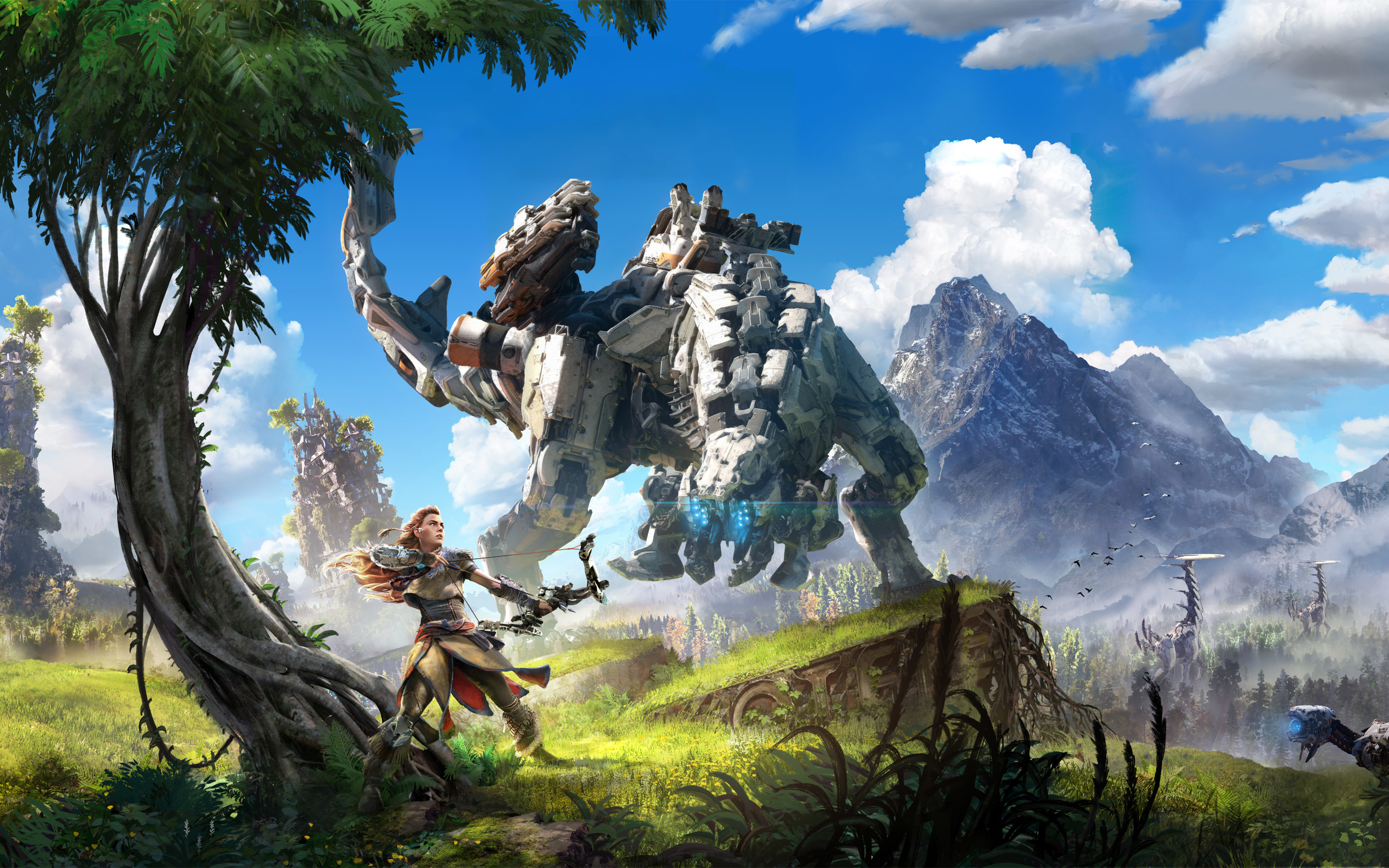
Horizon Zero Dawn – A New Era Begins
Released in 2017, Horizon Zero Dawn proved that Guerrilla's massive gamble paid off in spectacular fashion. Players stepped into the boots of Aloy, a outcast hunter uncovering the mysterious history of a world reclaimed by nature and ruled by synthetic creatures.
The title expertly blended fast-paced tactical combat with a deeply emotional sci-fi story. Visually stunning and gameplay-rich, Horizon Zero Dawn achieved critical acclaim and sold tens of millions of copies worldwide, cementing Aloy as an official flagship character for the PlayStation brand.
The Decima Engine: A Technological Breakthrough
Crucial to Guerrilla’s studio transformation was the evolution of their proprietary technology: the Decima Engine. Redesigned from the foundations of Killzone Shadow Fall, Decima was engineered to render immense open-world distances, dynamic weather, and detailed machine artificial intelligence seamlessly without long loading screens.
The sheer capability of the Decima Engine attracted legendary game developer Hideo Kojima, who selected Guerrilla's engine to power his groundbreaking title Death Stranding. This technical partnership highlighted Guerrilla's standing as top-tier engine architects in the gaming industry.
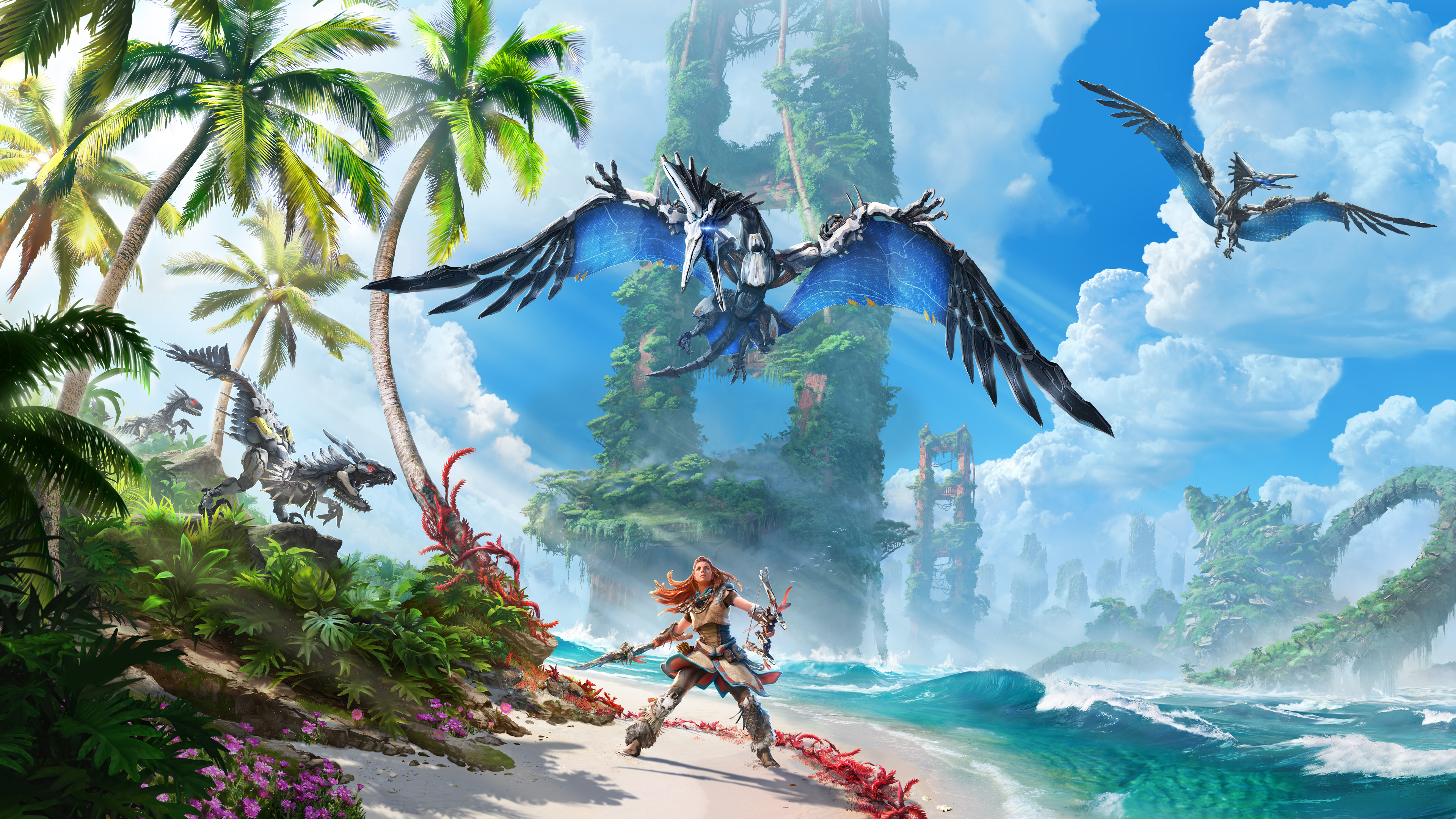
Expanding the Universe: Horizon Forbidden West and Beyond
Guerrilla continued to expand its creative scope with Horizon Forbidden West in 2022. The sequel expanded on every gameplay system, introducing underwater exploration, improved traversal options, and denser, more interactive environments.
The franchise has since grown into a multi-media property. Guerrilla pushed virtual reality boundaries with Horizon Call of the Mountain for PlayStation VR2 and collaborated on family-friendly experiences like Lego Horizon Adventures. These projects demonstrate how versatile the franchise—and the studio—has become.
Frequently Asked Questions
What was Guerrilla Games' first video game?
Before adopting the Guerrilla Games name, the studio operated under Lost Boy Games. Their first release after rebranding to Guerrilla Games was the tactical action game Shellshock: Nam '67, followed shortly by Killzone in 2004.
Will Guerrilla Games ever return to the Killzone franchise?
Guerrilla has largely shifted its studio focus toward expanding the Horizon franchise and exploring new game concepts. While classic IPs are rarely retired forever, the studio currently has no active plans for a new entry in the Killzone series.
What engine does Guerrilla Games use?
Guerrilla Games uses its proprietary in-house Decima Engine. The engine powers games like Horizon Zero Dawn, Horizon Forbidden West, and Kojima Productions' Death Stranding.
Final Thoughts
The reinvention of Guerrilla Games remains one of the most successful strategic shifts in modern game development. By embracing unknown challenges, investing heavily in proprietary engine technology, and daring to step far outside their comfort zone, Guerrilla evolved from a respected shooter team into a premier open-world RPG powerhouse. Their journey serves as compelling proof that calculated creative risk can lead to extraordinary success in the gaming industry.
