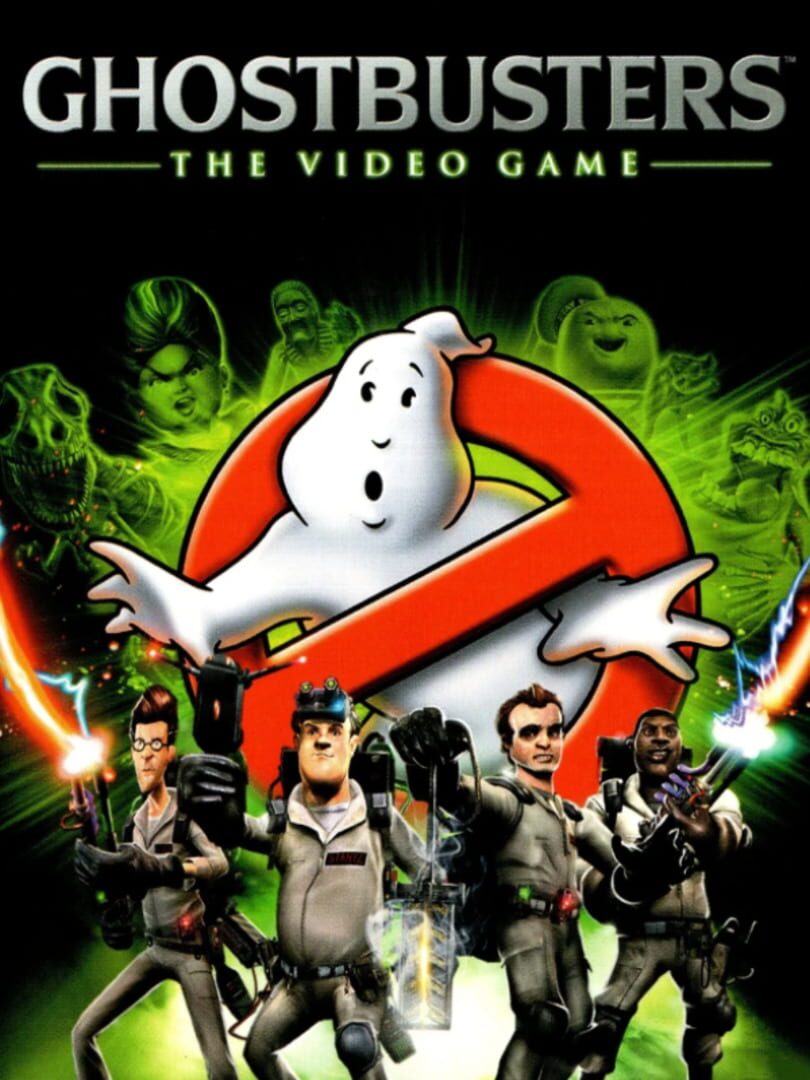
Ghostbusters: The Video Game (2009) Review: The Real Ghostbusters 3 Experience
When Ghostbusters: The Video Game released in 2009, it was immediately embraced by fans not just as another licensed title, but as the long-awaited third chapter in the beloved franchise. Featuring the original cast, authentic humor, and faithful paranormal mechanics, the game delivers an authentic interactive movie experience that still stands up today.
Context and History
For nearly two decades following 1989's Ghostbusters II, fans pleaded for a third film. Production delays, script rewrites, and cast hesitation kept a cinematic sequel in development hell. In 2009, Dan Aykroyd and Harold Ramis solved this dilemma by co-writing the script for a full-scale video game, effectively giving fans the official Ghostbusters III they had been waiting for.
Developer and Platforms
The main versions for realistic next-gen consoles were developed by Terminal Reality using their proprietary Infernal Engine, while a stylized, stylized cartoon-style version was created by Red Fly Studio. The game was originally published by Atari.
Upon its original 2009 launch, the game was playable across a wide variety of platforms:
- PlayStation 3, Xbox 360, and Windows PC (Realistic version)
- Nintendo Wii, PlayStation 2, and PlayStation Portable (Stylized version)
- Nintendo DS (Top-down tactical version)
In 2019, Ghostbusters: The Video Game Remastered was released by Saber Interactive, bringing the realistic campaign to modern platforms including PlayStation 4, Xbox One, Nintendo Switch, and updated PC digital storefronts.
Story and Narrative
Set in Thanksgiving week of 1991—two years after the events of the second movie—the player assumes the role of "The Rookie," an unnamed new hire tasked with testing experimental equipment for the team. You join Peter Venkman (Bill Murray), Ray Stantz (Dan Aykroyd), Egon Spengler (Harold Ramis), and Winston Zeddemore (Ernie Hudson) just as a mysterious pulse of psychokinetic energy hits New York City.
The narrative weaves classic locations like the Sedgewick Hotel and the New York Public Library with new lore that ties back to Gozer, Ivo Shandor, and the origin of the city's ghost infestations. The voice acting from the core cast brings the charm and comedic timing of the original films directly into the gameplay.
Graphics and Visuals
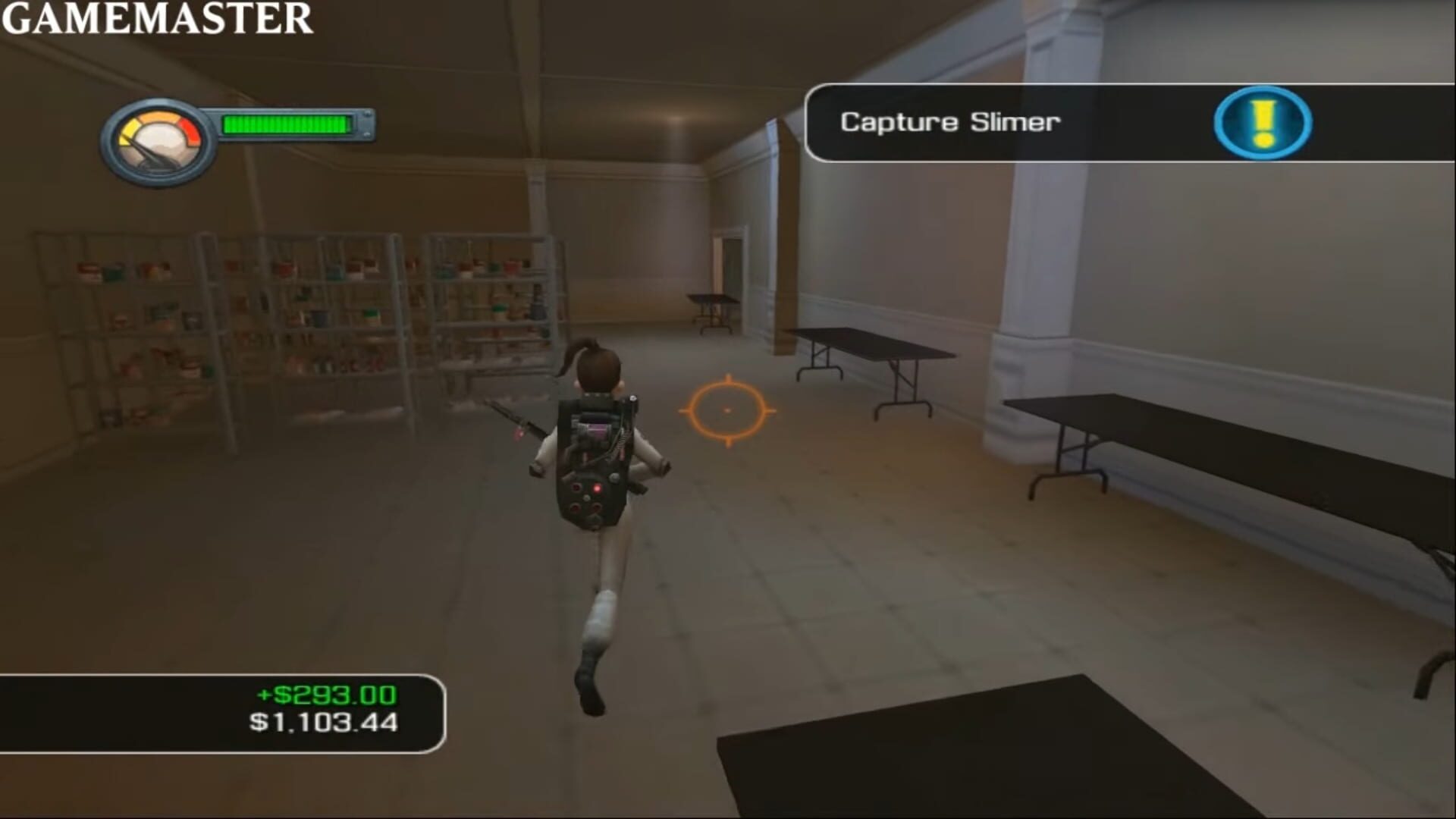
For a title released in 2009, the high-definition versions offered outstanding visual fidelity. The Infernal Engine was specifically engineered to handle intense environmental destruction and realistic particle effects. Firing the iconic Proton Pack leaves glowing burn marks across walls, furniture, and artifacts, giving tangible weight to every battle.
The character models for Murray, Aykroyd, Ramis, and Hudson were rendered with high accuracy, capturing their likenesses and suit details faithfully. While face animations are slightly dated by today's standards, the vibrant lightning effects of the proton streams and the gooey textures of slime remain visually impressive.
Gameplay Mechanics
Gameplay revolves around tracking, wrangling, and trapping entities. Using the PKE Meter, players scan environments to locate clues and paranormal signatures. During combat, players must wear down a ghost's stamina using the Proton Stream, initiate a capture beam, slam the entity into surfaces to weaken it, and maneuver it directly over a deployed ghost trap.
Final Recommendation
Ghostbusters: The Video Game (2009) is a masterclass in how to handle a legacy media franchise. It respects the original material, provides genuine comedic entertainment, and delivers immensely satisfying proton-blasting mechanics.
Verdict: 8.5/10 - An absolute must-play for Ghostbusters enthusiasts and a solid, enjoyable action-adventure game for general gamers. If you are looking to play it today, pick up the 2019 Remastered version on modern consoles or PC for the smoothest performance and refined graphics.